Go to the main content section Anchor point

New Taipei City Travel

Taiwan Indigenous Culture Day Trip

Anchor point
Taiwan Indigenous Culture Day Trip
Category :
Classic
Travel days :
1 day

推薦路線

Day

      Introduction

      Anchor point
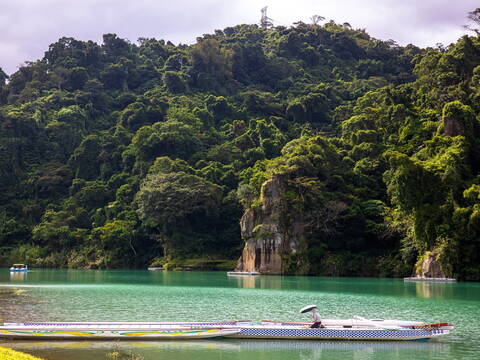
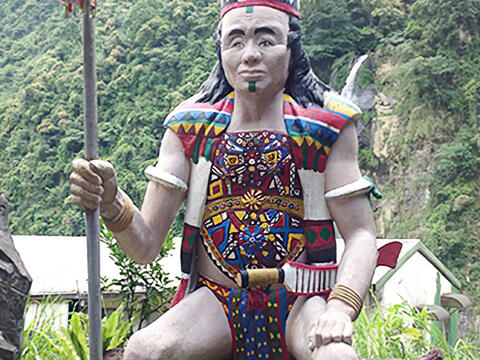
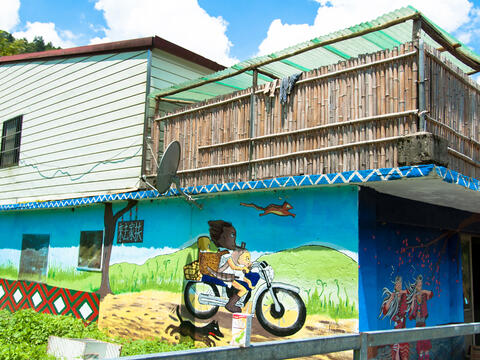
      “Apart from scenery, local culture is the most beautiful part of each travel”. If you are interested in the culture of Taiwan indigenous people and would like to visit charming boutiques, in addition to relaxing hot spring sessions, be sure not to miss “Taiwan Indigenous Culture Day Trip: Relaxing Xindian and Wulai”. This route includes sites such asBitan Scenic Area, Wulai Atayal Museum and Fu-Shan Tribe. Bitan Scenic Area is a popular tourist location that includes beautiful winding rivers, green mountains, clean waters, andlarge cliffs are also frequently visited by visitors. Wulai is one of the few administration districts in northern Taiwan with indigenous culture, famous for hot springs and Taiwan cherry trees. Visitors can explore the history and culture of indigenous people at the Wulai Atayal Museum, and later visit the Fu-Shan Tribe to experience the unique totems and architecture of indigenous tribes.
      Previous
      Rebirth of Elephant Trunk Rock in Shenao
      On one afternoon of December, 2023, Elephant Trunk Rock, a tourist attraction in Shenao, loudly crashed. Numerous tourists who had visited the site expressed their regret for the destruction of the rock, and they even posted photos of them taking with Elephant Trunk Rock on social media platforms. What’s more, some people launched the event of “sticking the trunk back to Elephant Trunk Rock,” which shows how reluctant people were to see the damage of the rock.Elephant Trunk Rock was a sea arch, and it was born after a rock had been eroded by the sea wind and waves for tens of thousands of years. As time goes by, the wonder created by erosion will eventually be taken back by the sea. However, some people with great imagination discover that the original site of Elephant Trunk Rock looks somewhat similar to a capybara, while others think it looks like “Lord Voldemort,” “steamed bun,” and so on. Let’s go to Shenao to see what the broken Elephant Trunk Rock looks like. Let’s hike on the Nanzilin Trail which is located to the east of Keelung Mountain to overlook the coastal cape and bay of the Northeast Coast. Then we will visit the capybara in Shenao, which is located to the west of the mountain, enjoy seafood, and feast our eyes on the grand views of the mountain and sea by riding a rail bike on the Shenao rail bike trail.Nanzilin Trail located to the east of Keelung Mountain is only 990 meters long. It is an easy trail with great views. The head of the trail is paved with wood, and the middle part and tail of the trail are made with stone steps. It is an easy and smooth trail. If you start the hike from the entrance to the trail at the back of Nanya Fishing Port, it takes around 50 minutes to reach the observatory which is approximately 200 meters above sea level. At the observatory, you can admire the curved bay of the Northeast Coast and lush mountains behind it.The landmark of Baxingmang has been set in the center of the observation deck on the top of the mountain, and it radially points at tourist attractions around Nanzilin Mountain. You can see Bitou Cape and Nanya Fishing Village to the east, and Keelung Mountain, the landmark of the Northeast Coast, and Yinyang Sea to the west. The beauty of the mountain and sea is pleasing to see.Moving westward along the Coastal Highway, you will arrive at Shenao Fishing Port which is renowned for its neritic squid within 10 minutes after you pass Keelung Mountain. Located to the east of Shenao Cape, the fishing port is the largest port in Ruifang District, and has the greatest number of fishing boats in Taiwan. Its prosperous fishing industry has nourished quite a few popular seafood restaurants. Savoring fresh seafood in Shenao is definitely the most wonderful pleasure after a hiking trip.After enjoying seafood, you can enter the Elephant Trunk Rock scenic area from the trail next to the third parking lot of Shenao Fishing Port. In the scenic area, you can walk along the beautiful coast of green stone grooves and mushroom rocks toward Elephant Trunk Rock. Looking back, you will see Keelung Mountain with a beautiful curve on the other side of the bay.Look at its small ears and honest-looking appearance! The sea arch which has lost its elephant trunk looks very similar to the cute capybara! Look closely, and you will see that this capybara seems to have its eyes partly closed. Elephant Trunk Rock was located on the tip of Shenao Cape, being surrounded by sea on three sides. Visitors could clearly see Keelung Islet in the distance from Elephant Trunk Rock. The website of New Taipei City Travel indicates that special natural landscapes are not named officially; instead, they are mostly named by the public. As everyone admires a tourist attraction from different perspectives, their imaginations for the broken elephant trunk are respected.After you admire the healing capybara, please do not rush to leave Shenao Fishing Port. The Sea-to-Sky Trail by the southern embankment of the port is a sightseeing trail that you must not miss in Shenao. Strolling on the Sea-to-Sky Trail, you can overlook Jiufen, a mountain town, and pose for photos with the cute sculptures of the neritic squid and squid. In addition, you will be able to see fishing boats coming in and out the port from time to time and enjoy the unique atmosphere of the port. Taiwan used to have an extensive light railway network which went to various towns. The network was mostly used for coal mining, sugar manufacturing, forestry and other industries. Additionally, it was used to transport some workers. However, as time changed, most light railways have been replaced by highway systems. Shenao Railway is one of the few light railways that have been preserved. Since its burden of transporting coal was removed, it has turned into a rail bike trail. You can ride a cute pufferfish-shaped bike on the old railway to enjoy the views of the sea. The Shenao rail bike trail that is adjacent to the coastline has been delicately designed with a bright and colorful light show in the tunnel. Houses nearby have been painted with the theme of the ocean as well. Moreover, you can see the ruins of Jianji Coal Mine, the only seabed coal mine in Taiwan, along the bike trail. The coal mine which was built in the mid-1950s was used to mine coal 500 meters below sea level. It was the motive force to boost the economic take-off of Taiwan as coal mining used to be the most prosperous industry in Shenao. The total length of Shenao rail bike trail is 1.3 kilometers, and it ends at Badouzi Station. The station is the terminal of Shenao Branch Line of Taiwan Railway, and it is also one of the most beautiful coastal stations in Taiwan as it enjoys the fame with Duoliang Station in Taitung. Moreover, Badouzi Station is the only station that strides across two cities in Taiwan. Standing in the center of the platform, you can face the azure ocean while embracing New Taipei City and Keelung at the same time.
      Next
      Tarcking back the refreshing Daluolan River in the Ataya tribe of Wulai
      Wulai stands as the most expansive and highest-altitude region within New Taipei City. It represents the sole mountain indigenous district in New Taipei City, primarily inhabited by the Atayal ethnic group. The name "Wulai" originates from the Atayal word "Ulay", signifying the presence of hot springs. Upon entering the North 107 Rural Highway from Wulai Scenic Bridge, you will encounter the idyllic Tranan Tribe, akin to a hidden paradise. Visitors can leisurely walk along the lifeline of the tribe, the Daluolan (Tranan) River, roll up their pants, and immerse themselves in the refreshing river waters to escape the summer heat.Located about a half-hour drive from Wulai Old Street, Tranan Tribe is the first settlement of the Atayal people migrating from Balong in Taoyuan to Wulai in New Taipei City. Situated within the Nanshi River Watershed Protection Area, this small yet beautiful tribe has deliberately avoided excessive development, allowing inhabitants of this region to preserve the most traditional Atayal lifestyle in Wulai. Within the tribe, one can observe characteristic wall paintings and sculptures portraying themes centered around Atayal culture and beliefs.The Daluolan River, known as the mother river of the Tranan Tribe, derives its name from the Atayal word “Tranan” and serves as one of the tributaries of the Nanshi River. A century ago, Atayal people from Balong crossed over the mountain range in search of hunting grounds. They discovered this area, abundant in water sources and fertile soil, and gradually relocated here. During the Japanese domination period, the authorities at the time constructed irrigation canals to channel the waters of the Daluolan River to the tribe for farming purposes. The valley of the Daluolan River is lush and verdant, with the river channel varying between narrow passages and wide expanses. With groups of Taiwan shovel-jaw carps (Onychostoma barbatulum) swimming in crystal-clear waters, it has an astonishingly picturesque scenery.Both banks of the Daluolan River are equipped with scenic trails. The northern bank features an ancient canal trail, while the southern bank hosts the recently established Xilong Trail. The ancient canal trail, also known as the "Fushan Maan Ancient Canal Trail", no longer serves its original irrigation function but continues to flow endlessly. Surrounded by the shade of lush trees, the trail is adorned with towering old trees on both sides and various ferns thriving along the way. The trail is also furnished with rest areas and the Butterfly Garden, offering visitors a beautiful view of butterflies fluttering during the summer.The Tranan Scenic Bridge stands out as the newest attraction in the tribe, connecting the Ancient Canal Trail and Xilong Trail to form a circular route. This steel-structured arched bridge gracefully spans over the Daluolan River. As visitors traverse its path, they're greeted by breathtaking views of the valley and distant mountain peaks. The harmonious fusion of the river and lush forests crafts an invigorating visual spectacle. Returning to the tribe via the Xilong Trail, travelers encounter two intersecting paths that lead to the Daluolan River. Here, guests have the chance to kick off their shoes, roll up their pants, and immerse themselves in the refreshing waters, offering sweet respite from the summer's warmth.While returning to Wulai Old Street via the North 107 Rural Highway, take a moment to gaze toward the right bank where the cable car station of Yun Hsien Resort lies. Here, you can relish the captivating view of the majestic Flying Fountain gracefully descending from the mountaintop. Also known as Yunxian Waterfall, the impressive 80-meter-high cascade stands as the largest waterfall in Northern Taiwan. Since the Japanese colonial period, it has been revered as 'the waterfall from the clouds,' remaining one of the most renowned landscapes in Wulai.After crossing the Wulai Tourist Bridge, turn right to enter the most bustling area of Wulai – Wulai Old Street. Indulging in aromatic indigenous cuisine is a delightful reward after hiking. All the shops along Wulai Old Street have similar signboards. Here, you can discover various indigenous cuisines and local specialties. For instance, rice dumplings, bamboo tube rice, makauy (Litsea cubeba) dishes, bird's-nest fern, shallot, BBQ wild boar meat, hot spring eggs, millet mochi, and more. Let’s relish these local delicacies and satisfy your taste buds!
      Read more
      Back to the top of page
      小客帶路