Taiwan Tourist Shuttle - Muzha-Pingxi Line

Anchor point
Category :
Hiking Trails & Senior citizen & Outdoor excursion & Nostalgic tour of the old street & Secret attractions & Free Yourself in Shenkeng-Shiding-Pingxi
Travel days :
1 day
適合對象 :
Public & Backpackers

推薦路線

Day
    第一天

      Introduction

      Anchor point

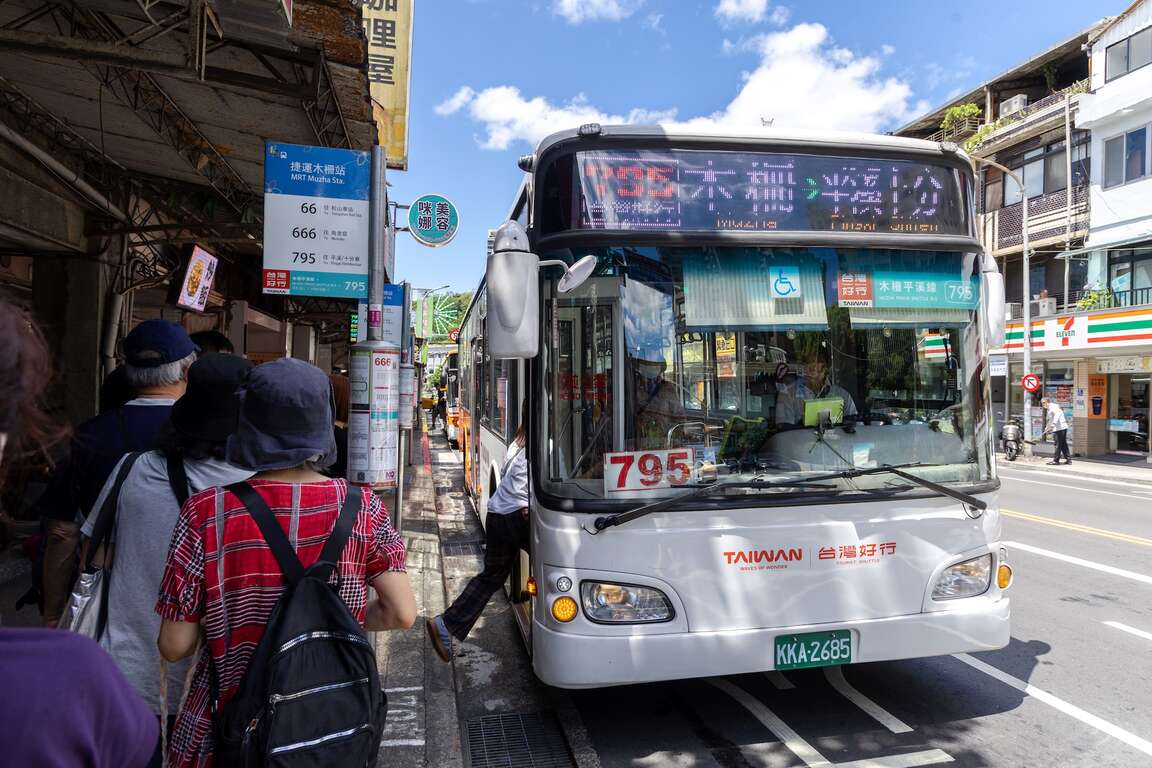
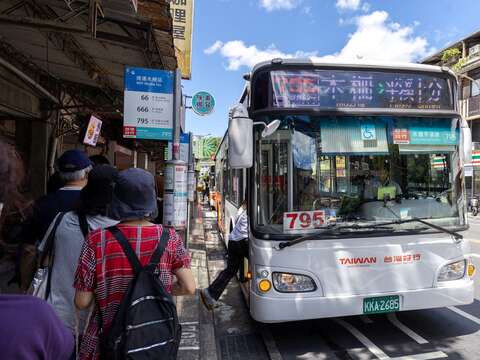
      Want to release a sky lantern in Pingxi District but think taking Taiwan Railways to Ruifang Station and transferring to the Pingxi Branch Line takes too long? The Taiwan Tourist Shuttle - Muzha-Pingxi Line offers another way to get there. Route 795 departs from MRT Taipei Zoo Station, passes MRT Muzha Station, and follows City Route 106 to Shenkeng, Shiding District, and Pingxi District, connecting with the Taiwan Railways Pingxi Branch Line for a different way to explore the region.
      Starting from MRT Taipei Zoo Station or MRT Muzha Station, visit Shiding Religious Cultural Park to pray for good fortune, then explore hidden gems in Pingxi District, including Lingjiao and Wanggu. Transfer to the Pingxi Branch Line to reach Shifen Old Street, release a sky lantern, and sample local snacks. In the evening, hop back on the Taiwan Tourist Shuttle to Shenkeng Old Street for a table full of fragrant tofu dishes.
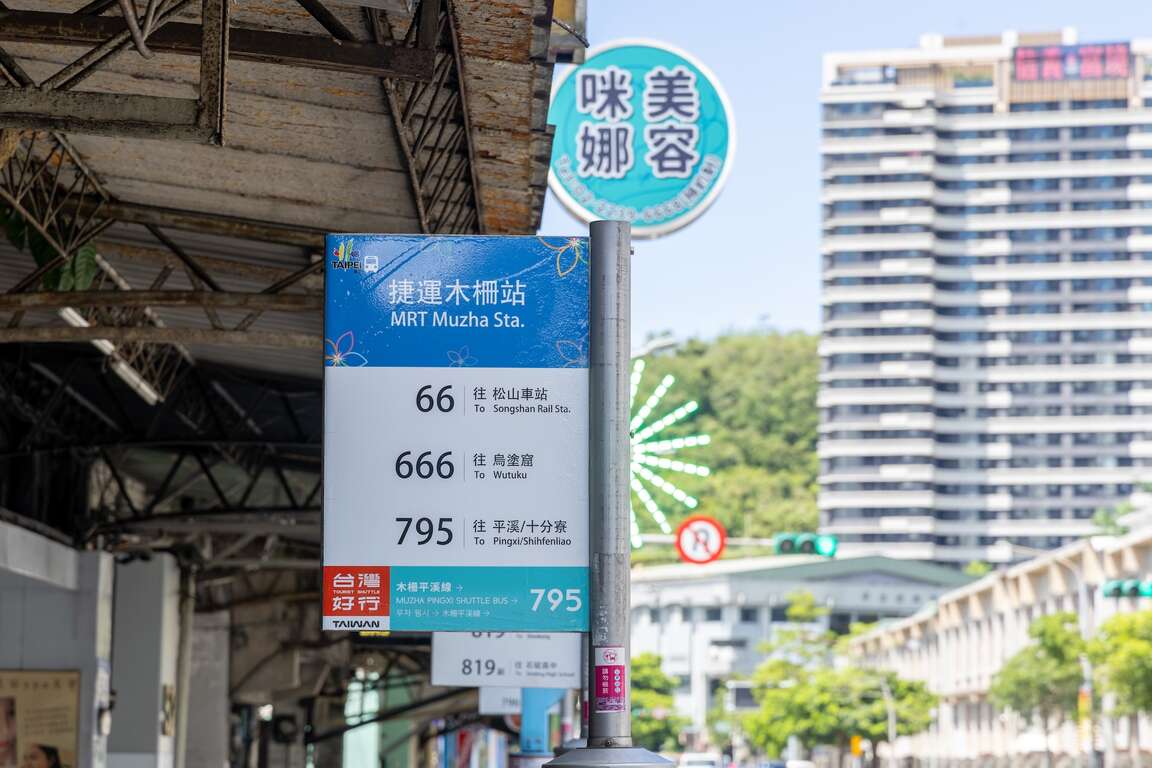
      台灣好行木柵站


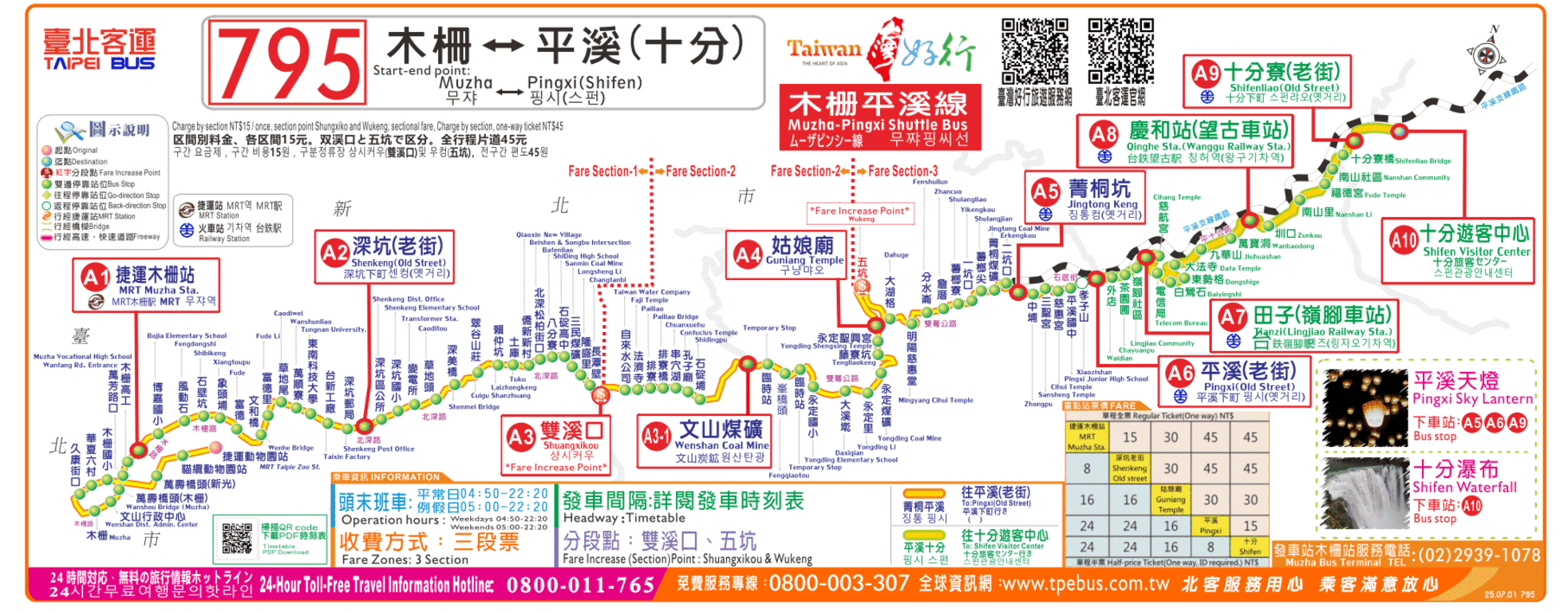
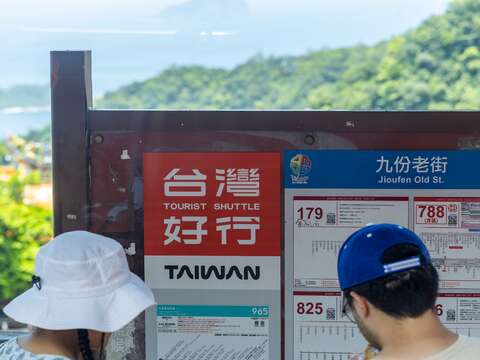
      Depending on the departure, the Taiwan Tourist Shuttle - Muzha-Pingxi Line terminates at either Pingxi Old Street or Shifen Visitor Center, with buses running about once an hour. The full route from Taipei Zoo to Shifen Visitor Center spans three fare sections, with a one-way fare of NT$ 45. Payment is accepted via EasyCard, iPASS, icash, Taipei Fun Pass, and LINE Pay, and the route is also covered by the TR PASS Megacity Pass.
      🚌Taiwan Tourist Shuttle Route 795 - Muzha-Pingxi Line Timetable
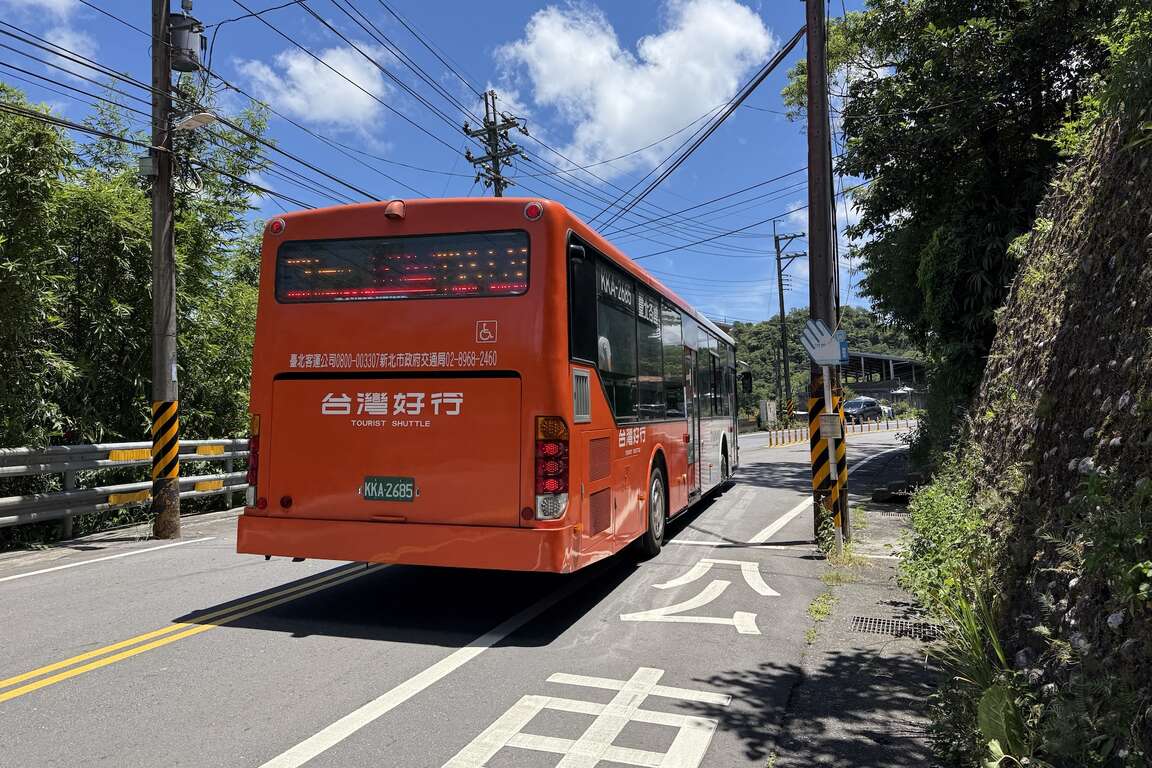
      台灣好行行駛於106市道
      台灣好行795路線

      (Image source: Taiwan Tourist Shuttle official website)


      Board the Taiwan Tourist Shuttle - Muzha-Pingxi Line from MRT Taipei Zoo Station or MRT Muzha Station and get off at A4 Guniang Temple Station to explore the religious culture of Yongding Village in Shiding District. Guniang Temple, Shengxing Temple, Yuanbaoshan Xianshi Temple, Wulu Caishen Temple, and Mingyang Cihui Temple stand here, forming a distinctive community of faith. The District Office linked these temples to create Shiding Religious Culture Park, which includes the Fish and Bird Watching Trail, Guniang Bridge Landscape Corridor, and Waterfront Plaza, where visitors can pray for blessings and take in views of the Shiding mountains.
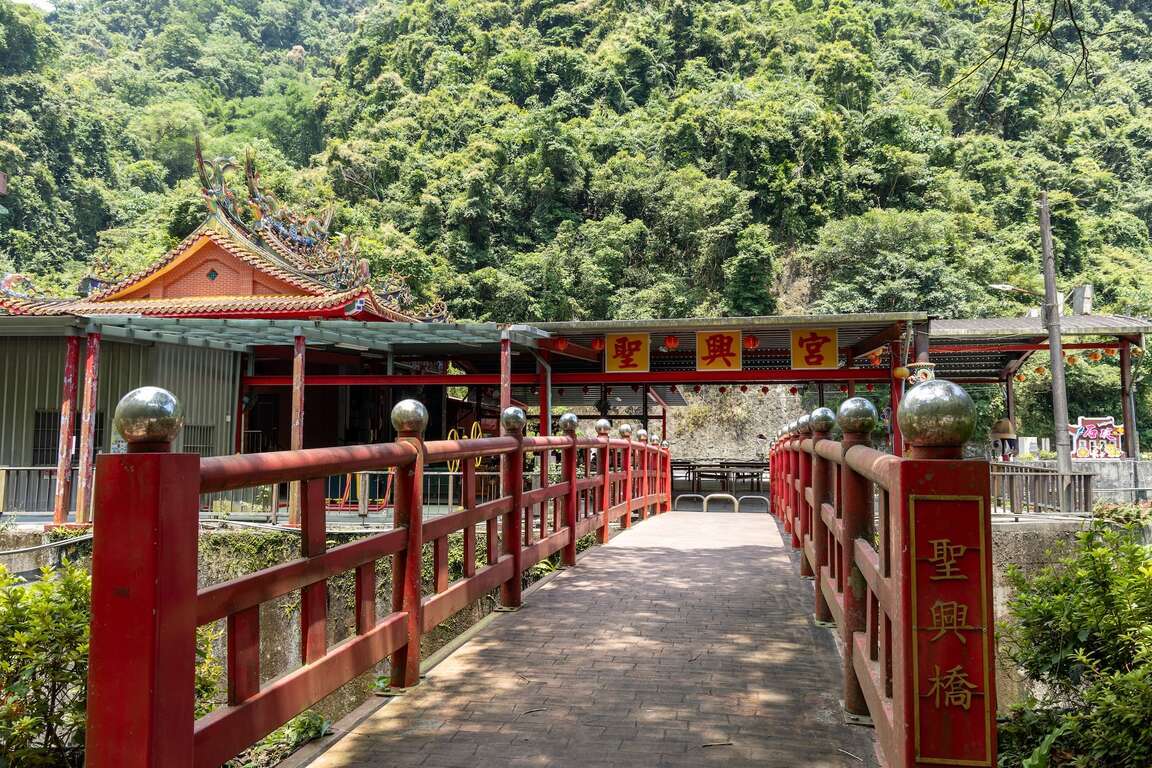
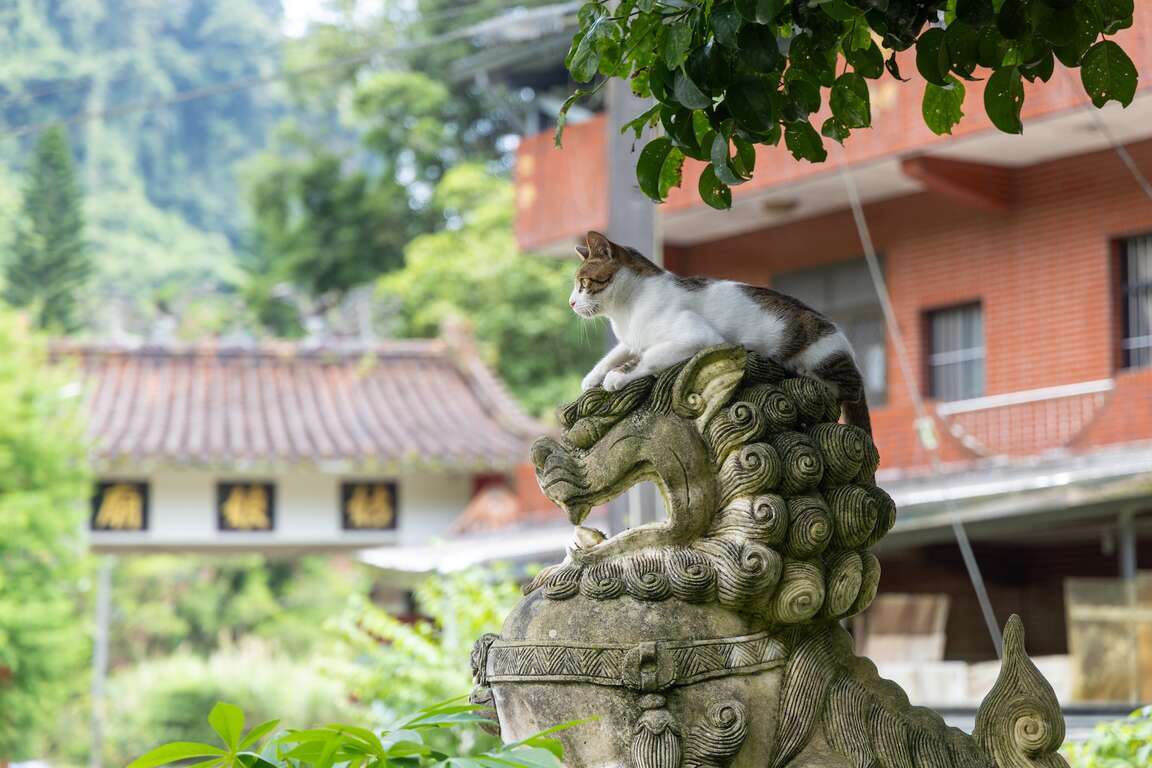
      聖興宮

      姑娘廟前的石獅與貓咪

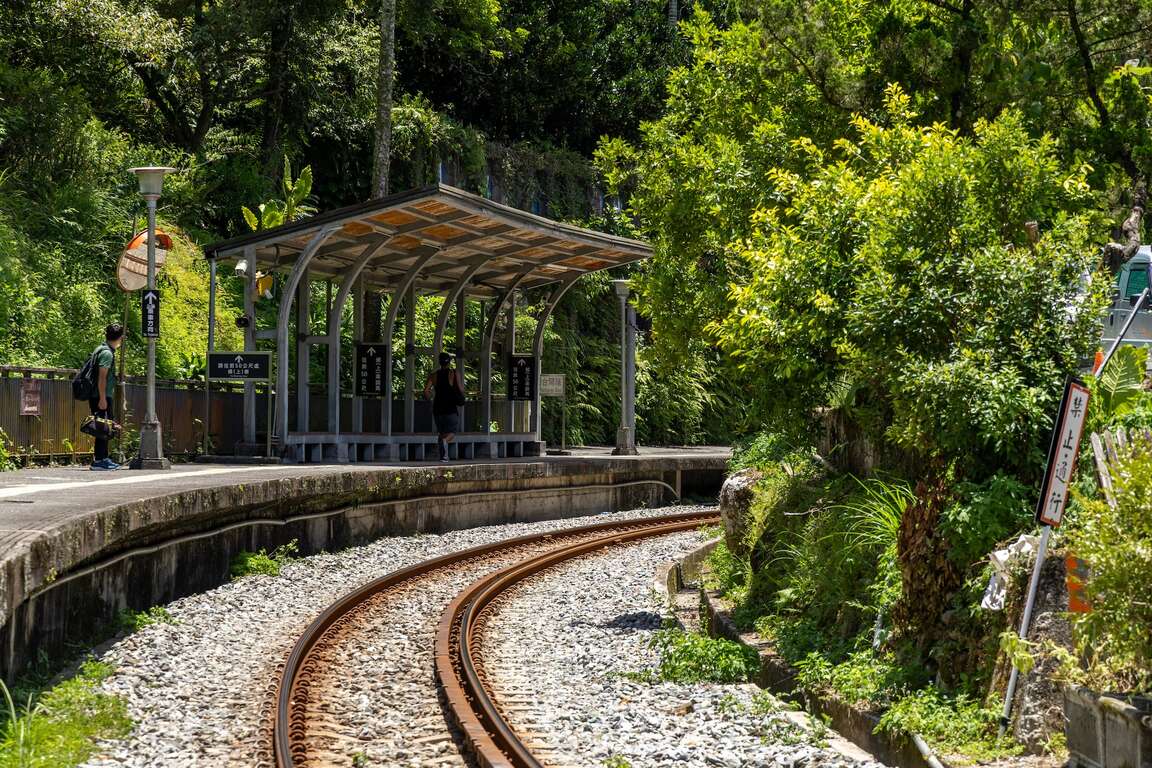
      After paying respects, hop on the Taiwan Tourist Shuttle to A7 Tianzi (Lingjiao Railway Station). Located on the southern side of Mt. Jiangziliao at an elevation of more than 700 meters, the area is named Lingjiao. This hidden gem on the Taiwan Railways Pingxi Branch Line sees trains wind through the mountains along curving tracks, with green hills, streams, and railway tracks complementing one another. Stroll along the riverbank for a closer look at the potholes along the Keelung River.
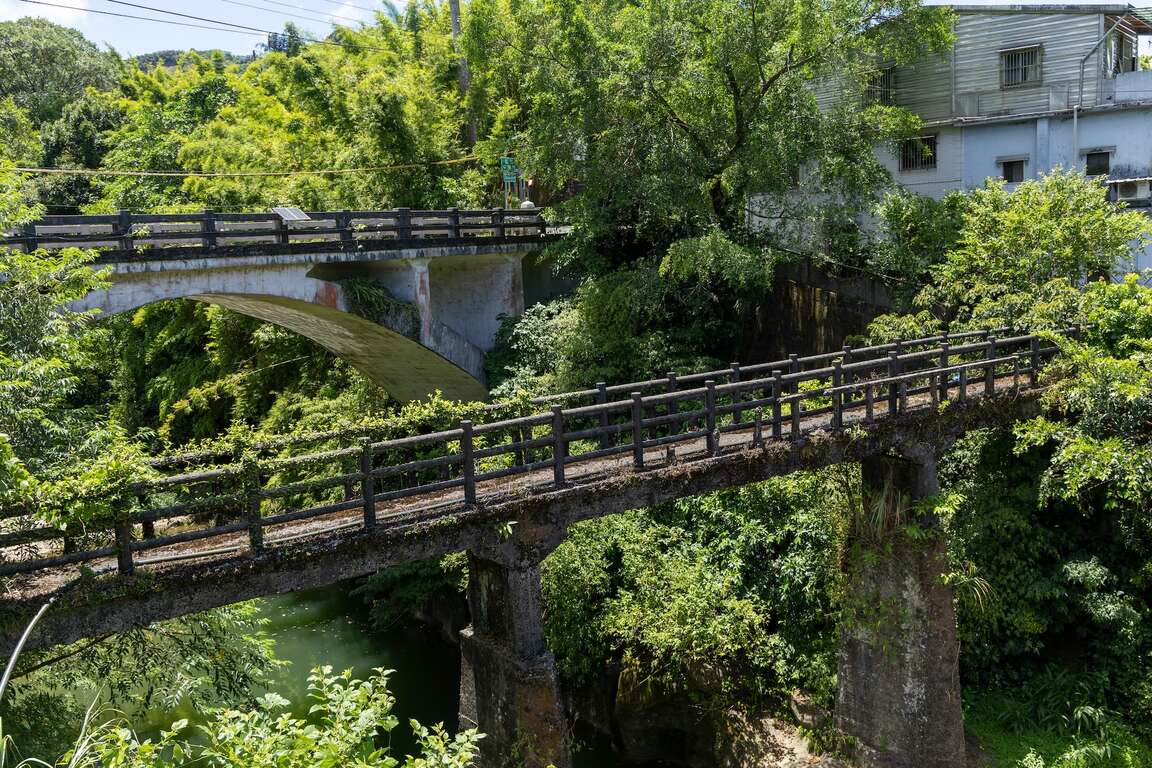
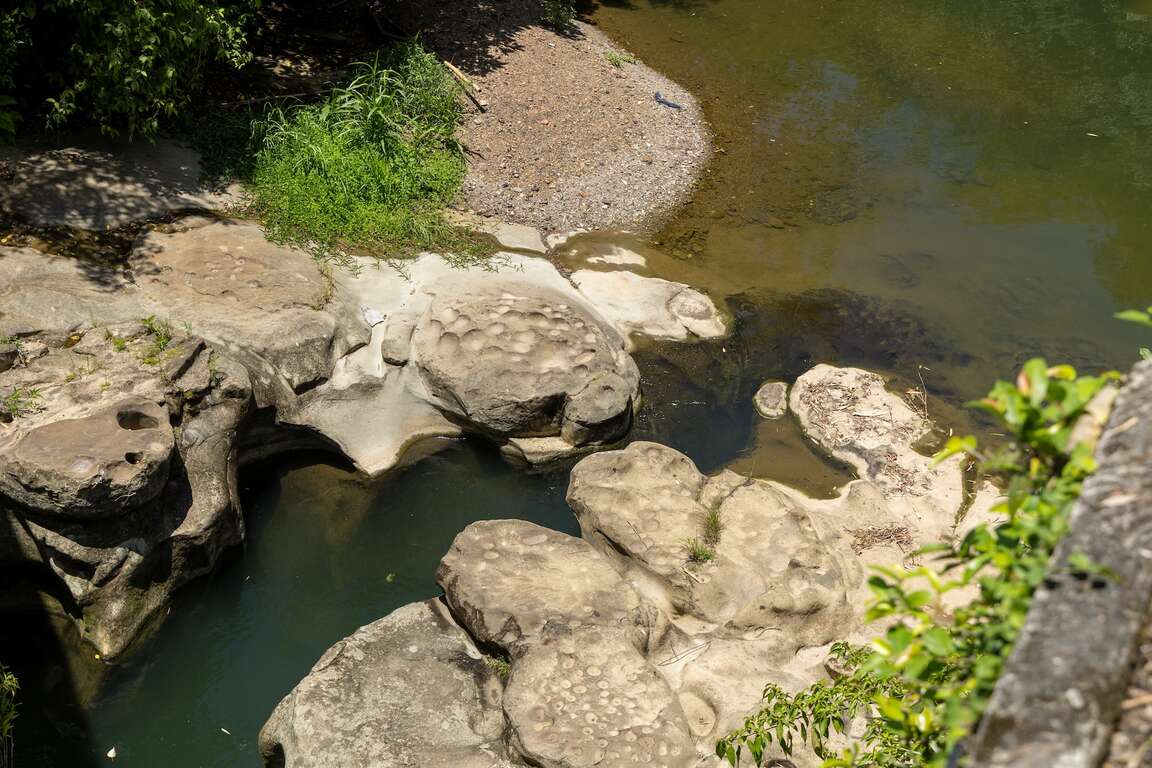
      嶺腳站
      基隆河壺穴地形
      嶺腳站月臺

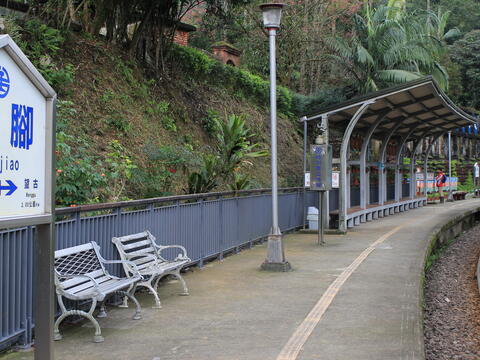
      Take a local train to the next stop, Wanggu. During the heyday of coal mining, this area saw frequent mine accidents and was once nicknamed the Doomed Mine; the name was later changed to the more auspicious Wanggukeng. The station was originally built to serve the transport needs of the Qinghe Coal Mine, and as the mining industry declined, the bustle of miners and the once-lively station quietly faded away. Today, the station lies hidden amid lush mountain forests, while the towering Qinghe Coal Transport Suspension Bridge stands as a precious landmark bearing witness to its mining-era past.
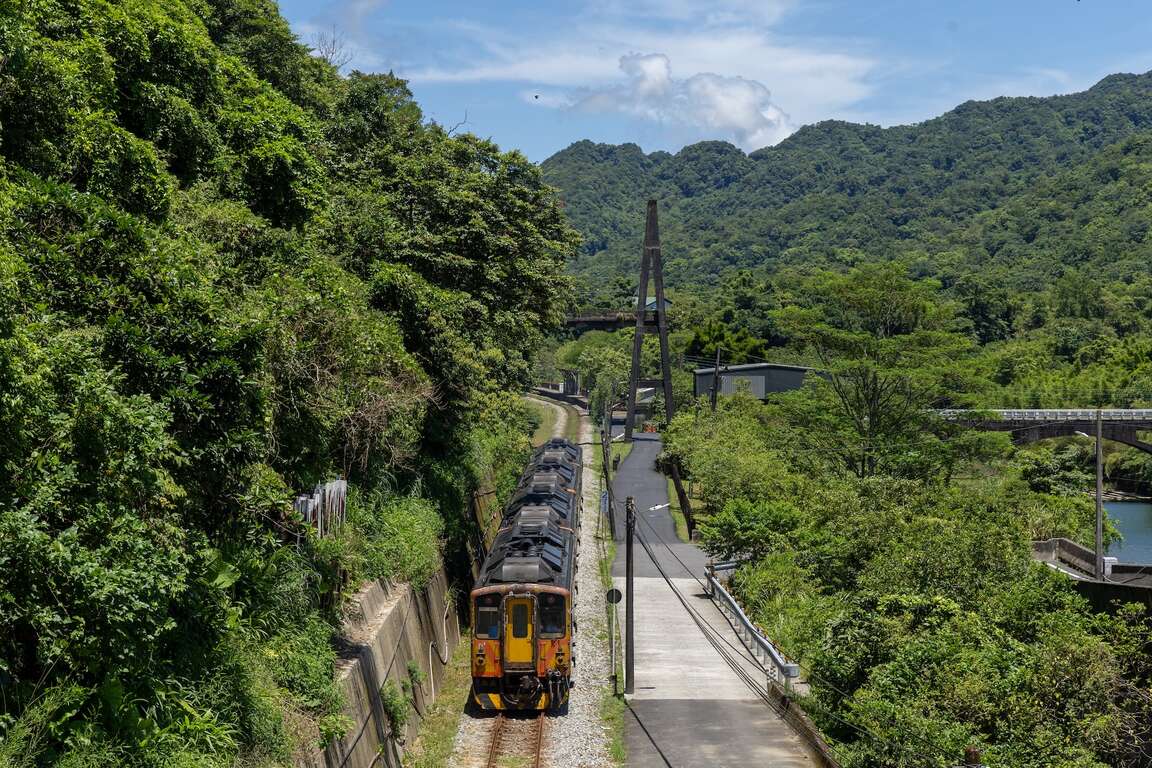
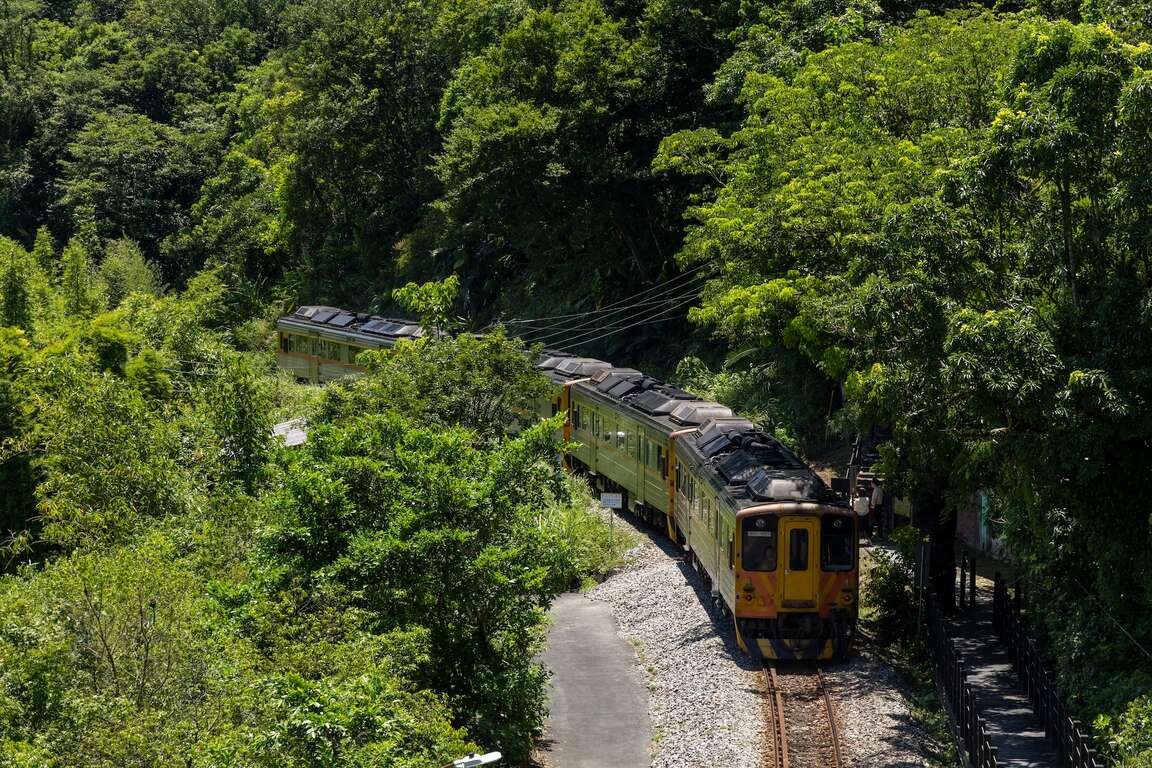
      望古車站
      平溪線列車穿梭於望古與嶺腳之間

      Wanggu Station is also home to a hidden gem, Wanggu Waterfall. From Wanggu Station, follow the service road beside the railway, then continue along the boardwalk and hillside trail for about 15 minutes to arrive. Take in the rich ecology along the way and the curtain-like waterfall, where the clear pool reflects lush green mountains and the sound of flowing water drowns out the noise of the outside world.
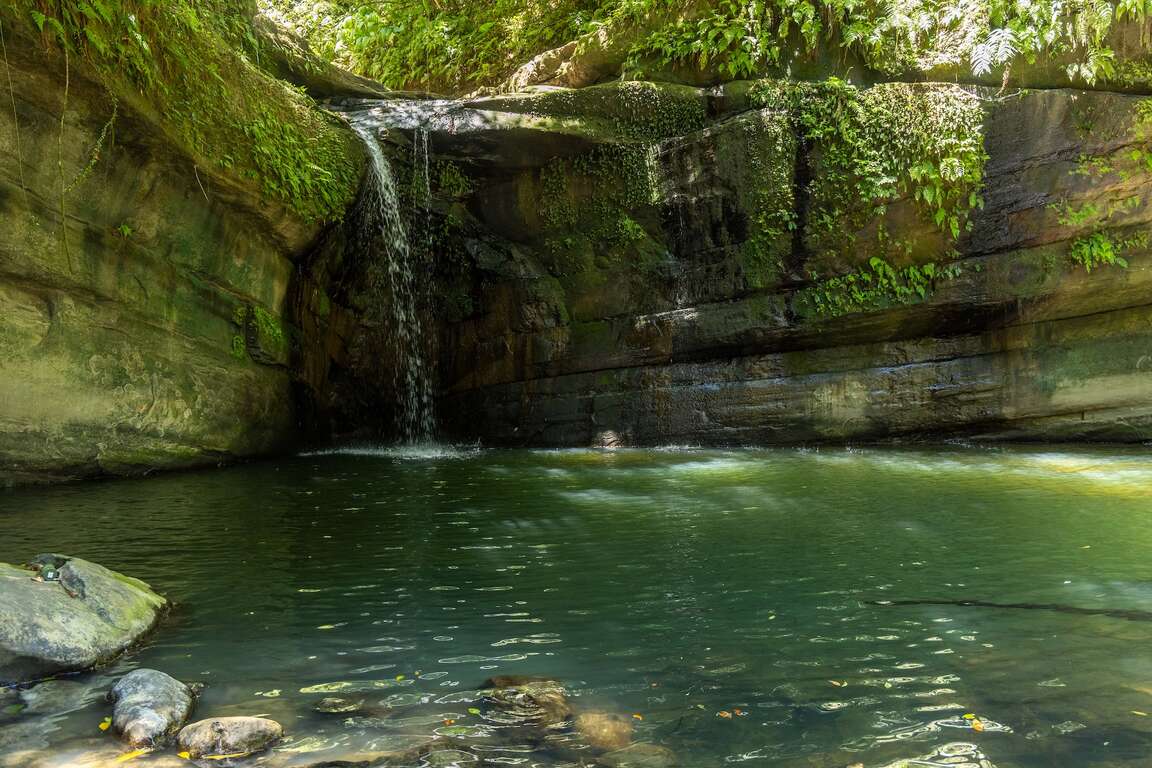
      望古瀑布

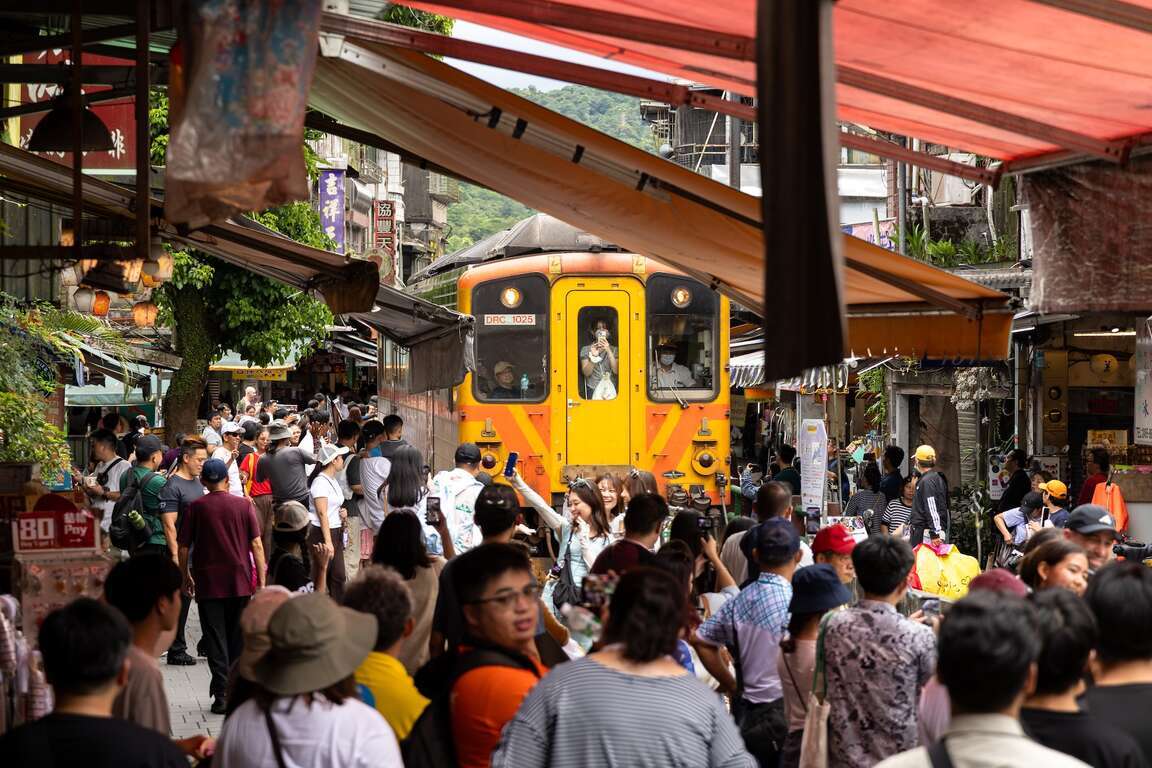
      Shifen Old Street is the liveliest settlement in Pingxi District, best known for the Pingxi Branch Line railway running through the middle of the street and creating the iconic sight of trains passing by front doors. The old street is lined with local snacks, sky lantern crafts, and specialty souvenirs. Write down a wish, release a sky lantern, and watch it drift slowly into the sky for a romance found only in Pingxi District.
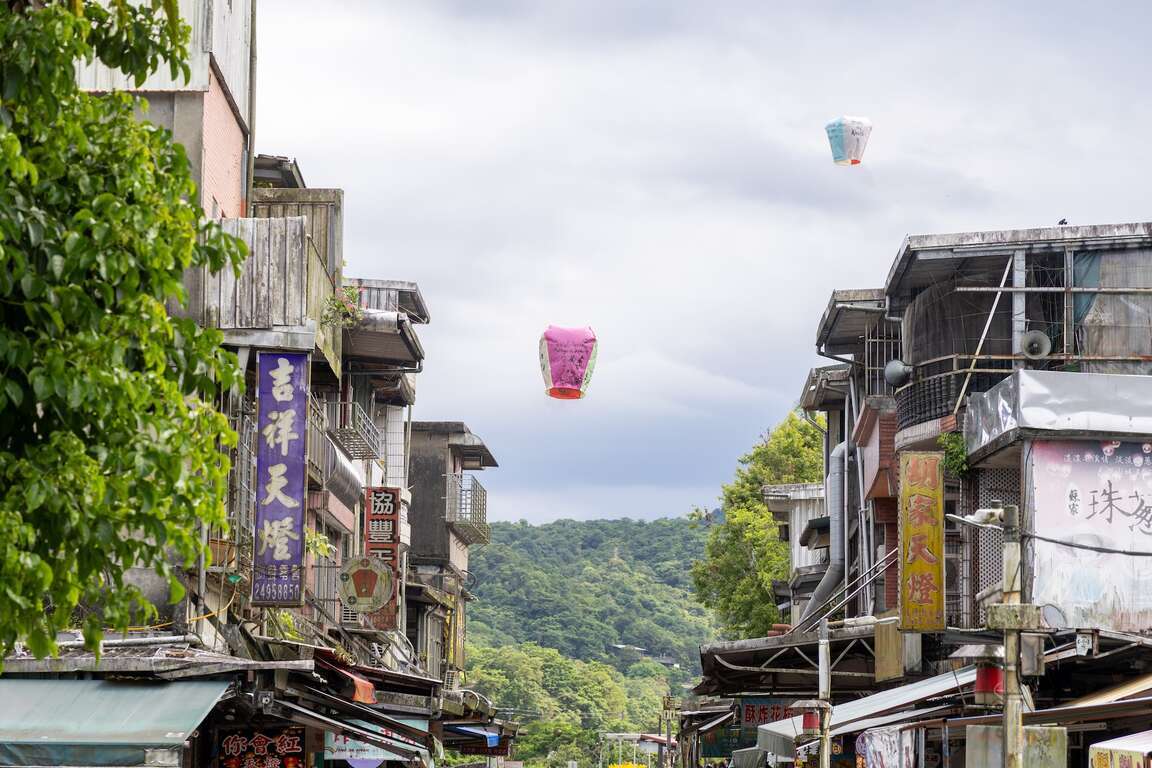
      十分老街與天燈
      平溪線列車通過十分老街

      The final stop is A2 Shenkeng (Old Street) Station. Shenkeng was once a key commercial hub along the Danlan Historic Trails and is now widely known as the hometown of tofu for its variety of tofu dishes. Its clear water and distinctive brine-curdling technique give Shenkeng tofu a flavor all its own. Together with tea leaves, bamboo shoots, and black pork, tofu forms what locals call the Shenkeng Four Treasures, showcasing the area's abundant produce and food culture. After feasting on tofu dishes, hop on the Taiwan Tourist Shuttle back to Muzha and transfer to the MRT for the journey home.
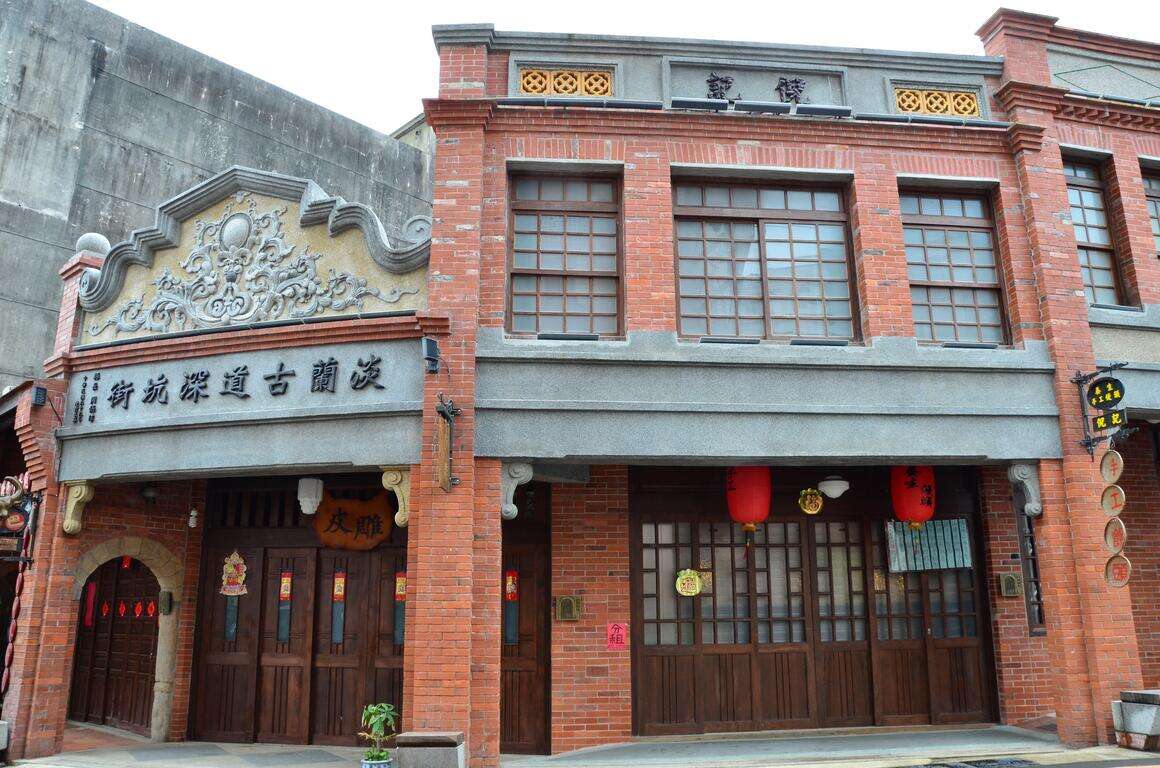
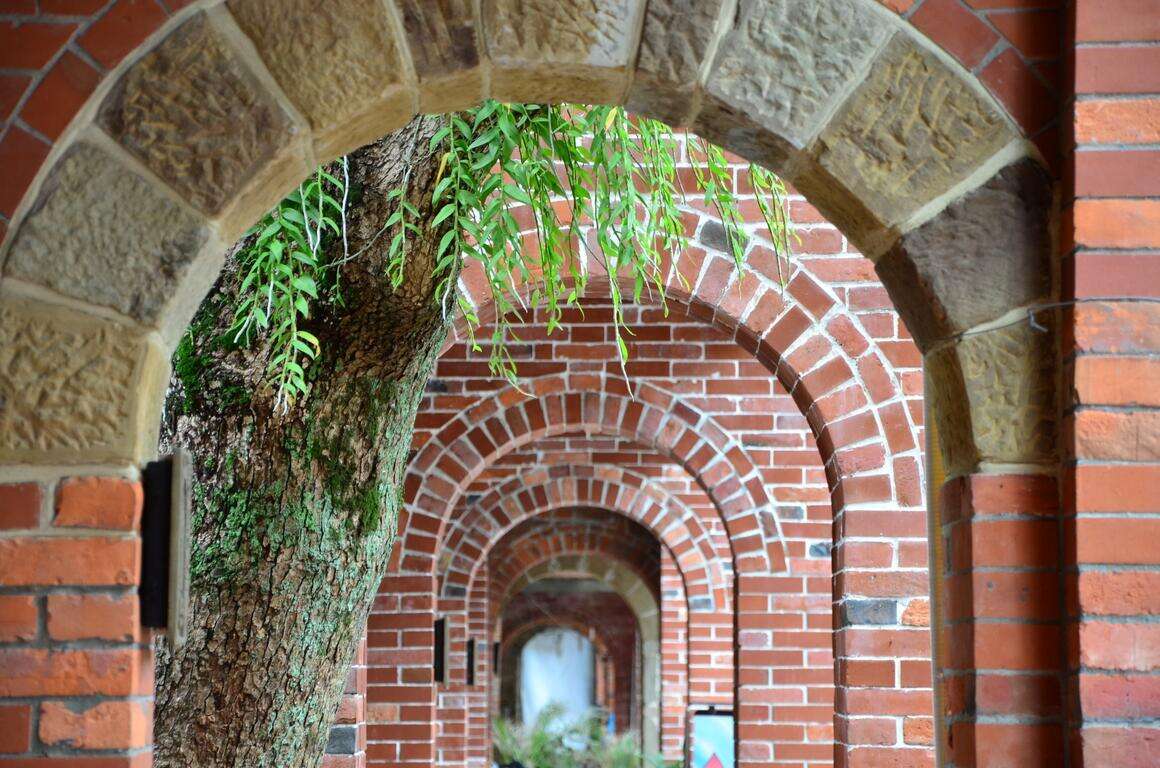
      深坑老街入口
      深坑老街
      day01
        Previous
        During the summer lotus season in Shuangxi, you can enjoy flowers, play with water, and walk along the old streets.
        On a summer morning, before the sun shines, go to the Shuangxi Lotus Garden to enjoy the flowers. The peach-pink lotus flowers peek out from the dense lotus leaves. Brush shoulders with children playing on the ridges beside the pond. One is looking for the best spot to enjoy the flowers, while another is looking for the crystal water drops sliding down the edges of the leaves, so the kid scoops up handfuls of water repeatedly from the pond and splashes it on the lotus fields, washing away the summer heat at the same time. After capturing all the ideal angles in the camera, there is also the farmer's market at the entrance of the garden and the handmade DIY series of lotus seasons, which are bustling with people and very lively.Then, go to the Ruanqiaoduan Water Park to play in the water and take a walk. When hungry, have a good meal at the nearby Shuangxi Old Street and stroll through the old town to feel the tranquility of the years. After a full stomach, look at the Chinese architectural aesthetics of the Lian Juren Historic House and the Zhuang Gong-Sheng Ancient House. The simple and charming inscriptions and carvings give a glimpse of the time's cultural status and social expectations.▲ About 30% of the flowers bloom in mid-June, and many lotus flowers are still in the bud. The flower season will last until August.The largest lotus field in New Taipei City is where to seize the limited beauty in summer.While driving on the Shuanggan Highway, flower fields are on both sides. The largest lotus garden field in New Taipei City is in Shuangxi. Shuangxi Lotus Garden has promoted friendly farming for more than ten years, with a scale of 7.5 hectares. Besides the two significant representatives of water lily fields, lotus, and water lily, the garden also planted various varieties such as Oga lotus, peony lotus, perfume lotus, Victoria regia, and louver lotus. The limited seasonal beauty kicked off in June and continued to bloom until August. ▲ DIY coin purse of silk printing involves smearing the pigment on the silk board and scraping the pigment evenly from top to bottom with a scraper.The "Shuangxi Lotus Season" officially opens in mid-June. The pond is full of flower buds, making people look forward to the scene of full bloom in midsummer. The organizer has prepared a series of handmade DIY activities to match the flower season, from making palace-style lotus pastry and experiencing silk printing of coin purses to creating lotus-shaped light soil pots. Many parents accompanied their children to participate. Walking along the farmer's market corridor with their finished works, they can't help but hold tofu pudding in one hand and honey water in the other, trying their best to resist the arrival of the hot summer. Organic fruits and vegetables, eggs, and pickled vegetables from local small farmers filled the stalls. In the hustle and bustle of chatting and selling goods, experience the gentleness and kindness of the Shuangxi people in such a leisurely life.▲ The entrance to the Ruanqiaoduan Water Park is on the side of the road. We recommend parking cars and then walking here.The clear and transparent secret water play spot relieves summer heat.Using ecological methods to build the Ruanqiaoduan Water Park, its entrance is next to the Pinglin section of the Jifu Highway. Walk down the stone steps, the view suddenly opens, and the green lawn appears. At the end of the lawn are stairs for easy entry into the water. The closure of Pinglin River banned fishing successfully, so now the water is clear, and you can see the bottom. There are also schools where fish can swim leisurely, including Taiwan shoveljaw carp and Taiwan torrent carp. This place has become a good place for the whole family to play in the water and have picnics.When playing in the water, be aware of the impact of chemical sunscreen on the aquatic environment, as it may cause ecological accumulation and even affect the endocrine system of marine organisms. When contacting natural waters in the hot summer, choose ocean-friendly sunscreen, or enjoy the sun!▲ At the end of the lawn are stone steps leading to the stream. The stream is shallow, and many fish swim leisurely in it.Stroll through the tranquil Shuangxi Old Street to explore the ruins and enjoy delicious food.After playing in the water and feeling hungry, why not go to the nearby Shuangxi Old Street to search for food? Unlike the noise of Shenkeng Old Street and Pingxi Old Street, the atmosphere of Shuangxi Old Street adds a sense of peaceful life to the old city area. Strolling through it, run against a century-old blacksmith shop made of red bricks at the corner and a two-story Western-style building Chinese medicine shop with the sign "Lin-Yi-He Pharmacy" hanging on it. Looking at the exterior of the building, it seemed like time had passed, but only by delving into it did you realize that everything was still steadily rotating.▲ The century-old blacksmith shop has witnessed Taiwan's development history from an agricultural society.Shuangxi Public Market gathers many people, and hidden delicacies are all around, whether it is the Caozaiguo with a chewy skin and a grassy aroma, filled with shredded radish, or the traditional shaved ice with dozens of ingredients to choose from. Although it lacks exquisite decoration, the market's delicious food still has a down-to-earth charm that makes residents and tourists visit repeatedly.▲ At the end of Changan Old Street is Shuangxi Old Ferry Dock, where the Pinglin and Mudan rivers also meet.At the end of Changan Old Street is the remains of Shuangxi Ferry Deck, which was the traffic hub of the Tamsui-Kavalan Historical and Cultural Trails during the Qing Dynasty, creating a prosperous period for Shuangxi Town. Changan Street was full of rice shops, cloth shops, inns, and Chinese medicine shops during its heyday.▲The words "Chuzhong (transferring filial piety towards parents)" and "Riuxiao (to show loyalty to the country)" are engraved on the left and right doors of the "Lian Juren Historic House."The ancient house tour is to explore the Shuangxi from a century-old mansion.There is also a century-old house called "Lian Juren Historic House" near the ferry dock. A large plaque with the words "Wenkui" is hung on the main hall door. In the past, people would thank their ancestors after achieving fame. At this time, local officials would present plaques to show their appreciation. Hanging plaques can also show the family's status in the imperial examination. In the fifth year of the Tongzhi reign of the Qing Dynasty (1866 AD), Yuan-Qiao Lian's descendant, Ri-Chun Lian, went to Fuzhou to take the provincial examination and passed the Bingzi imperial examination. He was the first imperial examination in Shuangxi District, so his house was honored as "Juren House." This "Wenkui" plaque was erected by Ri-Chang Ding, Fujian's governor, in 1876 AD.▲ The walls of the “Zhuang Gong-Sheng Ancient House” contain many meaningful stone carvings, which show the blessings and expectations of the ancestors.In the 34th of the Meiji era (1901), Ting-Can Zhuang went to Zhangzhou Prefecture in Fujian Province to participate in the Qing Dynasty's imperial examination and passed the imperial examination. After returning home, he co-founded the "Mei Zhu Yuan" private school with local Juren, Ri-Chun Lian, to cultivate talents. The locals called Ting-Can Zhuang's ancestral home the "Zhuang Gong-Sheng Ancient House." Mountains back the Zhuang's ancient house and face water in three courtyards in Fujian style architecture. It has circular stone windows with bamboo window frames on both sides and bats surrounding them, full of blessings, noble character, and unquestionable integrity.▲ The stone windows of the "Zhuang Gong-Sheng Ancient House," with bamboo window frames and bats surrounding them, are full of blessings, noble character, and unquestionable integrity.These century-old houses are still in their original stone appearance and are generally well preserved. Visitors can still see the intricate carvings under the traces of time. Through explanations from later generations, people can get a glimpse of Shuangxi's prosperous past. Time has preserved the stories of the old streets and houses waiting for visitors to explore one by one on foot.
        Next
        Sanying Line: A Journey Through Old Streets and Art
        The Sanying Line opened on June 30, running through Tucheng, Sanxia, and Yingge District with 12 elevated stations along the route. Transfers are available to the Bannan Line at Dingpu Station and TRA Yingge Station, opening up a convenient new way to explore Sanxia and Yingge. Board the sky-blue train as it winds through the Dahan River valley, linking major attractions such as Sanxia Old Street, National Taipei University, New Taipei City Art Museum, Yingge Old Street, and Yongji Park.(Yingtao Fude Station has a reserved tail track for a future extension to Bade District,connecting with the Taoyuan Metro Green Line.)LB07 National Taipei University Station: Sanxia Old Street and National Taipei University (NTPU)The Sanying Line serves Sanxia District with two stations, Sanxia Station and National Taipei University Station. Located southwest of National Taipei University (NTPU), National Taipei University Station is the most convenient stop for reaching Sanxia Old Street, just a 10- to 15-minute walk away. A New Taipei Metro café is planned for the station's ground floor and is set to become a new highlight where travelers can rest and unwind. Sanxia Old Street, formerly known as Sanjiaoyong Old Street, sits where the Sanxia River, Hengxi River, and Dahan River converge. It has been a bustling river-trade hub since the Qing Dynasty. After the street was redeveloped during the Japanese Colonial Period, rows of Western-style buildings rose along the road, with red-brick arcades stretching beneath ornate Baroque facades to create a distinctive and charming streetscape. Sanxia's well-known golden ox-horn pastries and smooth, silky handmade douhua (tofu pudding) are local flavors not to be missed. Step into National Taipei University (NTPU) and explore its lush, green campus. Originally founded as the College of Law and Business, National Chung Hsing University, NTPU became an independent university in Sanxia District in 2000 and spans 60 hectares across seven colleges. The campus sits at the foot of Sanxia's Yuanshan, or Kite Mountain, which inspired its kite emblem and the campus's Flying Kite Plaza. Since the Sanying Line opened, Sigu Corridor, a brick-arch bridge that crosses the campus in a style echoing Sanxia's historic district, has joined Flying Kite Plaza as a must-see photo spot for visitors.National Taipei University preserves vast areas of native greenery, each offering a different charm through the seasons. At the heart of the campus, Xinhu Lake draws its water from the Liucuopu Canal and is the campus's richest ecological habitat, home to numerous waterbirds and aquatic plants. A scenic bridge and two outdoor performance stages encircle the lake, perfect for a leisurely stroll. Every March, hundreds of Yoshino cherry blossoms bloom along the lakeshore, their pink blooms reflected on the water's surface, creating one of Sanxia District's most captivating spring scenes.LB08 Yingge Train Station: New Taipei City Art MuseumContinue aboard the Sanying Line across National Freeway No. 3 and the Dahan River to reach Yingge Train Station, just a 3-minute walk from TRA Yingge Station for an easy transfer. New Taipei City Art Museum stands right in front of the MRT station and is easily reached via a skywalk. Drawing on Yingge District's heritage as the city of ceramics, the museum's silver-white building evokes riverside reeds, with its undulating tubular facade capturing the way they sway in the wind. New Taipei City Art Museum is a major cultural landmark bringing together art, architecture, and natural scenery. The complex includes the main museum building, the Xinmei Gathering Plaza, the Xinmei Gathering House, outdoor grounds, and the Heart of Sanying, breaking from the traditional enclosed museum design with an open, light-filled architectural language that blends into the riverside landscape. Step inside to enjoy compelling exhibitions, then relax at the museum café, sipping coffee while watching Sanying Line trains glide across the Dahan River through the floor-to-ceiling windows.LB09 Ceramics Old Street Station: Yingge Ceramics Old Street"Next stop, Ceramics Old Street Station." Both inside and outside Ceramics Old Street Station, multiple art installations showcase Yingge District's deep ceramic heritage. "Playing with Clay," created by Taiwanese artist Liu Chen-chou, embeds vibrant ceramic panels into the station's pillars to capture the vivid charm of pottery craft; "Interesting," designed by Japanese artist Otsuka Asako, uses the balanced beauty of stacked ceramics to portray Yingge's character and harmonious rhythm. Keep an eye out for the Sanying Line's two mascots, Little Mischief and Camera (a camera-shaped mascot) — they can be spotted at all 12 stations along the line.From Ceramics Old Street Station, a short climb up a gentle slope leads to Yingge Old Street. Drawing on Yingge District's rich ceramics heritage, the old street has revitalized its former factory buildings into a distinctive district combining pottery shops, cultural experiences, and DIY workshops. From Taoci Street and Jianshanpu Road to Chongqing Street and Yuying Street, ceramic art appears at every turn. In the afternoon, try your hand at shaping and painting clay in one of the old street's workshops to create a pottery piece all your own.LB11 Yongji Park Station: Yongji ParkTaking the Sanying Line from Ceramics Old Street Station to Yongji Park, the train climbs steadily, with the view outside shifting as the terrain changes. Yongji Park is one of New Taipei's best-known spots for firecracker flowers; every spring, vast blooms create a romantic sea of flowers that draws visitors for flower-viewing and photos. The park also features a playground, fitness facilities, and a distinctive painted wall, making it a great place to get close to nature and enjoy some leisurely time.
        Read more