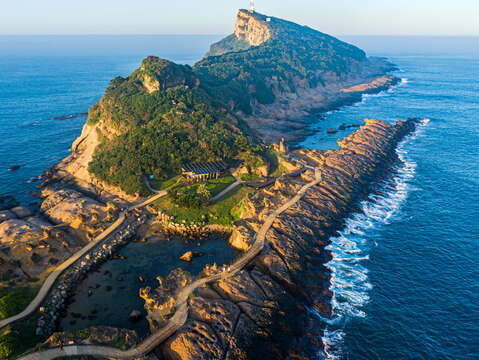
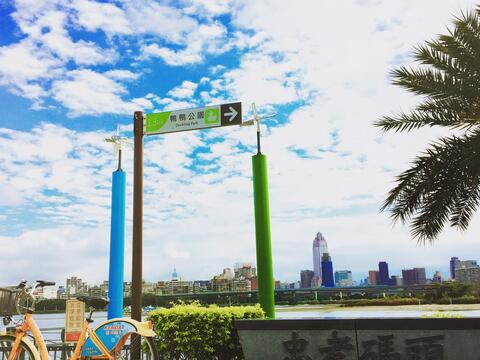
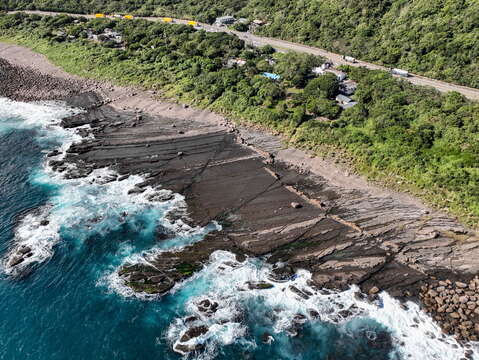
Taiwan Tourist Shuttle - Jiufen Jinguashi Line
Anchor point
Category :
Hiking Trails & Senior citizen & Outdoor excursion & Nostalgic tour of the old street
Travel days :
1 day
適合對象 :
Public & Family & Couples

推薦路線

Day
    第一天

      Introduction

      Anchor point

      Jiufen and Jinguashi are New Taipei City's most iconic mountain towns, where old streets, mining heritage, and sweeping mountain-and-sea views blend into a one-of-a-kind atmosphere that draws travelers from around the world. If you're heading from Taipei or New Taipei City and want to skip the hassle of transfers, hop on the Taiwan Tourist Shuttle Jiufen-Jinguashi Line.

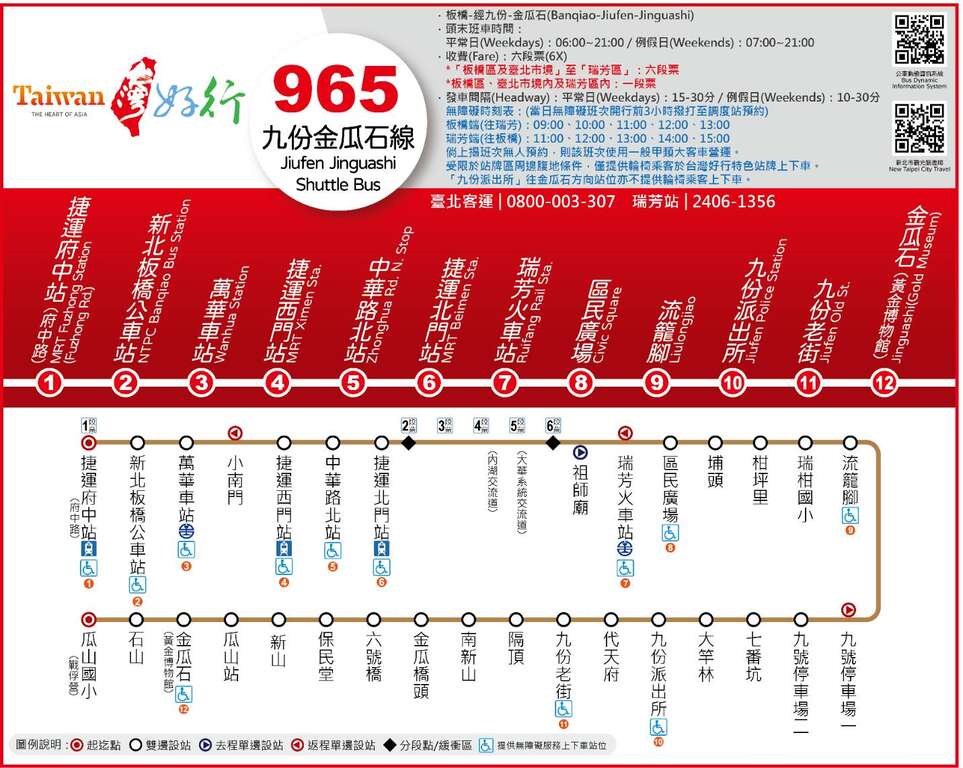
      Buses depart every 10 to 30 minutes from Fuzhong, stopping along the way at key urban transit hubs and bustling districts such as Banqiao Bus Station, Wanhua Station, Ximending, and MRT Beimen Station, before continuing onto Civic Boulevard and the freeway straight to Jiufen and Jinguashi in Ruifang District. With no transfers needed, your mountain town adventure begins the moment you step aboard the Taiwan Tourist Shuttle!
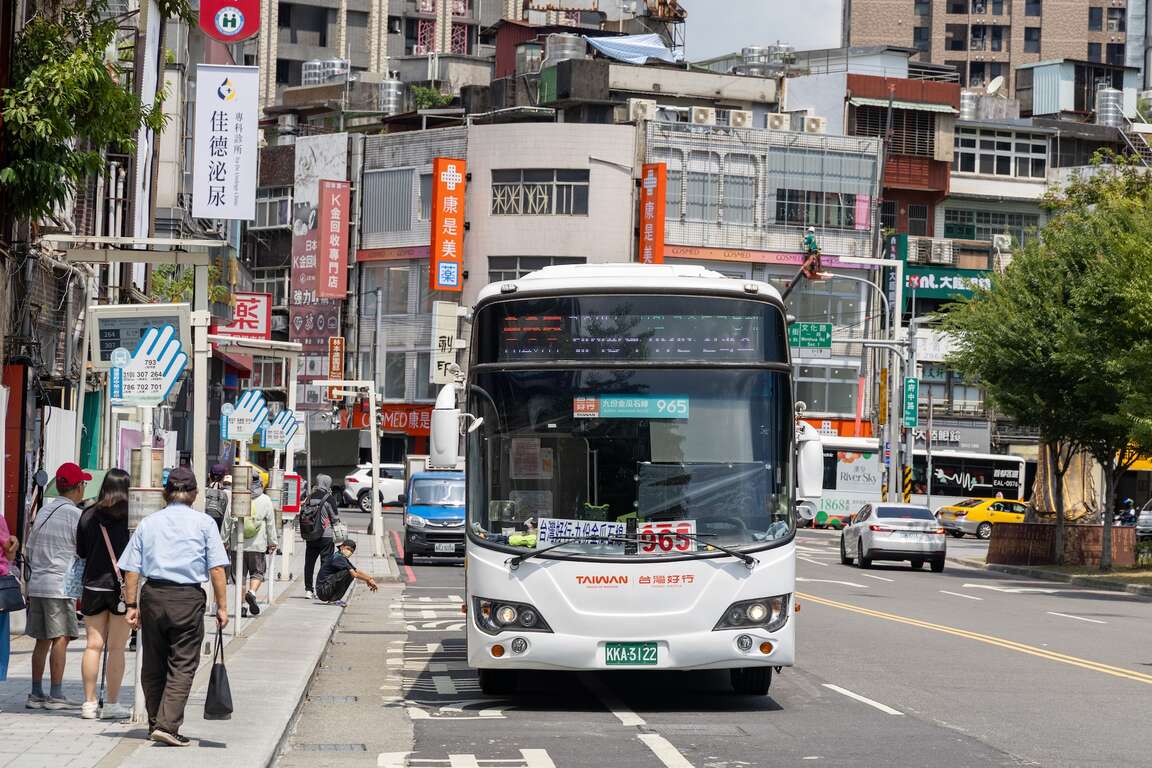
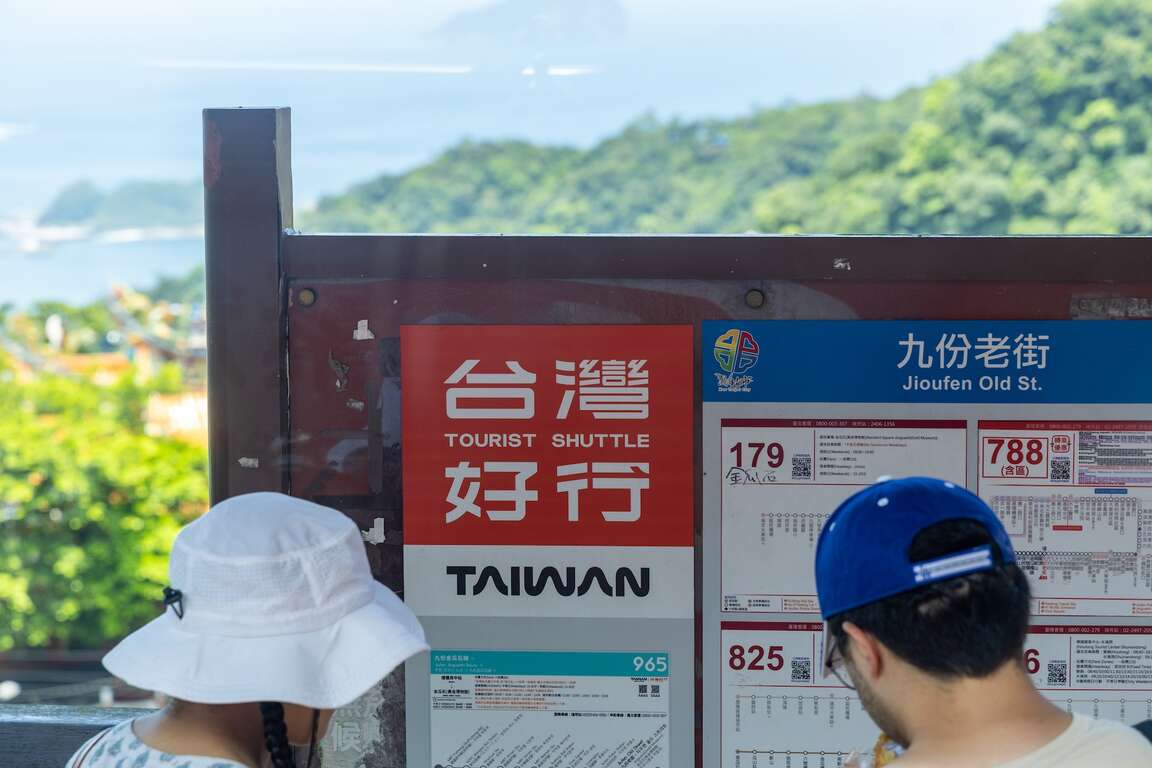
      台灣好行965進站府中


      Taiwan Tourist Shuttle – Jiufen-Jinguashi Line 965 operates large buses equipped with charging outlets, running directly from Taipei and New Taipei City to Jiufen and Jinguashi with no transfers and no hauling luggage between buses, making for a relaxed, comfortable visit to the mountain towns. The route from Fuzhong to the final stop at Jinguashi spans six fare sections, with a one-way fare of NT$ 90. Payment is accepted via EasyCard, iPASS, iCash, Taipei Fun Pass, and LINE Pay, and the route is also covered under the TR PASS Taipei–New Taipei–Keelung–Taoyuan 1200 commuter pass.

      Because the route travels on the freeway, no standing passengers are allowed after MRT Beimen Station; if all seats are taken, the driver will ask passengers to wait for the next bus. To guarantee a seat, reserve in advance through the Taipei Fun Pass official website and set off on your Jiufen and Jinguashi adventure with peace of mind.
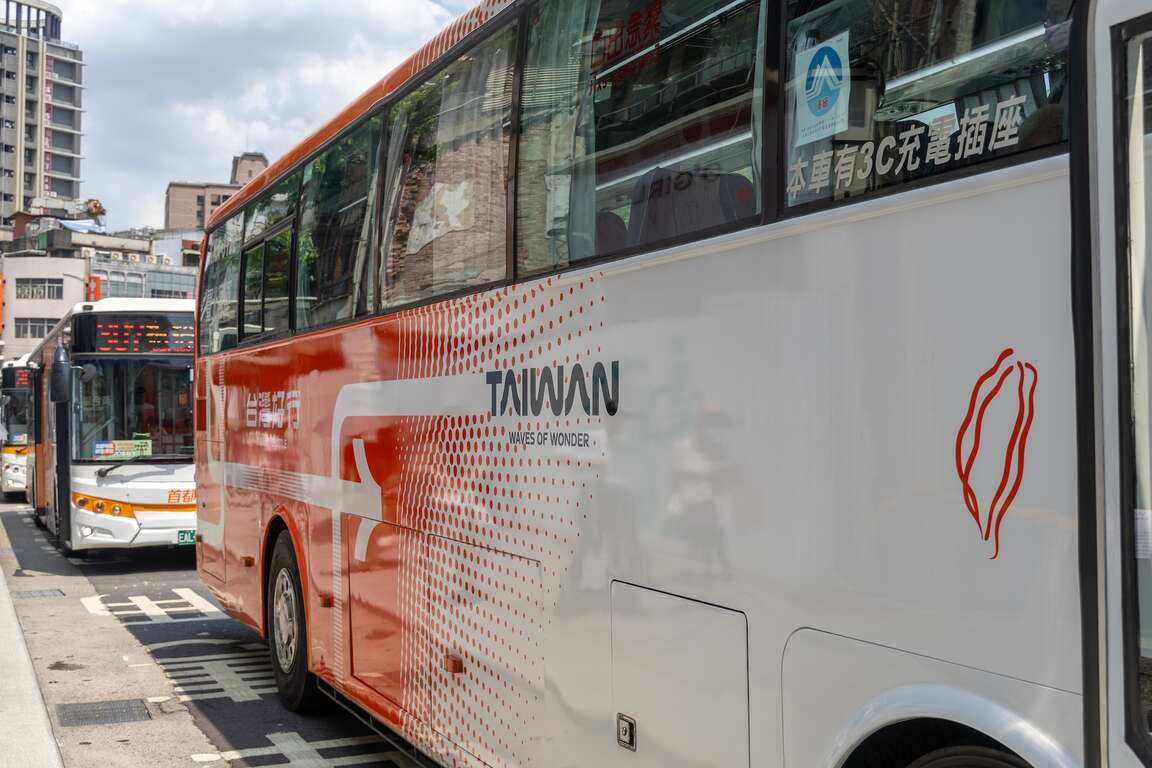
      台灣好行車輛側面塗裝
      台灣好行965路線圖
      (Image source: Taiwan Tourist Shuttle official website)

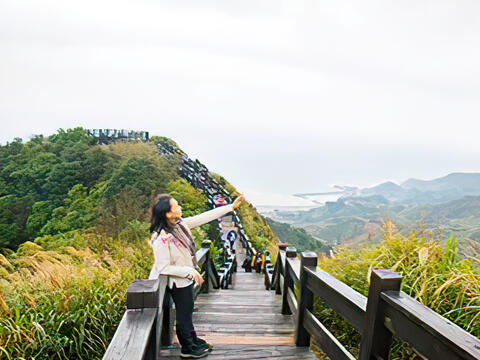
      The bus runs directly from the city to the final stop at Jinguashi, taking about 90 minutes under smooth traffic conditions. After gold was discovered here in 1894, waves of prospectors poured in, launching the mountain town's golden age. Though the mining boom is now history, Jinguashi has shed its old bustle for a quiet, peaceful charm—visit the Gold Museum, stroll the hiking trails, and enjoy some leisurely time.
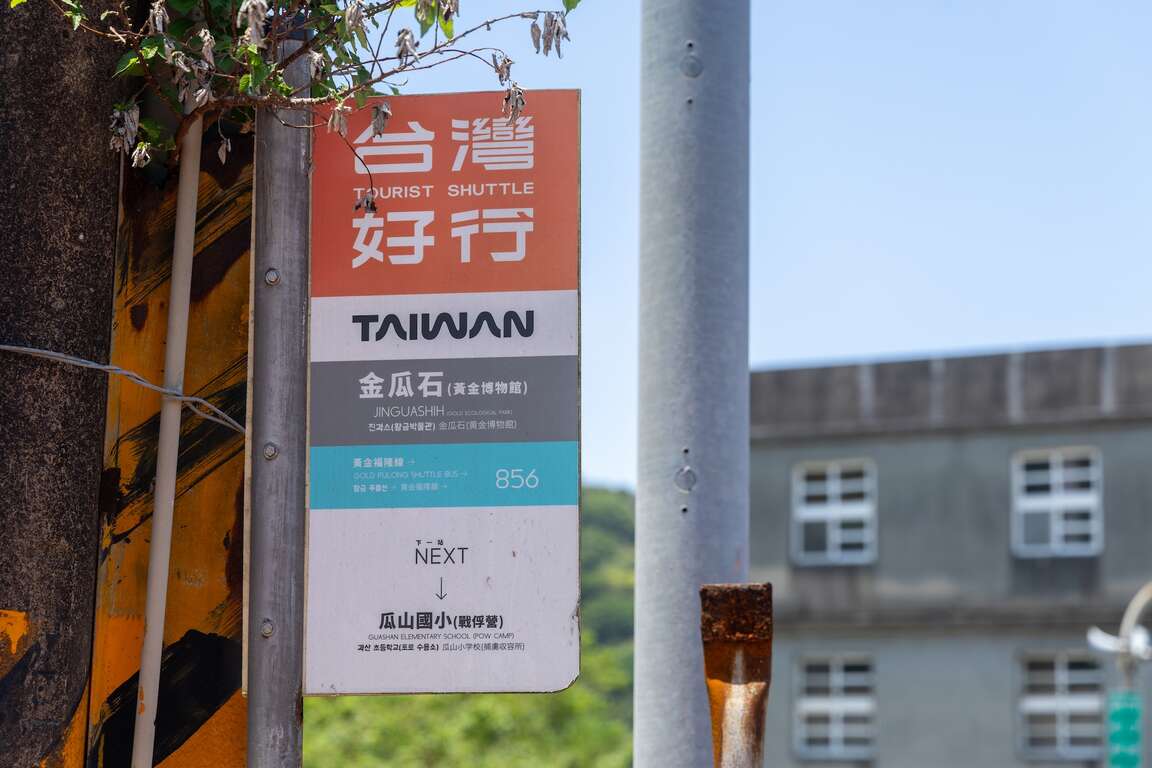
      台灣好行金瓜石站
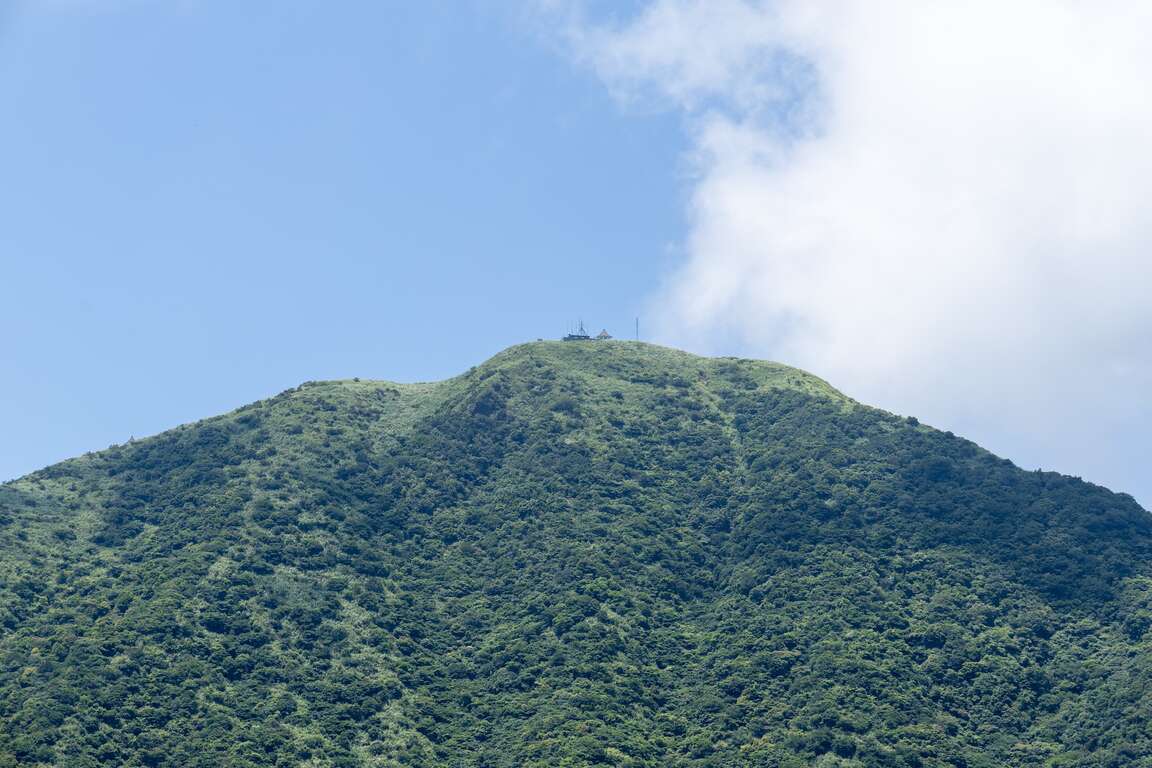
      金瓜石遠眺基隆山

      Opened in 2004, the Gold Museum is Taiwan's first museum built on the concept of an "ecomuseum." Centered on mining history and community strength, it connects the mining relics, village landscapes, natural ecology, historical memory, and cultural heritage of Jinguashi and Shuinandong, promoting resource sustainability and ecotourism. This vision extends the Gold Museum beyond its walls across the entire Jinguashi mountain town, showcasing its uniquely captivating local culture.
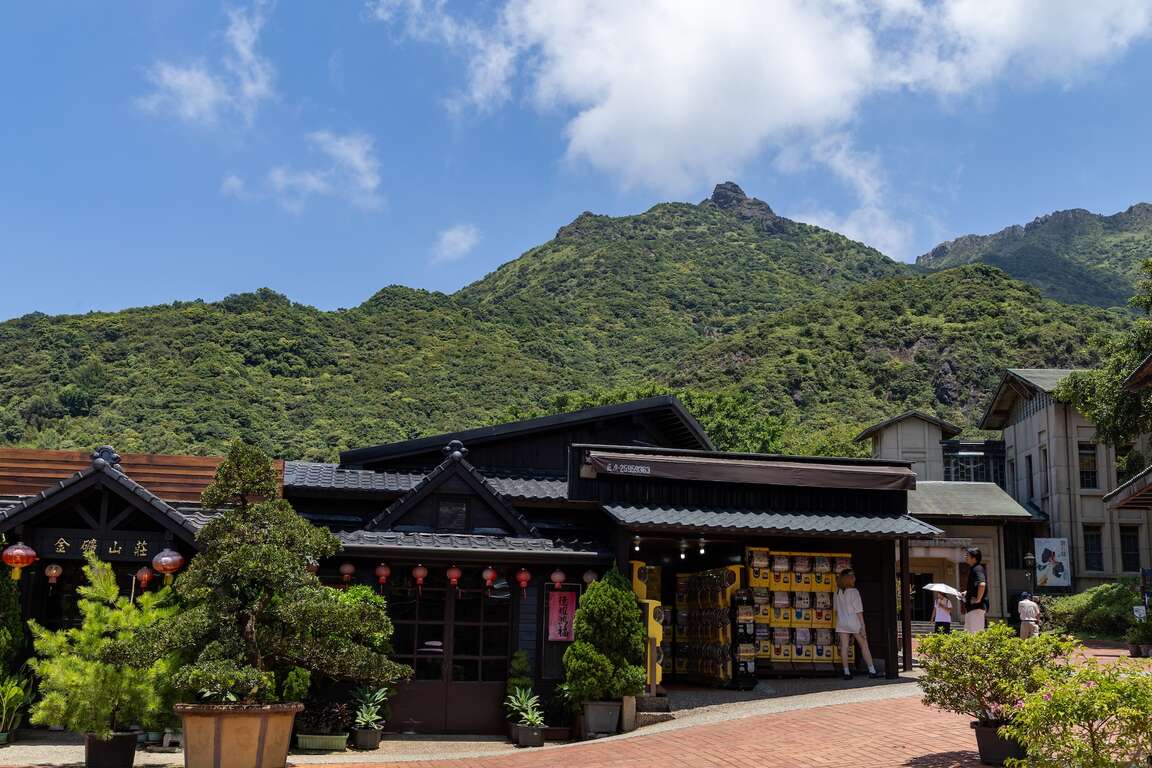
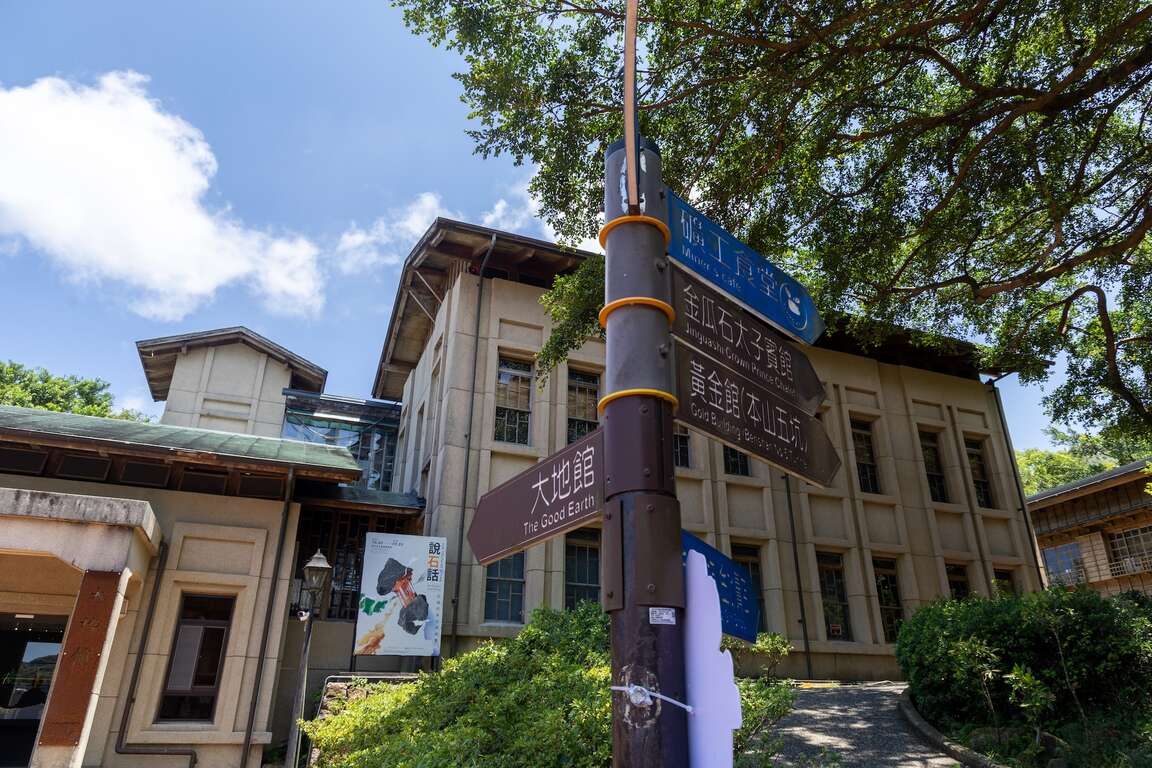
      金瓜石無耳茶壺山
      黃金博物館園區


      From the Gold Museum, wander through winding, hilly alleys to reach Qitang Old Street. Once Jinguashi's busiest commercial hub, it earned the nickname "Jinguashi's Ginza"; the hillside settlement built during the Japanese colonial era shaped the distinctive streetscape seen today. The old street has traded the clatter of mining days for the aroma of coffee and a slower pace—admire the mining-themed art installations along the way, then settle into a small shop to rest and savor Jinguashi's cultural charm.
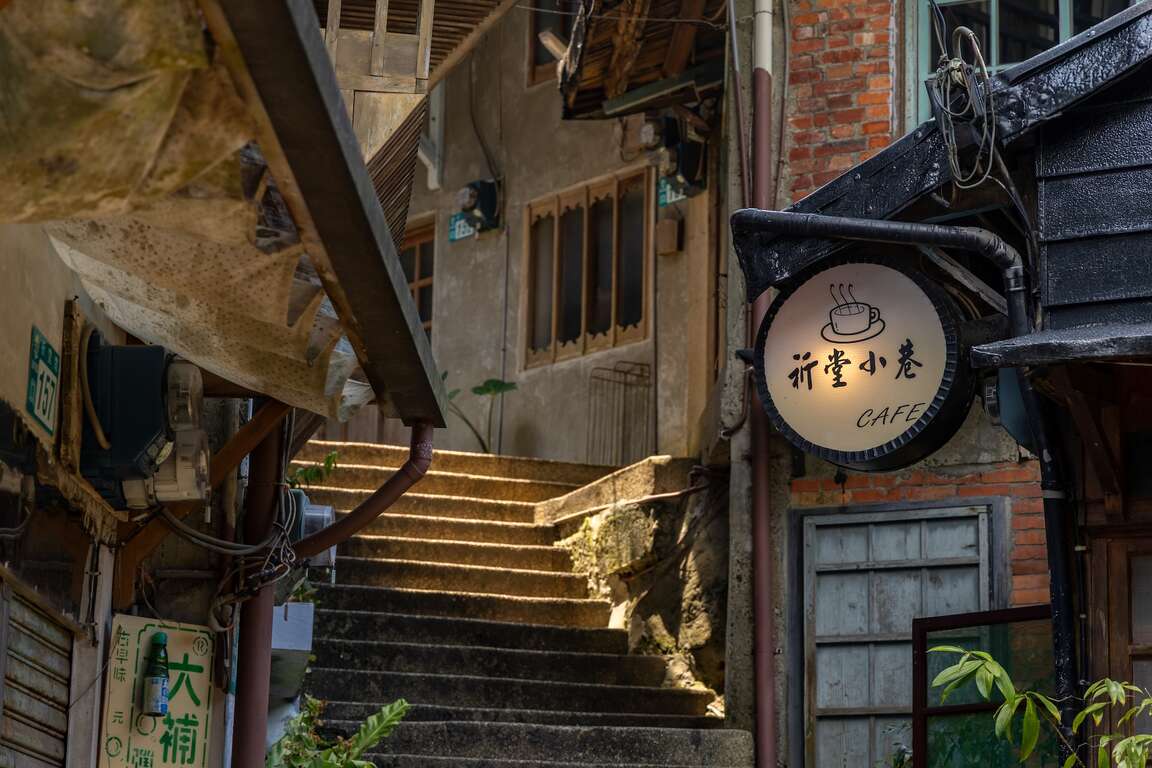
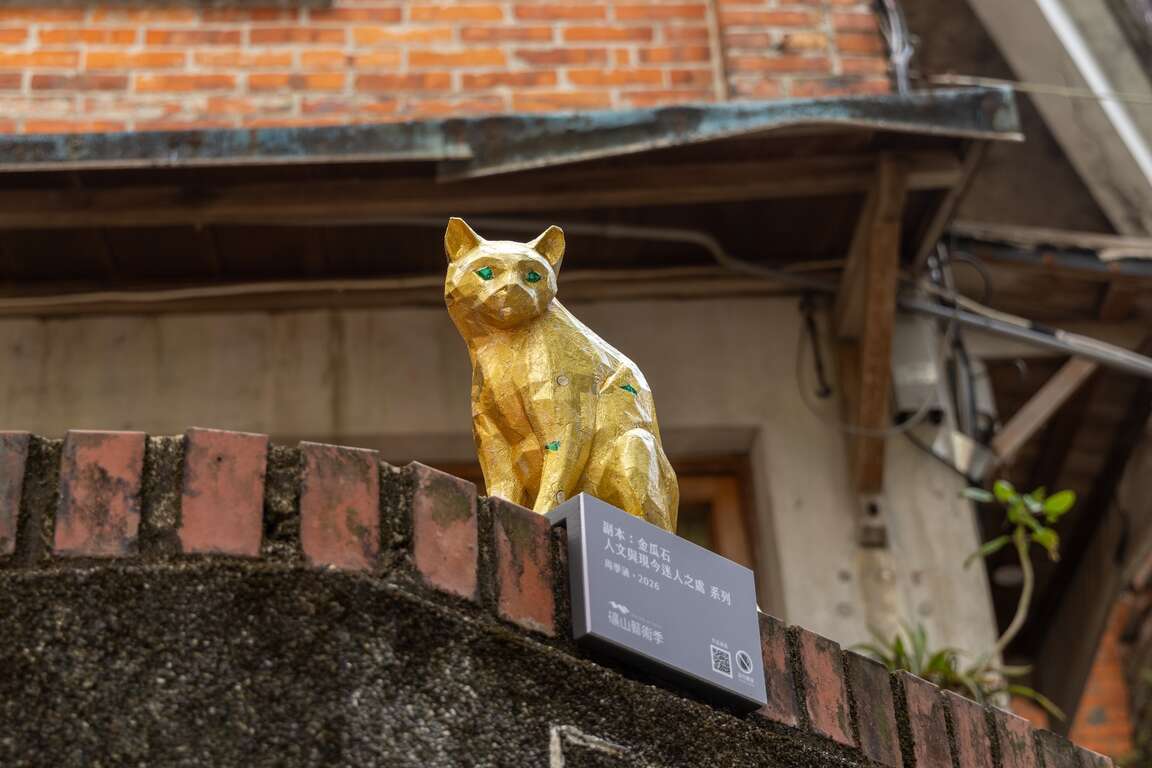
      祈堂老街
      礦山藝術季展出作品


      Hop back on Taiwan Tourist Shuttle Line 965 and cross over Keelung Mountain to reach Jiufen, the mountain town on the other side. Both Jiufen and Jinguashi flourished through gold mining and are known together as the "Golden Mountain Towns"; their lively heyday even earned them nicknames like "Little Shanghai" and "Little Hong Kong." In the late 1980s, the film A City of Sadness was shot here, bringing Jiufen's mountain-and-sea scenery, nostalgic lanes, and hillside village onto the big screen and introducing the mountain town's charm to the world.
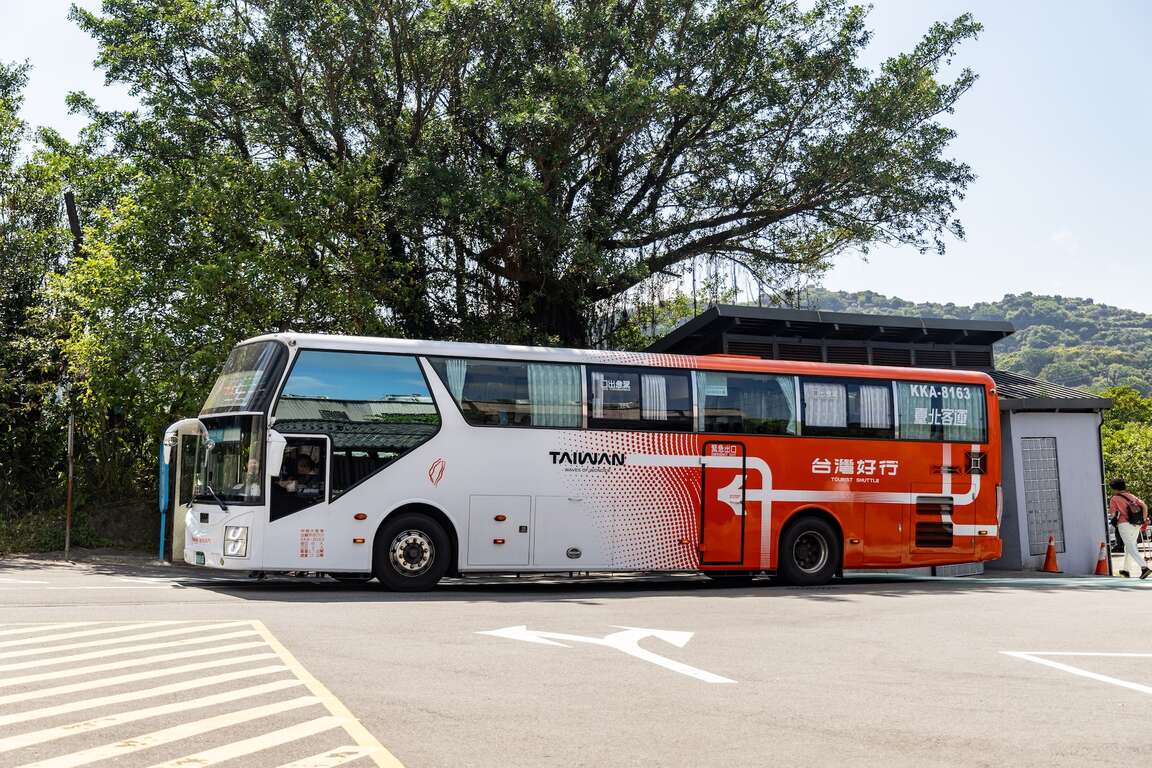
      台灣好行車輛塗裝

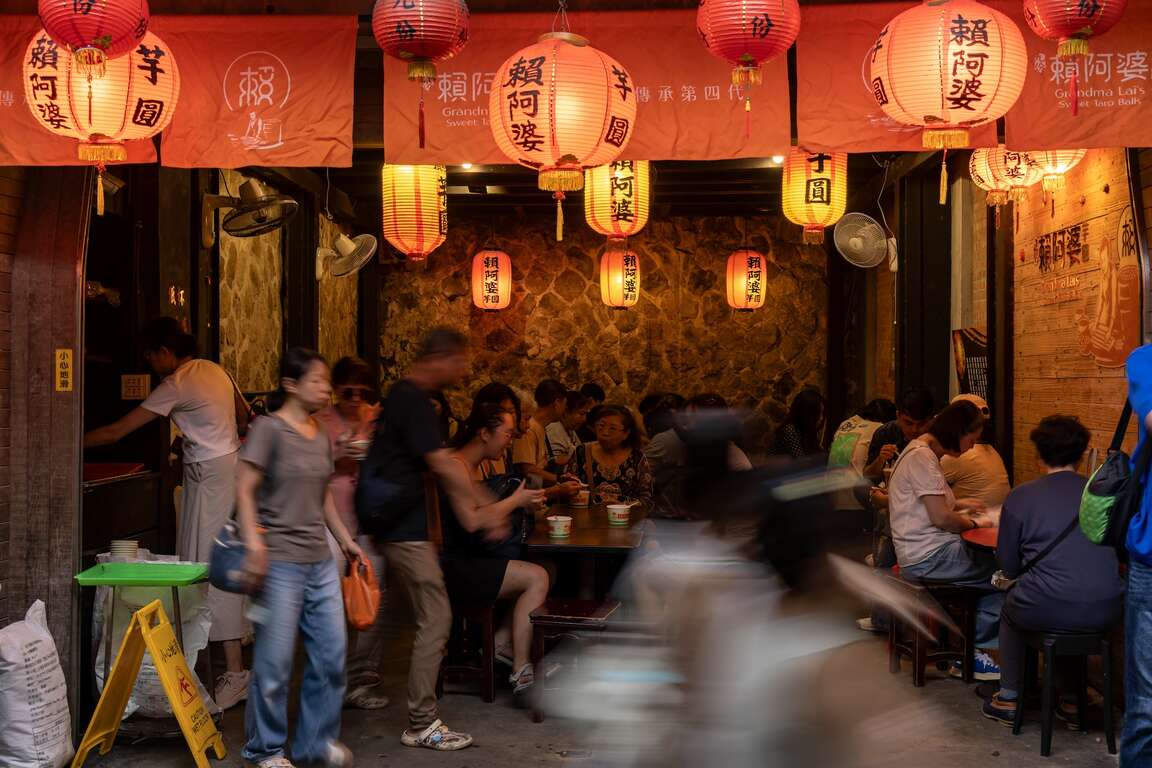
      九份芋圓

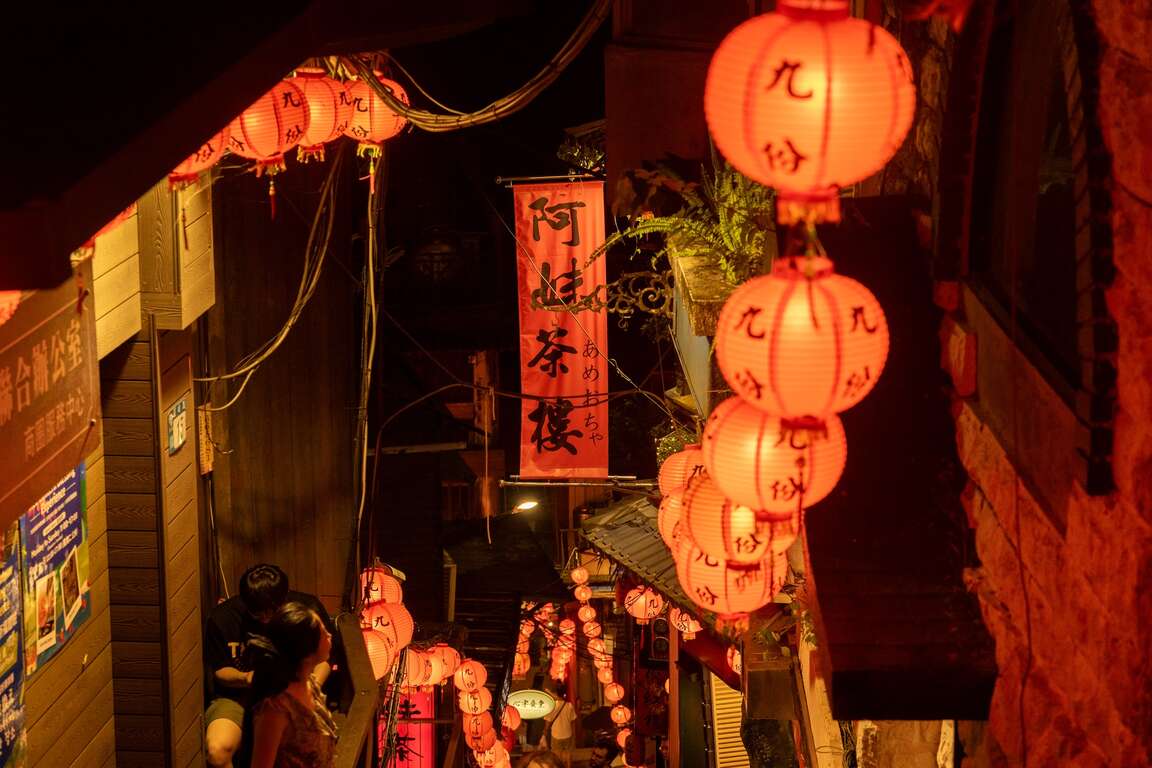
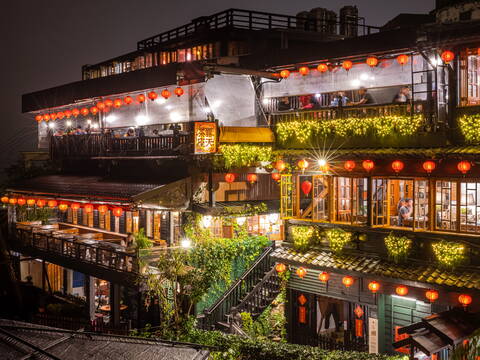
      Shaped by the terrain, Jiufen's village spreads across the hillside, with its streets forming a distinctive pattern resembling the Chinese character "丰." The horizontal Jinshan Street is the busiest commercial strip, packed with snack stalls and specialty shops, while the vertical Shuqi Road is famed for its long stretch of stone steps, where you can take in tiered old houses and sweeping mountain-and-sea views. After dark, red lanterns light up one by one along the hillside, lending the old streets a quiet, romantic glow.
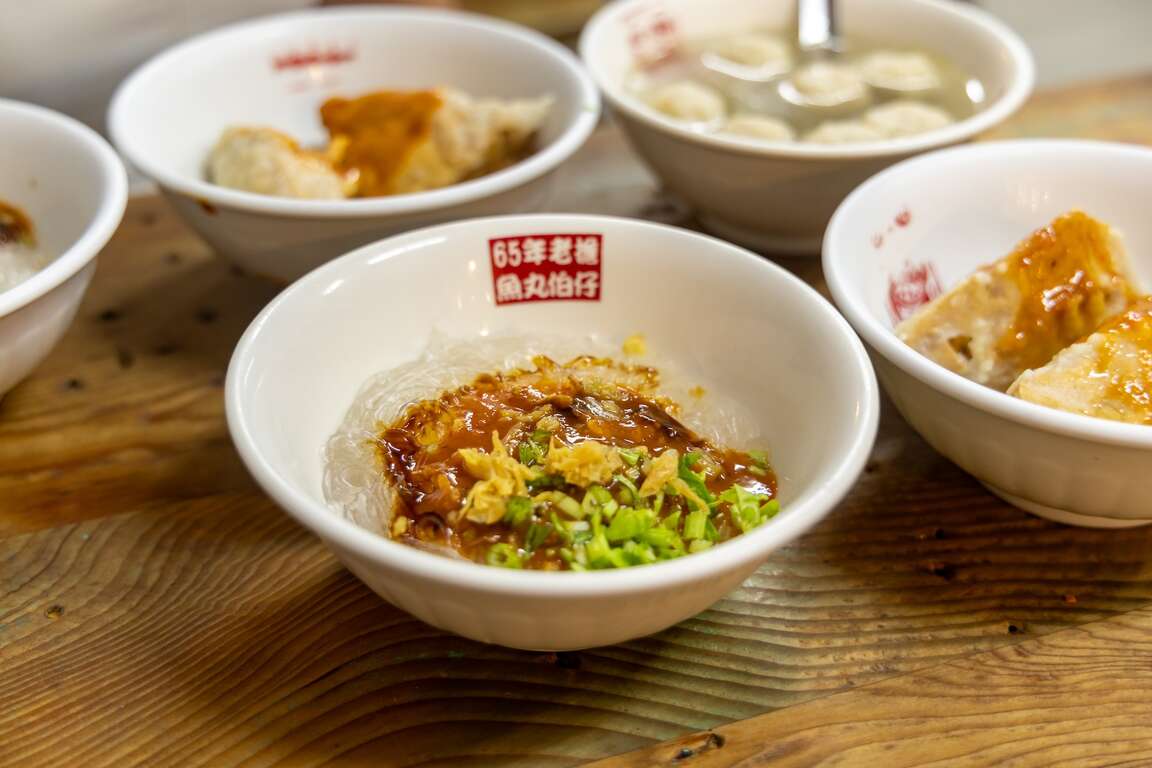
      九份老街美食
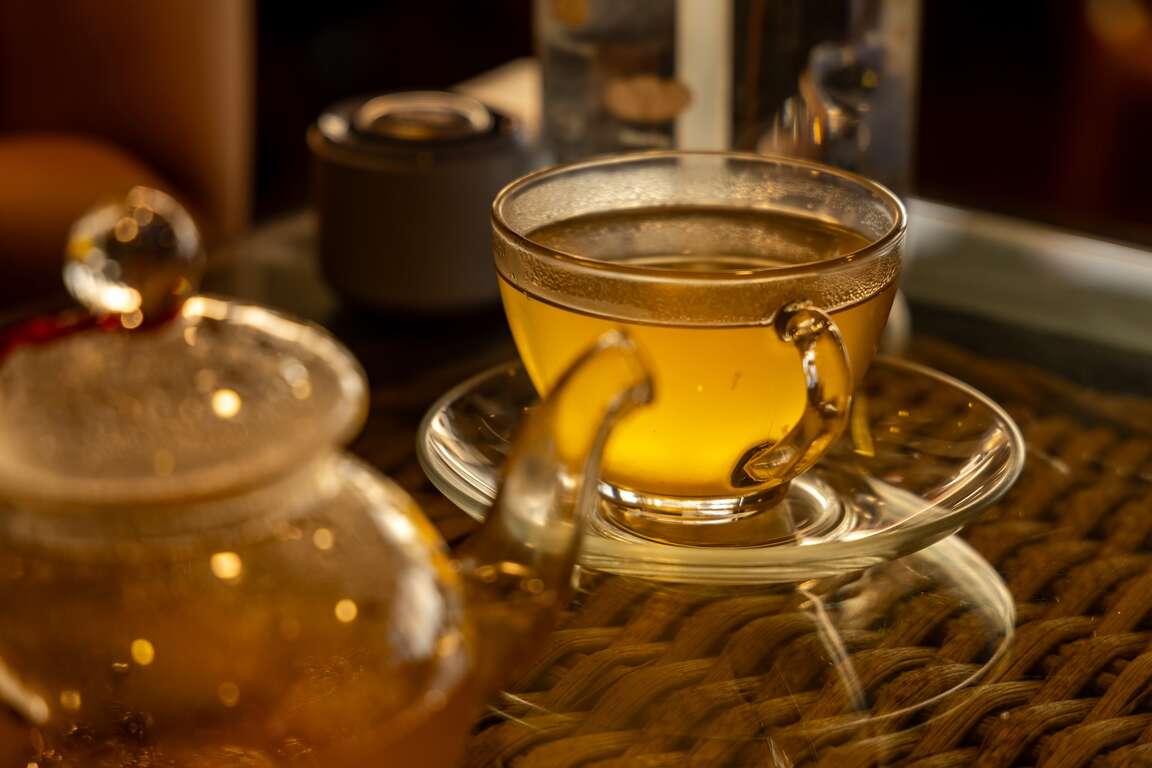
      九份老街茶坊
      豎崎路上的紅燈籠

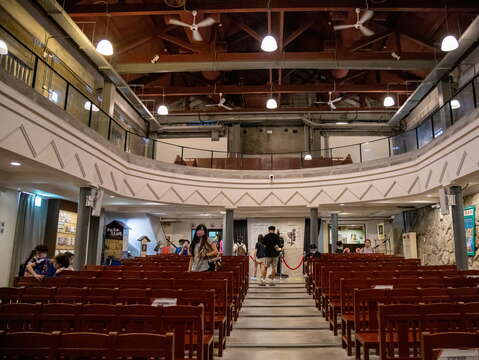
      Follow the stone steps to where Shuqi Road meets Qingbian Road, and discover the storied Shengping Theater. Opened in the 1930s, it was once one of Taiwan's largest theaters during the Japanese colonial era, reflecting Jiufen's gold-fueled prosperity. After the theater went dark in the 1980s, its distinctive architecture and old-world atmosphere made it a filming location for movies including A Borrowed Life and A City of Sadness. After strolling the old streets and tracing these film locations, hop back on Taiwan Tourist Shuttle 965 – Jiufen-Jinguashi Line for a transfer-free ride straight back to your accommodation in Taipei or New Taipei City!
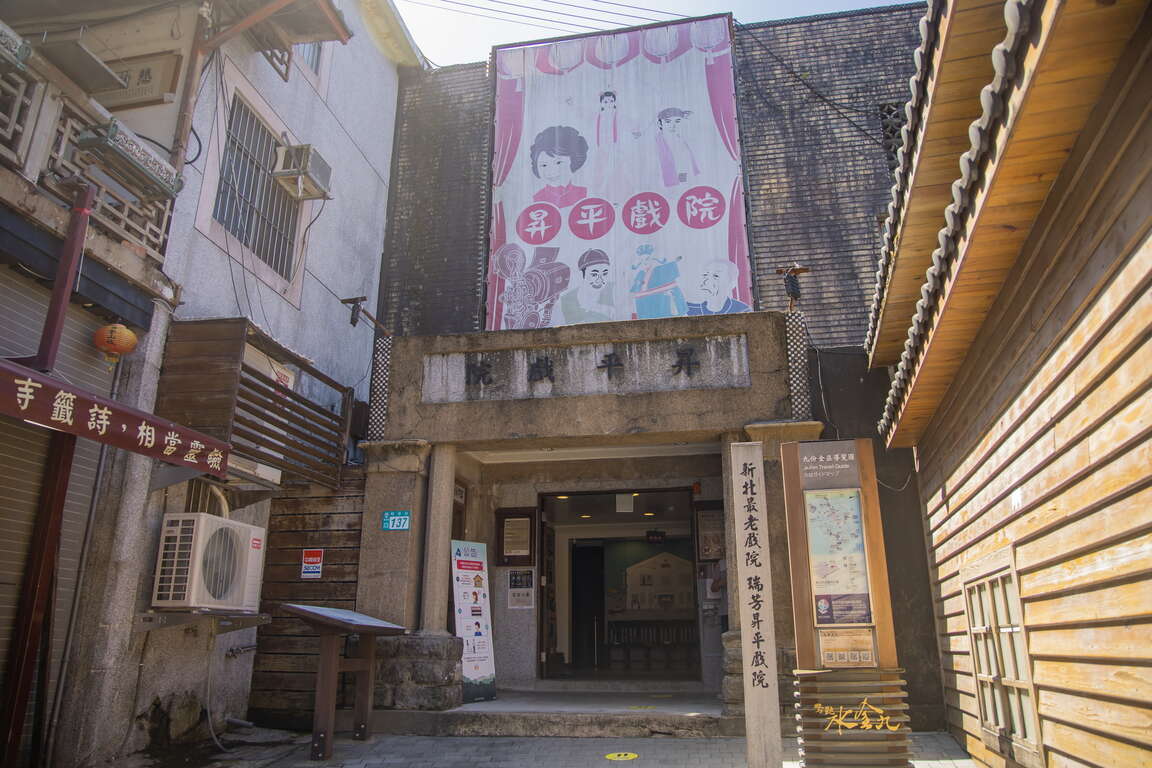
      昇平戲院
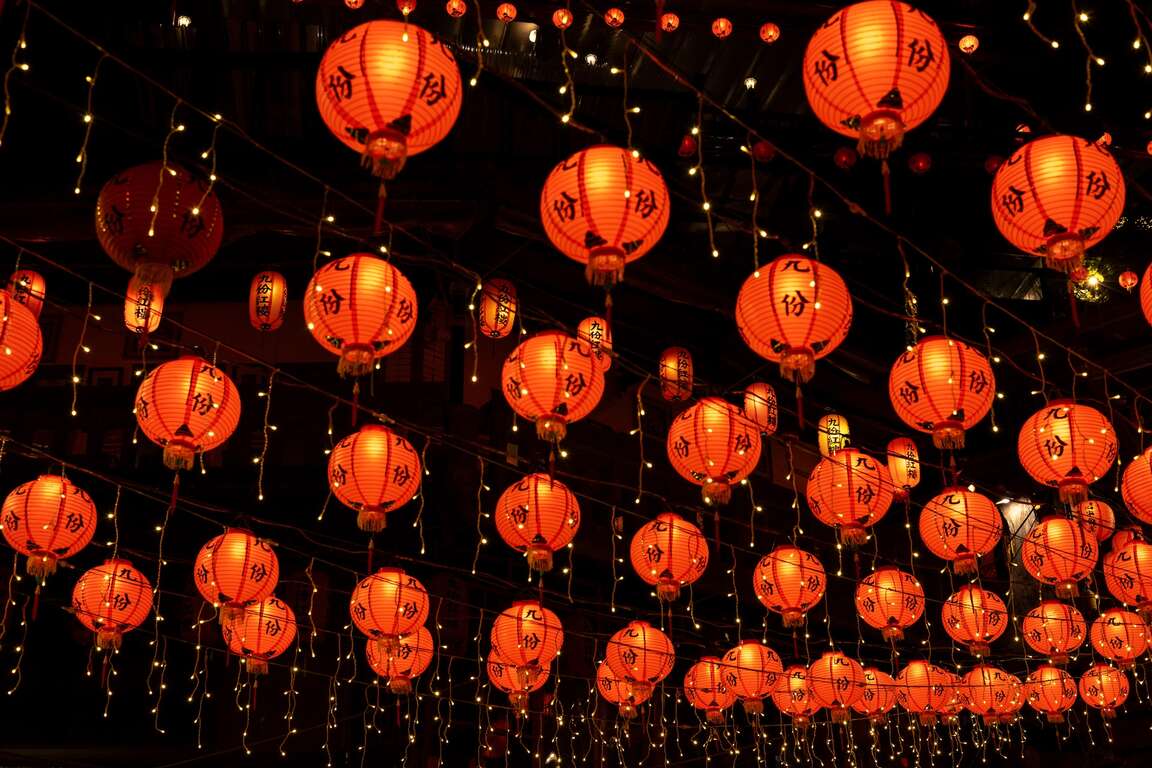
      昇平戲院前的燈籠海
      Previous
      Pilgrimage to Northern Coast cinematic scenes, experiencing nature and cultural heritage.
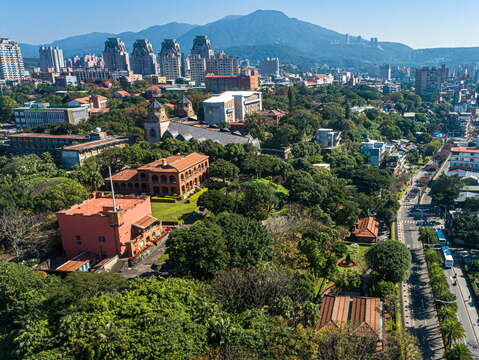
      The whirlwind caused by classic Taiwanese dramas often brings about pilgrimages. Sometimes, through the perspective of film and television works, familiar attractions will give us a new layer of emotion, while unfamiliar attractions will be a layer of mysterious colors. The Northern Coast has a rich ecology and charming sea views along the coast and is a favorite location for many film and television works.Arrive at Linshan Cape Wooden Plank in the morning for a bicycle tour, just like passing by the bicycles shared by Xiang Lun Ye and Xiao Yu Lu in the movie "Secret." Go to Tamsui Old Street for food at noon, and visit Fu-Yo Temple on Zhongzheng Road, which seems to be able to see the lively scene of the temple performance in "David Loman 2." Join a special guided tour of Fort San Domingo. The vermilion exterior walls are full of exotic styles in the afternoon. In recent years, many popular TV series such as "Seqalu: Formosa 1867" and "Gold Leaf" were filmed in the former Qing Dynasty British Consul's residence on the east side. At dusk, come to the nearby Customs Wharf to greet the sunset. Here is also the location where the music movie "52Hz, I Love You" creates a European-style flower market.▲ The Linshan Cape Wooden Plank is only 600 meters long and is suitable for walking, cycling, and enjoying the seaside scenery. Take a bicycle tour on the wooden plank to appreciate the natural terrain.In 2007, Jay Chou directed and starred in the musical fantasy romance film "Secret" which swept Taiwan. The romantic scene in the movie, in which Xiang Lun Ye rides a bicycle to take Xiao Yu Lu home and the two chat about everything under the sun, is filmed at the Linshan Cape Wooden Plank.The 600-meter-long Linshan Cape Wooden Plank Road is part of the "Linshan Cape Recreation Area" and is at the junction of Sanzhi District and Shimen District. Besides the coastal scenery, remember to look at the wind-faceted stone landform and the rich intertidal ecology. The andesite of Linshan Cape has gradually formed multi-faceted edges eroded by the northeast monsoon with fine sand for many years, so it is called "wind-faceted stone." The widespread andesite is also an excellent location for algae to attach. The replacement of the old and the new left the rock's surface with lime due to algae calcification, which accumulates layer by layer to form an algae reef. When riding a bicycle on the Linshan Cape Wooden Plank to the filming location, enjoy the sea breeze and get close to these rare natural geological landscapes.▲ At the entrance of Tamsui Old Street, the fragrance of delicious food fills the air, and crowds surge along the way.Tasty delicacies only cost coins, and visit the ancient temple, Fu-Yo Temple.After the exercise, fill the hunger with food from Tamsui Old Street. Regarding the must-eats in Tamsui, we must mention the three food treasures: "fish balls, a-gei, and iron eggs." A bowl of steaming fish ball soup is full of the simple taste of the fishing village, paired with a-gei topped with sweet and spicy sauce. When taking a bite, it is full of green bean noodles soaked in a salty and fragrant sauce. Finally, buy a pack of iron eggs as a snack to replenish the journey.Pass by the "Fu-Yo Temple" on Zhongzheng Road Old Street when searching for delicious food. Temples and businesses are adjacent to the busy streets, a unique street scene in Taiwan. It even found the integration of religion and life into the daily lives of ordinary people. On the day when "David Loman 2." was filmed at Fu-Yo Temple, it presented clips of Nana and Xiaola sisters learning religious rituals, such as carrying a sedan chair, which attracted many viewers.▲Fu-Yo Temple is the earliest temple built on Tamsui Old Street and has more than 200 years of history.Built with the mountain behind and the river in front, the Fu-Yo Temple is the earliest in Tamsui. Its construction history dates back to the Qianlong period of the Qing Dynasty when it was a Class III historic site. It is mainly dedicated to Mazu, who protects the place and ensures safe navigation. Therefore, it is also called Mazu Temple and carries many folk legends.According to legend, during the Sino-French War, when French warships bombarded Huwei (today's Tamsui), they saw a spirit guarding the Fu-Yo Temple, and the nearby houses were unaffected. After the war, Ming Chuan Liu petitioned Emperor Guangxu to grant a plaque because Mazu had made her presence. The plaque "Yitian Zhaoyou" (Praise Mazu for her meritorious service in protecting Taiwan during the battle) is still hanging in the temple's main hall. The temple retains many original Qing Dynasty items, and the unique architectural layout and rich carving art are also worth a visit.▲The building on the east side of Fort San Domingo Park was the official residence of the British Consul in the Qing Dynasty. The Fort San Domingo Park is a building that witnesses the evolution of history.It takes about 15 minutes to walk from Fu-Yo Temple to Fort San Domingo Park to see red brick buildings full of exotic styles. The TV series "Seqalu: Formosa 1867" and "Gold Leaf," which have recently caused a craze, were filmed in the former British Consul's residence on the east side of Fort San Domingo. They present the office of Xian-De Lee, the American Consul in Xiamen, and the scene of Yi-Xin Chang, the daughter of a tea merchant, negotiating the tea business, respectively.▲ The elegant and solemn interior of the former British Consul's residence is perfect for shooting solemn conversation scenes.The site of Fort Santo Domingo includes the main fortress, the former British consul's residence, and the south gate built during the Qing dynasty. Spanish initially built and called it "Santo Domingo City." After destroying it, the Dutch rebuilt it on the original site and named it "Fort Antonio" (Fort San Domingo). During the Qing Dynasty, the Tamsui Tongzhi (government sub-prefect) of the Taiwan Prefecture added four outer city gates. It was not until after the Sino-French War that the trade volume of Tamsui Port increased sharply, and the British decided to build the Consul's Residence next to it. The construction of Fort San Domingo came to a temporary end. This national monument has witnessed the passage of time, and over 300 years of history have been piled brick by brick.▲ Presented as "vases," the corridor railings combine the beauty of Chinese ceramics with Western vase railings.Fort San Domingo became the British Consulate from 1867 to 1972 because of the "Fort San Domingo Perpetual Lease" signing. It was not until later that they established the former Qing British Consulate on the east side of the main castle. The two-story red brick building was designed by British architects and constructed by Chinese craftsmen. It has typical British colonial architectural features such as sloping roofs and arch-ring corridors. Its excellent construction technology and exquisite materials have great architectural art value.★Tamsui Fort San Domingo Park Guided Tour Service: On-site registration is limited to 30 people per session.Daily at 10:00, 11:00, 14:00, and 16:00▲ You can see the Tamsui River Bayou and the Guandu Bridge from the Customs Wharf. Enjoy the magical sunset moment at the wharf.When coming to the Tamsui Riverside, remember to catch the moment when the sunset dyes the river golden. The Customs Wharf is on a platform downhill from Fort San Domingo. It is a great place to enjoy the sunset and the opening of the Taiwanese music film "52 Hz, I Love You." The flower shop's female owner carefully dragged the cart, strolling and singing in the European-style flower market.In the Qing Dynasty, Hu Wei became a trading port due to the signing of the Treaty of Tientsin and the Convention of Peking, and the Customs Wharf instantly became one of the most essential ports in Taiwan. The 150-meter riverside trail, built with Guanyin and Qilian stone, prevents erosion by the river water and is very sturdy. People can still see the stone mooring bollards where ships moored in the past. Today, the Tamsui Customs Wharf area has Western-style buildings and a port warehouse built during the Japanese rule. There are permanent exhibitions planned in the warehouse, and special exhibitions are changed regularly.▲ Let the sunset twilight draw a beautiful end to the journey. The Customs Wharf connects to the bottom of Tamsui Old Street and overlooks the Tamsui River Bayou and Guandu Bridge. The view is broad, just right for the sunset twilight to draw a beautiful end to the journey.See more New Taipei Cinematic Pilgrimage Road:Film Assist NTPC.
      Read more