Go to the main content section Anchor point

New Taipei City Travel

One-Day Railway Trip at Yingge

Anchor point
One-Day Railway Trip at Yingge
Category :
Rail travel
Travel days :
1 day

推薦路線

Day

Introduction

Anchor point
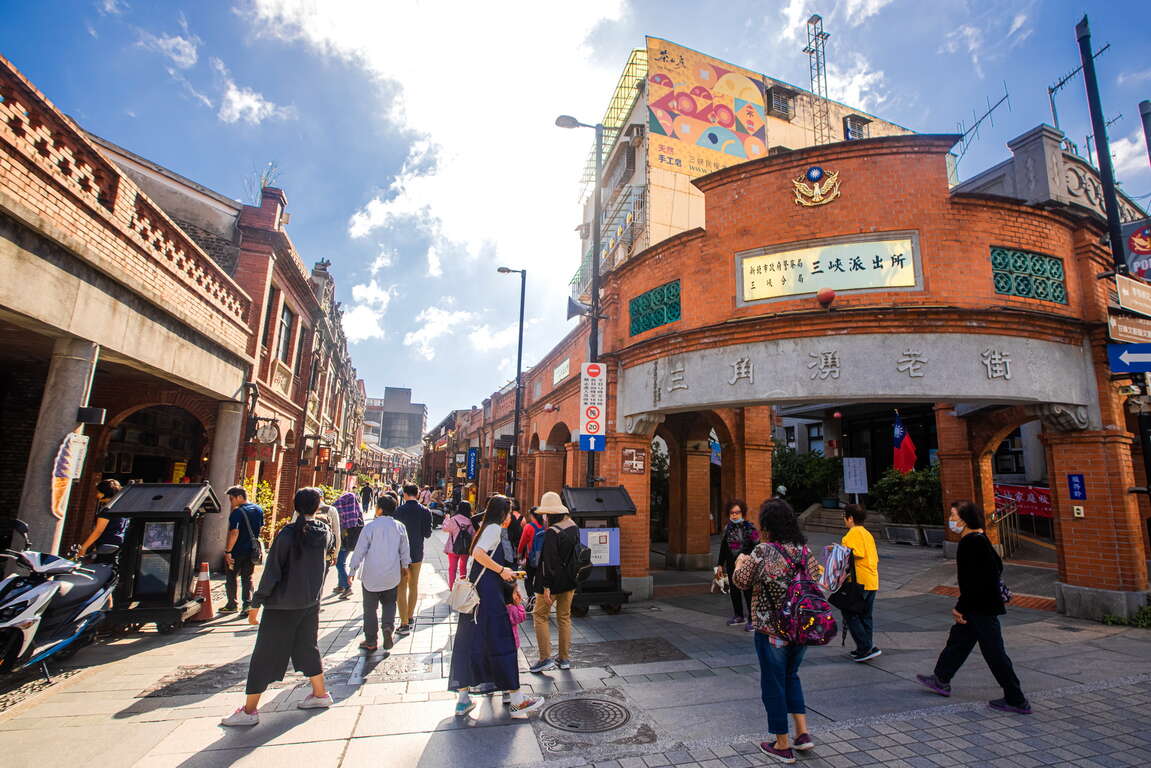
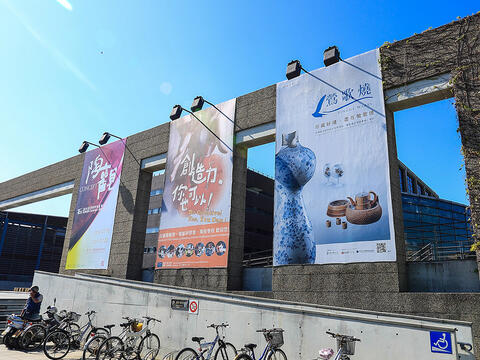
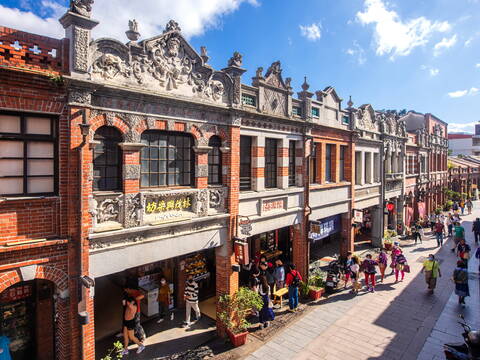
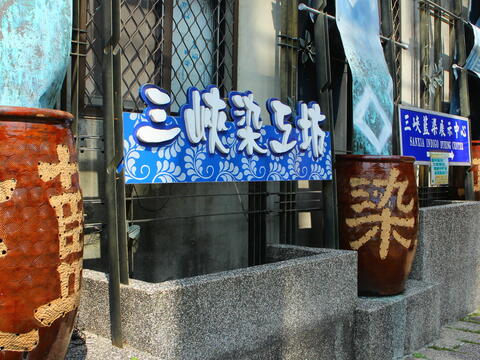
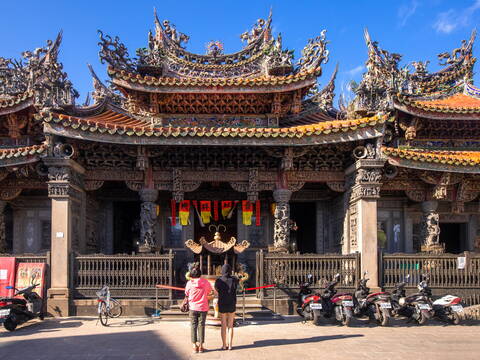
Besides the old street culture and classic historical sites, Yingge and Sanxia have abundant cultural creative experience and artistic strengths hidden in the alleys. The experience of making their own potteries, indigo dyeing and other art works are the greatest memories visitors can have here. After leaving Yingge Station, first head to “Yingge Ceramics Museum” in which it provides introduction on the history of ceramics production, regular exhibitions and special exhibitions. Then, visit Sanxia Old Street, a place filled with the aroma of delicious gourmets. The featuring souvenir of “Golden Bull Horns” is a must-eat gourmet! The Qingshui Zhushi Temple is another spotlight of the old street. It is not only the religious center of local residents, it also preserves the memories of ordinary people.
day01
Previous
Xinzhuang Temple Street One-Day Trip
With its history of more than 300 years, Xinzhuang Old Street is a microcosm of Taiwan's contemporary history. Behind the bustling tourist night market, there are so many historic temples, quaint old shops, and alleys with historical traces hidden in them.Xinzhuang Dizang Temple, an important religious center filled with strong incense, was founded in the Qing Dynasty, so the temple has been around for a long time. It has not only held annual religious events in Xinzhuang but has also served as an important meeting point for all Xinzhuang people, where youth make new memories and the elderly look back at shared memories.From Zhongzheng Road it is about eight-minute minute walk to Xiangrenhe Bell and Drum Factory. With a history of more than half a century, this factory’s products are praised for their quality. Besides exhibiting various drums from other countries in the museum, the factory also displays the rare drum-making process, allowing visitors to experience the master's dedication to this traditional craft.You may also pay visits to Guangfu Temple, Fude Temple, Wenchang Temple, Ciyou Temple, Chaojiang Temple and other shrines and temples along the way. The name of Mishixiang stems from the dockworkers carrying bags of rice. The last step is the iron forging workshop, an old shop inside the Xinzhuang Temple Street, where knives are made the traditional way to this day. The store will also teach customers the correct way to use and maintain them!
Next
Canguangliao Historic Trail – Appreciating silver grass. Searching for gold. Indulging in the flavors of fall and all splendid sceneries.
Rumor has it that the name “Canguangliao” (“canguang” means shining light in Chinese) comes from the scenery when mountains, full of yellowish and white silver grass in fall, give spectacular light rays formed under the sun beams, making Canguangliao Historic Trail a “golden shining” scenic route! From Mudan Train station, take a bus to Shisanceng Old Tree Stop and walk for 10 minutes, and you will arrive at “Canguangliao Historic Trail Entrance”. Along the Trail, visitors will pass by the historic site of Jinguashi Water Pumping Station, small waterfalls, historic site of old grocery store, Jinshan Fude Temple, and more, and they will ultimately arrive at Shumeiping Observation Deck. The total distance is nearly 5km with a walking time of approximately 3 hours; the level portions of the Trail are constructed with stairs of relatively lower difficulty level for walking. Moreover, Canguangliao Mountain is the highest amongst Keelung Volcano Group, so visitors can even look over to Taipei City and Northeast Coast when there is nice weather with an expansive view. After exiting the Trail, follow County Route 102 to Jinguashi Geological Park, where was previously Benshan Mine. Visitors here will have the opportunity to observe traces of the most original mining sights. Then continue traveling to the nearby Jinguashi Shinto Shrine, which was built during the period of Japanese rule in response to the mining development. Even though it is all abandoned now, visitors can still have a glimpse of the sacred and solemn ambiance from the remains of the historic site. If you are interested in having more in-depth experiences of Jinguashi’s golden age, you can continue walking down to the Gold Museum, which is a museum campus transformed from the gold mining areas in the old days. Activities here will include learning about the mining history, the gold culture, and experiencing gold panning; spending a whole afternoon here will be no problem at all. At the end of the journey, visitors will connect to Jiufen Old Street, where they are recommended to order a bowl of cold or hot taro balls or to find a tea place and enjoy a cup of good tea, taking some time to savor this “golden” journey as they take a rest.
Read more
Back to the top of page
小客帶路