One-Day Tour to Yingge Old Street

Anchor point
One-Day Tour to Yingge Old Street
Category :
Nostalgic tour of the old street
Travel days :
1 day

推薦路線

Day

      Introduction

      Anchor point
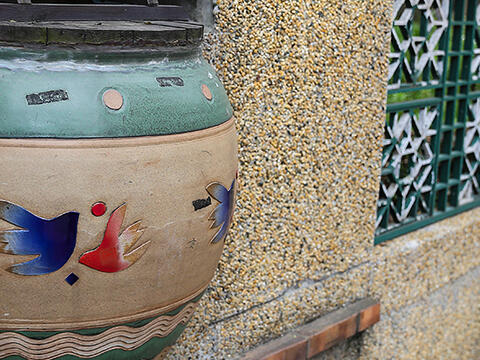
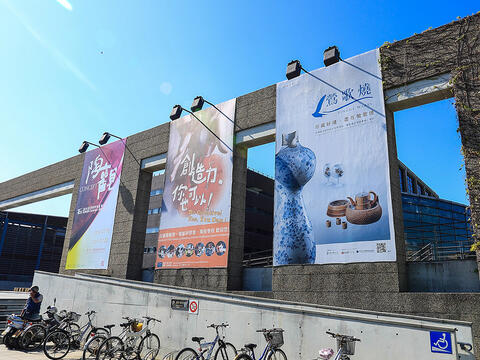
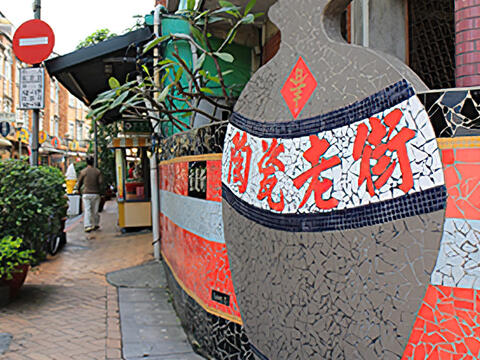
      Anyone would think of Yingge when speaking of ceramic art in Taiwan. After stepping out of Yingge Station, the surrounding architectural style brings out a feeling of nostalgia in people, and one may further experience the architectural charm of the last century when arriving at Yingge Old Street. The “Square Kiln” on the old street is a famous landmark of Yingge, which also symbolizes the past prosperity of the kiln factories during the old days. Up until recently, kilns had declined from their former prosperity and then revitalized again, hence ancient buildings and delicious snack foods are not the only treasures of Yingge, but there are also the artists who silently work their kilns. When visiting Yingge, you should take a look around and select a few pieces of fine china that suit your taste, as those may be unique treasures found only in your collection.
      Previous
      Tarcking back the refreshing Daluolan River in the Ataya tribe of Wulai
      Wulai stands as the most expansive and highest-altitude region within New Taipei City. It represents the sole mountain indigenous district in New Taipei City, primarily inhabited by the Atayal ethnic group. The name "Wulai" originates from the Atayal word "Ulay", signifying the presence of hot springs. Upon entering the North 107 Rural Highway from Wulai Scenic Bridge, you will encounter the idyllic Tranan Tribe, akin to a hidden paradise. Visitors can leisurely walk along the lifeline of the tribe, the Daluolan (Tranan) River, roll up their pants, and immerse themselves in the refreshing river waters to escape the summer heat.Located about a half-hour drive from Wulai Old Street, Tranan Tribe is the first settlement of the Atayal people migrating from Balong in Taoyuan to Wulai in New Taipei City. Situated within the Nanshi River Watershed Protection Area, this small yet beautiful tribe has deliberately avoided excessive development, allowing inhabitants of this region to preserve the most traditional Atayal lifestyle in Wulai. Within the tribe, one can observe characteristic wall paintings and sculptures portraying themes centered around Atayal culture and beliefs.The Daluolan River, known as the mother river of the Tranan Tribe, derives its name from the Atayal word “Tranan” and serves as one of the tributaries of the Nanshi River. A century ago, Atayal people from Balong crossed over the mountain range in search of hunting grounds. They discovered this area, abundant in water sources and fertile soil, and gradually relocated here. During the Japanese domination period, the authorities at the time constructed irrigation canals to channel the waters of the Daluolan River to the tribe for farming purposes. The valley of the Daluolan River is lush and verdant, with the river channel varying between narrow passages and wide expanses. With groups of Taiwan shovel-jaw carps (Onychostoma barbatulum) swimming in crystal-clear waters, it has an astonishingly picturesque scenery.Both banks of the Daluolan River are equipped with scenic trails. The northern bank features an ancient canal trail, while the southern bank hosts the recently established Xilong Trail. The ancient canal trail, also known as the "Fushan Maan Ancient Canal Trail", no longer serves its original irrigation function but continues to flow endlessly. Surrounded by the shade of lush trees, the trail is adorned with towering old trees on both sides and various ferns thriving along the way. The trail is also furnished with rest areas and the Butterfly Garden, offering visitors a beautiful view of butterflies fluttering during the summer.The Tranan Scenic Bridge stands out as the newest attraction in the tribe, connecting the Ancient Canal Trail and Xilong Trail to form a circular route. This steel-structured arched bridge gracefully spans over the Daluolan River. As visitors traverse its path, they're greeted by breathtaking views of the valley and distant mountain peaks. The harmonious fusion of the river and lush forests crafts an invigorating visual spectacle. Returning to the tribe via the Xilong Trail, travelers encounter two intersecting paths that lead to the Daluolan River. Here, guests have the chance to kick off their shoes, roll up their pants, and immerse themselves in the refreshing waters, offering sweet respite from the summer's warmth.While returning to Wulai Old Street via the North 107 Rural Highway, take a moment to gaze toward the right bank where the cable car station of Yun Hsien Resort lies. Here, you can relish the captivating view of the majestic Flying Fountain gracefully descending from the mountaintop. Also known as Yunxian Waterfall, the impressive 80-meter-high cascade stands as the largest waterfall in Northern Taiwan. Since the Japanese colonial period, it has been revered as 'the waterfall from the clouds,' remaining one of the most renowned landscapes in Wulai.After crossing the Wulai Tourist Bridge, turn right to enter the most bustling area of Wulai – Wulai Old Street. Indulging in aromatic indigenous cuisine is a delightful reward after hiking. All the shops along Wulai Old Street have similar signboards. Here, you can discover various indigenous cuisines and local specialties. For instance, rice dumplings, bamboo tube rice, makauy (Litsea cubeba) dishes, bird's-nest fern, shallot, BBQ wild boar meat, hot spring eggs, millet mochi, and more. Let’s relish these local delicacies and satisfy your taste buds!
      Next
      Water Source Tea Fragrance・Pinglin Low-Carbon Journey
      As global carbon reduction gains momentum, the tourism industry works to lower emissions across all tour elements. From choosing meeting points and transportation methods, to incorporating environmental education and selecting eco-friendly restaurants, professional institutions now calculate carbon footprints using international standards. Unavoidable emissions are offset through purchasing Verified Carbon Standard (VCS) certified carbon credits, achieving genuine low-carbon tourism.Pinglin, renowned for producing Paochung tea, pioneered Taiwan's low-carbon tourism movement. Starting from Pinglin Suspension Bridge, the route follows Beishi River to the Taipei Water Management Branch Environmental Education Center to discover wastewater purification processes. At midday, visitors enjoy creative cuisine featuring local tea at Just Pinglin eco-restaurant on Pinglin Old Street. The afternoon continues at Xinfeng Tea plantation in Pinglin's hills, where young farmers share their lives devoted to tea.The journey begins at Pinglin Suspension Bridge. Spanning approximately 60 meters across Beishi River, this bridge connects fish-watching trails on both riverbanks. Led by a guide, visitors observe Taiwan shovel-jaw carp (a.k.a. "underwater fireflies"), and the river's rich aquatic ecosystem. The Beishi River watershed falls within the Taipei Water Conservatiopn Area. Policies such as river closure for fish protection and sediment barrier installations are implemented to safeguard water resources for the Taipei-New Taipei metropolitan area and extend Feitsui Reservoir's lifespan.At the fish-watching trail's end, behind flood walls stands Pinglin Wastewater Treatment Plant—one of two major treatment plants under the Taipei Water Management Branch and an environmental education venue. Designated in 1984, the Taipei Water Conservation Area spans five districts: Wulai, Shuangxi, Pinglin, Xindian, and Shiding. It’s Taiwan's only protected zone established in accordance with the Urban Planning Act, with merely 1% being low-density residential areas.Inside the Environmental Education Learning Center, visitors gain insight into Taiwan's water resource management and observe the treatment plant's three-stage process—physical, biological, and chemical purification that ensures discharge quality. Visitors collect water samples themselves, comparing influent and effluent quality for an intuitive understanding of purification's importance.At noon, visit Just Pinglin eco-restaurant at the entrance to Pinglin Old Street. Inside this stone-slab heritage building, savor dishes crafted with local tea—black tea braised pork rice, salmon ochazuke, and various tea snacks. A young man from Beigang and a young lady from Guanziling chose to settle in Pinglin, New Taipei, conveying the town's atmosphere and energy to travelers through cuisine, fine tea, curated items, and exhibitions.After enjoying refined tea cuisine, explore Pinglin Old Street with a guide. Stretching approximately 200 meters, the old street features teapot installation art and uniform green signage. Paper shops, tofu stalls, grocery stores, and tea merchants line the way. Street vendors use Pinglin's famous Paochung tea to create innovative treats—tea cakes, tea steamed buns, tea nougat, and camellia oil thin noodles."UChung," established by local young tea farmers, offers a modern compound tea space on the old street, selling tea snacks, tea gift items, and tea celebration wine developed exclusively by Pinglin tea farmers. This bright space hosts tea ceremony experiences from time to time, promoting tea culture in ways that resonate with younger generations. At a corner of the old street, Pinglin Tea Cultural Museum, operated by the Pinglin Farmers' Association, visitors will learn about tea and camellia oil culture while exploring Pinglin's tea history and other industrial features. Stone heritage buildings constructed with herringbone and T-shaped patterns offer another visual highlight along the street.Afternoon brings a journey to Pinglin's hills. Near Xiangong Temple, famous for sunrises and seas of clouds, sixth-generation young tea farmer Zhan Chengde of Xinfeng Tea guides visitors through verdant tea plantations to pick one bud with two leaves, then hand-craft and taste their own tea.Xinfeng Tea is known for its "friend tea," aimed to convey warmth and authenticity. After picking tea leaves, participants personally stir-fry and knead them under the farmer's guidance to create their own green tea! Through the journey from a plantation to a cup, savor Pinglin tea town's distinctive flavor.The "Water Source Tea Fragrance・Pinglin Low-Carbon Journey" meets the Ministry of Environment's "Green Tourism" standards and appears on the "Green Lifestyle" information platform. Carbon footprint calculations show this tour produces 11.5 kg CO2e per person, reducing emissions by 5.6 kilograms compared to typical self-driving tourism.
      Read more