Light Rail 1-Day Food and Fun Tour for Grandparents and Grandchildren

Anchor point
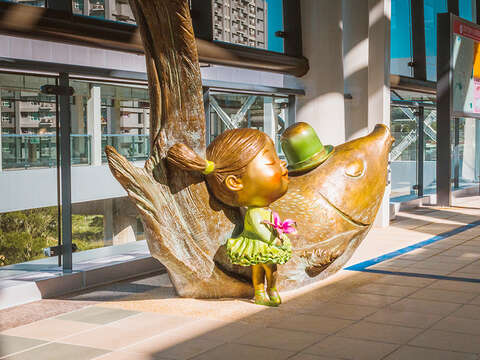
Jimmy's Public Art at Danhai Light Rail (2)
Category :
Senior citizen
Travel days :
1 day
適合對象 :
Public & Family & The aged

推薦路線

Day

      Introduction

      Anchor point
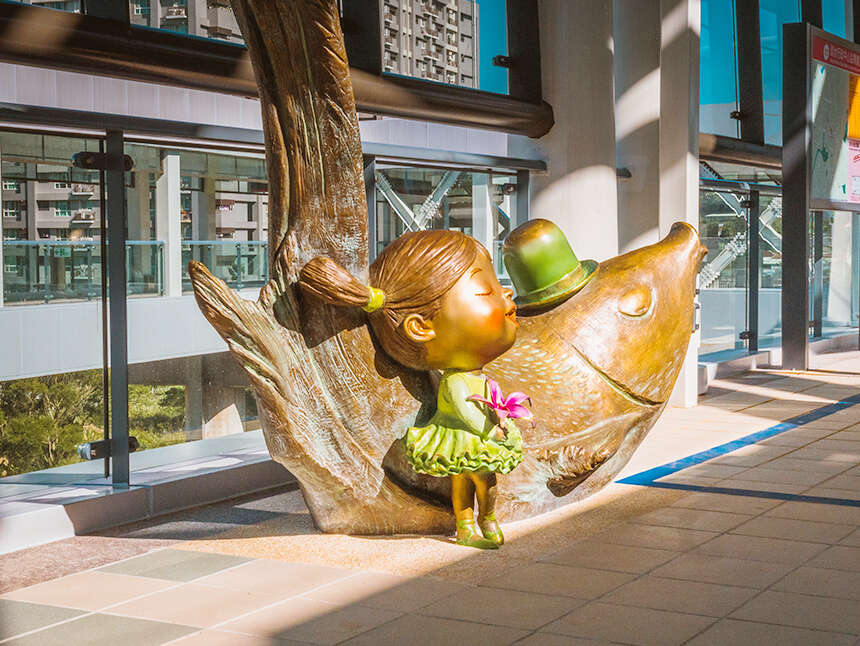
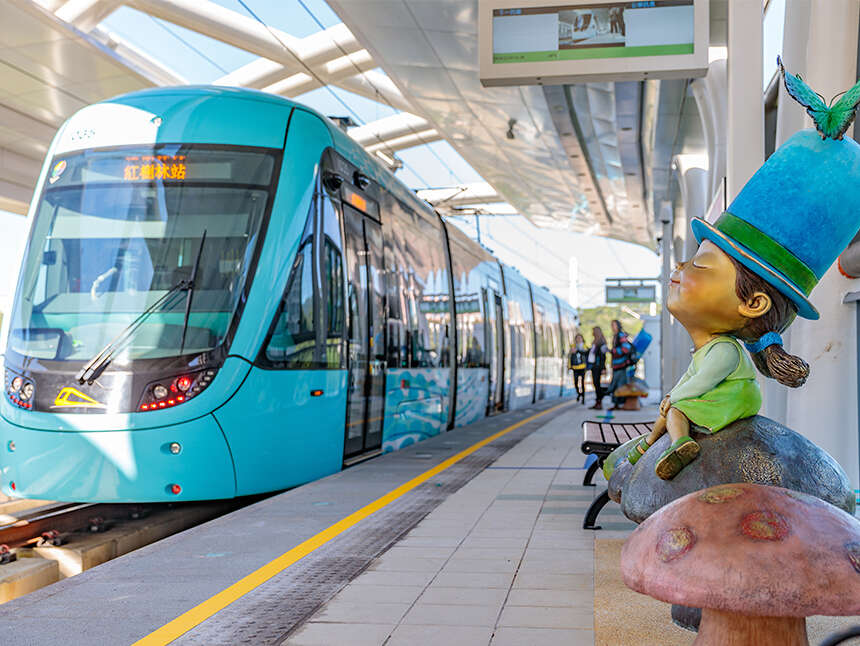
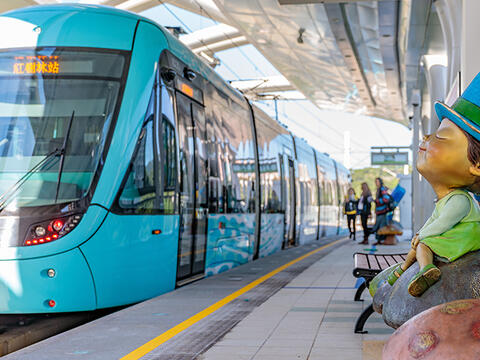
      The completion of the Light Rail allowed weekend jaunts with an additional region for exploration! Set out from Xinshi 1st Rd. Station (V06) with friends and family, where one will be attracted by Jimmy’s public art at Danhai Light Rail upon exiting the station, there are also different splendid installations along the light rail platform!Jimmy's Public Art at Danhai Light Rail
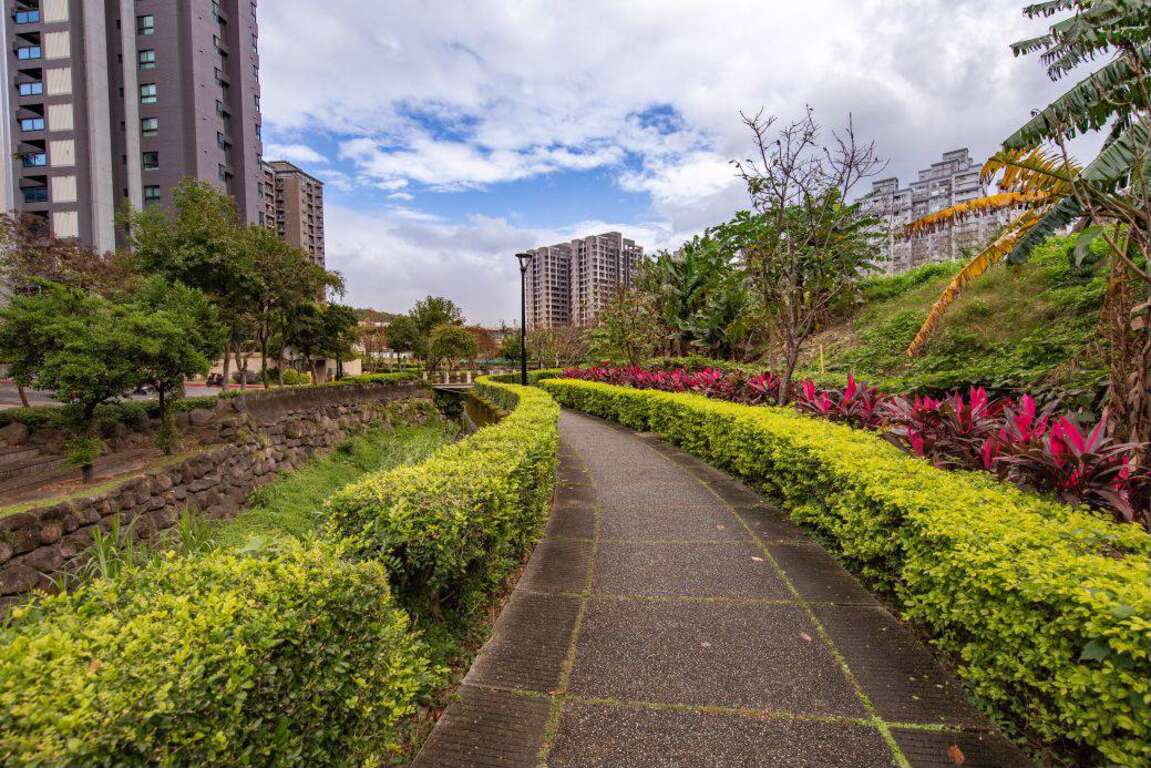
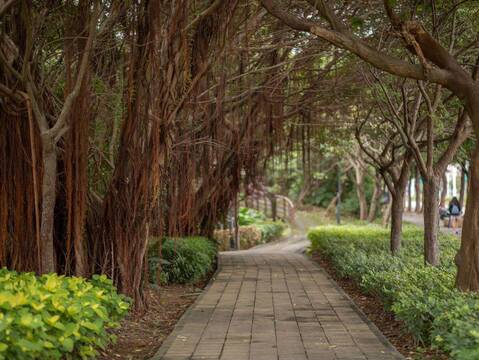
      You can then walk to the Little River Hot Pot restaurant in the periphery, where the clean and comfortable in-store dining ambience together with the food ingredients directly delivered from the place of production in collaboration with small farmers in Taiwan allow one to eat healthy without concerns. After the meal, take a walk to the Beitouzi River Cherry Blossom Wood Trail, where close to a hundred Yoshino Cherry trees flourish prosperously in March of every year, often attracting visitors here to take photos and the trail without cherry blossoms is also the first choice of the neighboring residents for taking a walk.Beitouzi River Cherry Blossom Wood Trail
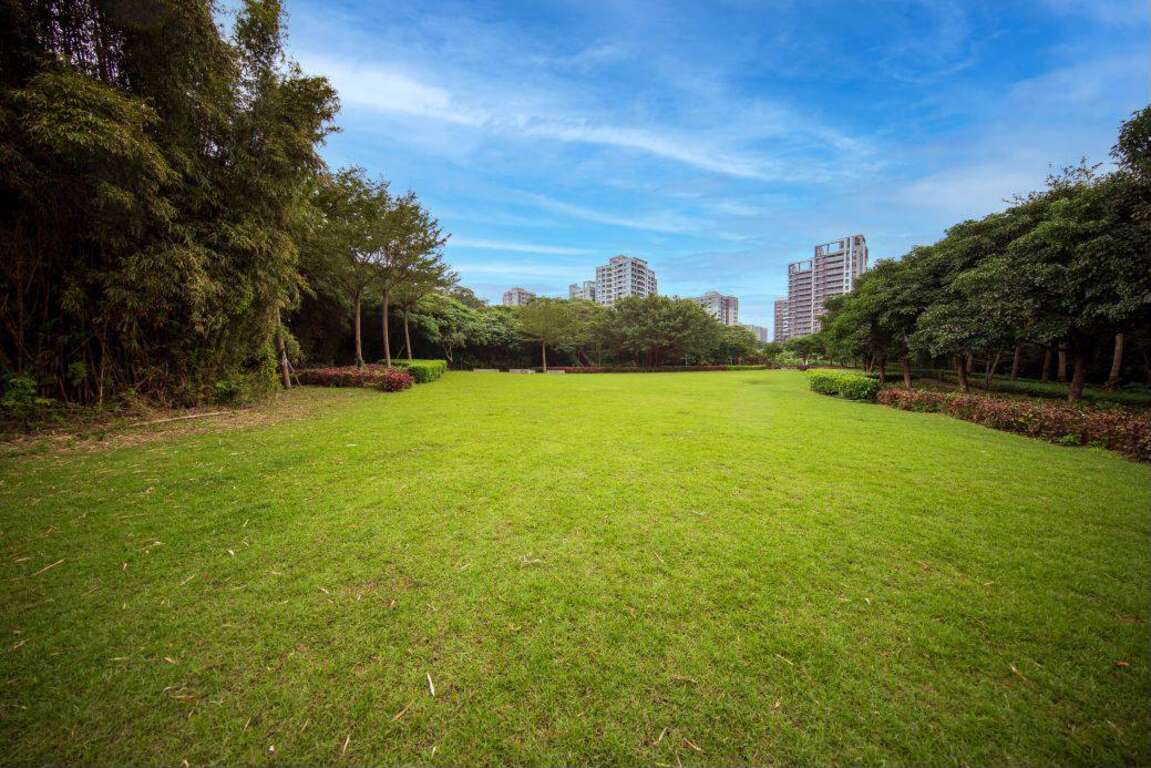
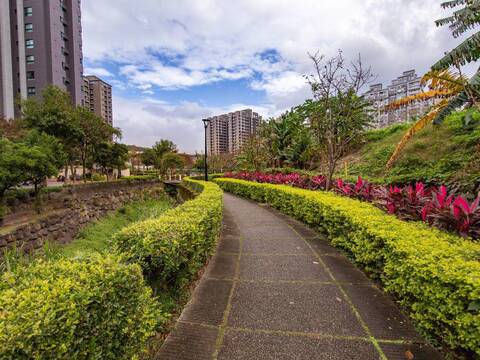
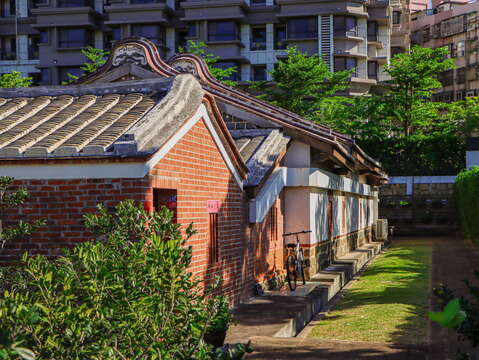
      You can then follow the road to arrive at the New Town characteristic Children’s Park, where children can have fun with the playground equipment and spend their energy, while adults can also use the exercise facilities on the side with added fun! Afterwards, you can ride on the Light Rail to arrive at the Gongqi Nature Park, where you can picnic and enjoy a simple afternoon tea on the large grasslands. After taking a small break, you can then head for the Cheng Family Abode in the vicinity, follow the traces of the traditional house, feel the changes of time to experience loads of memories.Gongqi Nature Park
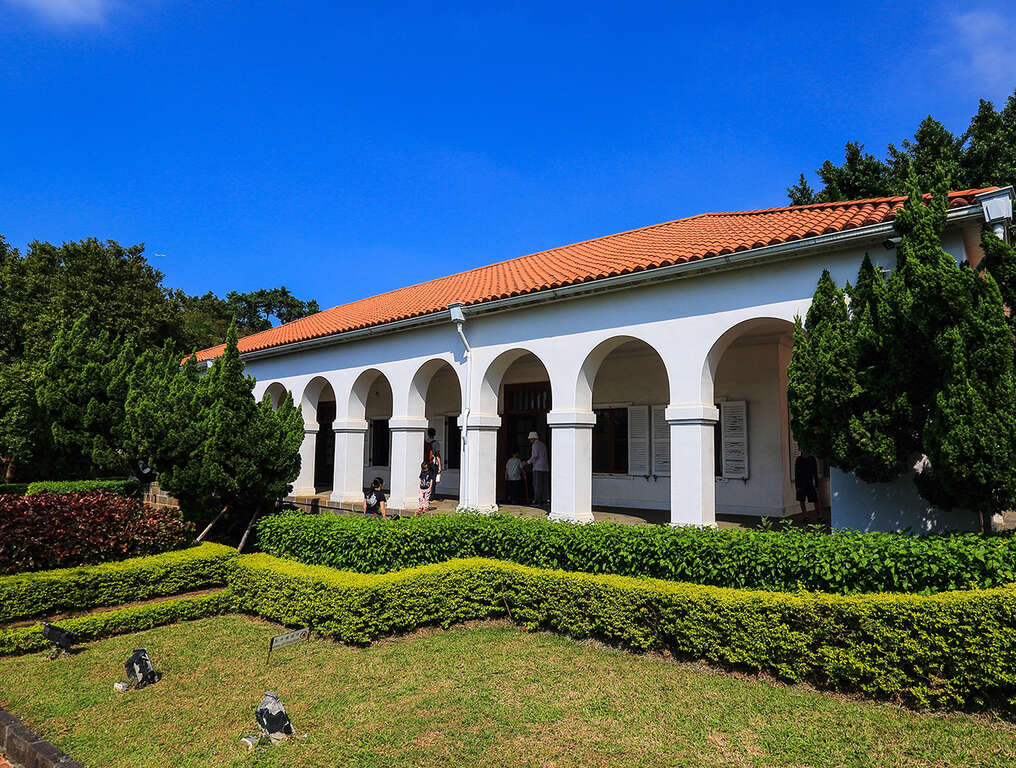
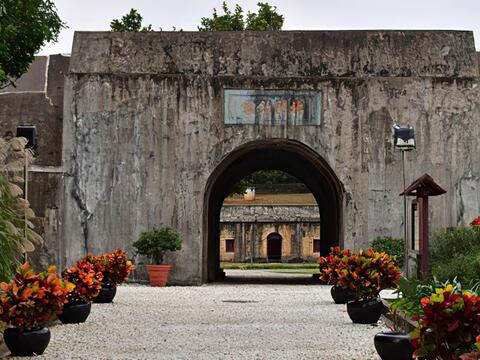
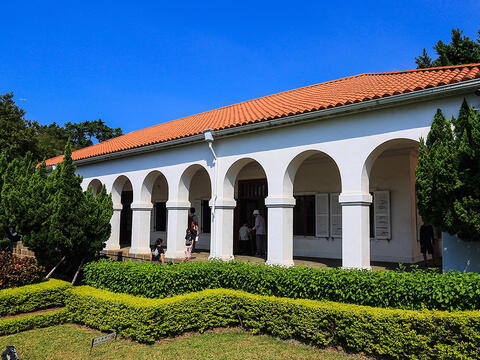
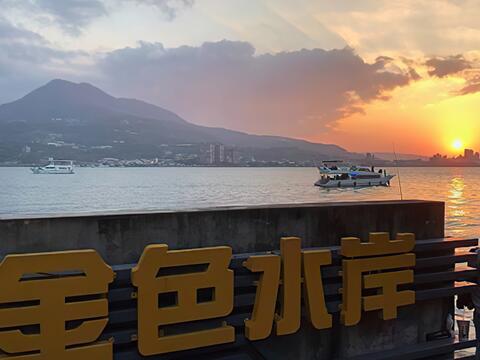
      In the end, wrap up the day with the two popular tourist attractions of Huwei Fort Park and the Little White House, where a vast field of vision and magnificent sceneries can be enjoyed when looking far into the Tamsui River from the Little White House. This will be a productive and splendid day regardless of the distances walked!Tamsui Customs Officer's Residence ( Little White House )
      day01
        Previous
        Visiting Qitang Old Street
        In 1889, Taiwan's first railway was under construction at full speed between Keelung and Taipei. Railway construction workers discovered glittering gold dust in the river in today's Qidu area of Keelung. Those who are seeking wealth traced the river upstream, and eventually found the outcrop of gold vein in Xiaojingua and Dajingua, which kickstarted the gold mining era of Northern Taiwan. The previously quiet Jinguashi and Jiufen therefore entered their golden years. Until 1987, Taiwan Metal Mining Corporation closed the mining business and drew an end to Jinguashi's hundred-year mining history.Different from the strong commercial vibes of Jiufen, after the mining activities ended, Jinguashi became an isolated and quiet little mountain town. The buildings scattered among the emerald hills, the huge Guangong statue guarding the area, and the occasionally seen hikers in the alleys represent the present life of Jinguashi."Let us never forget." During World War II, Jinguashi was once used as a Japanese war prisoner camp. The locals called it "Dubiziliao," which meant the place where foreign prisoners were held. These prisoners of war in Southeast Asia were from Britain, the US, Canada, New Zealand, Australia, South Africa, and the Netherlands. During their imprisonment, they mined copper here under poor living conditions. Most of them did not survive the war and died in Jinguashi. In 1997, Taiwan POW Memorial and Peace Park opened to commemorate the war. "Freedom is not free" reminds the world that peace and prosperity are not easy to come by.Qitang Old Street is an important street of Jinguashi. The old street built along the mountain is the main living circle of the miners in the early years. In its most prosperous period, 80,000 gold diggers gathered here! In addition to restaurants and grocery stores, there were entertainment venues such as jewelry shops, pool halls, and bars! During the Japanese Rule period, it was known as the "Jinguashi Ginza." After the gold mining era ended, the number of residents in Jinguashi plummeted to less than 2,000. Today, the once-bustling Qitang Old Street retains a strong nostalgic atmosphere. The renovated rainbow stairs have become a topic in social media, drawing the world's attention to this mining town in the mountains again.Follow the rainbow stairs up to Jinguashi Quanji Temple, also known as Qitang (Qi Hall). The temple has been built for more than 120 years. It is the belief center of Jinguashi, dedicated to worshiping the Holy Emperor Lord Guan. The most treasured object at Quanji Temple is the largest Guan Gong statue in Taiwan that is made of pure copper and 10.6 meters in height. This statue of Guan Gong reading Chunqiu (the Spring and Autumn Annals) and standing majestically at the high point of Jinguashi against the mountains and facing the sea is the most visible landmark of Jinguashi. It is also the patron saint, blessing generations of Jinguashi people.The 260-meter-high Baoshi Mountain is named after the timed horns here during the Japanese Rule period. From the parking lot of Quanji Temple, you can walk up along the hiking trail and reach the viewing platform in 10 minutes. Facing the sea, Yin-Yang Sea and the North Coast are all within your sight. Looking back at the mountains, you can see Teapot Mountain and Liukeng Slope Cableway right in front of your eyes, surrounded by greenery and between mountains and the sea.Teapot Mountain is the backbone of the Jinguashi area, with an elevation of 602 meters. When viewed from the Jinguashi side, the ore rock at the top of the mountain looks like a teapot without a handle, earning it the cute and memorable name of "earless teapot." Teapot Mountain Trail is the most popular hiking trail in Jinguashi. It takes about 30-50 minutes to reach the top of the mountain from the parking lot of Quanji Temple. It is the most beautiful view in Ruifang. With Keelung Mountain right in front of your eyes, the little town of Jinguashi, the winding roads under your feet, and the boundless blue sky and sea, this spectacular scenery can heal you from your stressful daily life."Asia's No. 1 precious metal mine" was the prestige Jinguashi enjoyed in the past. The settlements formed around gold and copper mines in the old days carried the dreams of countless gold diggers. After the demise of the mining industry, what remained unchanged is the beautiful scenery of mountains and seas. They remain the spiritual home of hikers and Jinguashi people.
        Next
        Art Realm New Taipei: Sanxia Slow One-Day Tour
        New Taipei City advances low-carbon tourism by emphasizing transportation, meals, and attractions, working to reduce travel emissions. Professional institutions calculate carbon footprints, and VCS-certified carbon credits are purchased to achieve sustainability. The Sanxia low-carbon tour begins at the environmental education site of Lujiaoxi Constructed Wetland, continues to TINA Kitchen eco-restaurant for healthy seasonal meals, proceeds to New Taipei City Art Museum for an art experience, and concludes with a guided walk through Sanxia Old Street to appreciate local cultural heritage.Spanning 16 hectares, Lujiaoxi Constructed Wetland sits at the confluence of Dahan River and its tributary Lujiao River. Once a landfill, the site was renovated by the New Taipei City High Riverbank Construction Management Office into a constructed wetland, becoming New Taipei's first on-site wastewater treatment facility certified by the Environmental Protection Administration .Using aquatic plants and natural purification methods, Lujiaoxi Wetland effectively improves Dahan River’s water quality through sedimentation, filtration, and biological absorption. The wetland attracts numerous bird species and amphibians, creating an excellent ecotourism destination. Environmental volunteers guide visitors through wetland plants—giant elephant’s ear, shell ginger, paper mulberry, fountain grass, flute reed, wild sugarcane, and silvergrass, and ecology.TINA Kitchen, near Yingge Ceramics Museum, embraces the "farm to table" philosophy, offering 16 main course options plus an extensive self-service bar featuring fresh vegetable salads, dessert breads, and various hot and cold teas and coffee—balancing flavor with health. The "Organic Yam" brand maintains its commitment to 'organic agriculture + organic food processing + organic living,' extending into organic bakeries and natural soap workshops, practicing environmentally conscious, organic lifestyles.New Taipei City Art Museum sits in Yingge, renowned for ceramic craftsmanship. Designed by architect Kris Yao, the silver-white structure takes inspiration from riverside reeds, expressing wind-swept movement through staggered vertical lines. Incorporating green building principles, the museum uses expansive glass to draw natural light inside while balancing ventilation and insulation, creating comfortable viewing conditions. The extensive outdoor grounds provide habitat for numerous Taiwan-endemic species, establishing the museum as a significant New Taipei landmark combining aesthetics with environmental consciousness.Follow the Can Culture, Art & Nature on a guided walk through Sanxia Old Street. This 260-meter street winds S-shaped along Sanxia River. In earlier times, a light railway transported tea and coal from Sanxia's hills. Most existing street houses date back a century. Continuous red-brick arcades and baroque archways create Sanxia Old Street's distinctive character. Examining the facades reveals intricate decorative styles—each building's gable and nameplate designs contain unique architectural language, made more vivid through the guide's commentary.Built in 1769, Sanxia Qingshui Zushi Temple underwent reconstruction led by art master Li, Mei-shu, incorporating works by craftsmen from various schools and contemporary artists. It's acclaimed as the "Oriental Art Palace." The guide leads visitors through the temple's elaborate caisson ceilings, vibrant cut-and-paste decorations, and exquisitely carved stone pillars.The Can’s Haksip Village sits beside Sanxia Old Street. Originally Alin Hospital founded in 1947, it transformed into a local revitalization hub starting in 2017, earning recognition as one of the Ministry of Culture's Top 100 Cultural Bases. Haksip Village takes its name from Taiwanese for "collective learning," connecting craft artisans, specialty food merchants, community schools, and corporate partners to build community support networks.The village hosts Hidekawa Fermentation Workshop and Tofu House, Sanyi Metalworking, Shike Studio, and Grass Book House. Hidekawa uses non-GMO domestic soybeans contract-farmed from the Jianan Plain to produce tofu products and miso, reducing food miles. Sanyi Metalworking and Shike Studio preserve and advance traditional crafts while offering hands-on experiences in metalworking, wood carving, and gold hammering techniques. Experience Haksip’s collaborative spirit in the village, and try Hidekawa’s tofu ice cream combining Sanxia Biluochun tea with domestic soybeans—tea and bean fragrances intertwining as the tour concludes.The "Art Realm New Taipei: Sanxia Slow One-Day Tour" meets the Ministry of Environment's "Green Tourism" standards and appears on the "Green Lifestyle” information platform. Carbon footprint calculations show this tour produces 10.2 kg CO2e per person.
        Read more