Go to the main content section Anchor point

New Taipei City Travel

Xinzhuang Temple Street One-Day Trip

Anchor point
Category :
Nostalgic tour of the old street
Travel days :
1 day
適合對象 :
Public

推薦路線

Day

      Introduction

      Anchor point
      With its history of more than 300 years, Xinzhuang Old Street is a microcosm of Taiwan's contemporary history. Behind the bustling tourist night market, there are so many historic temples, quaint old shops, and alleys with historical traces hidden in them.

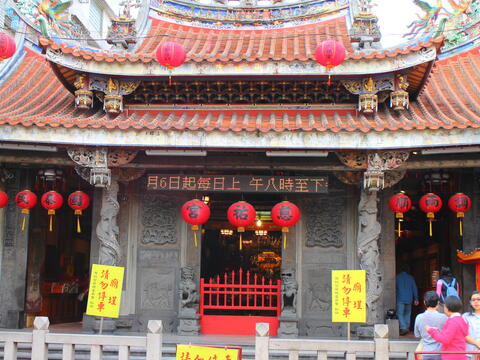
      Xinzhuang Dizang Temple, an important religious center filled with strong incense, was founded in the Qing Dynasty, so the temple has been around for a long time. It has not only held annual religious events in Xinzhuang but has also served as an important meeting point for all Xinzhuang people, where youth make new memories and the elderly look back at shared memories.

      From Zhongzheng Road it is about eight-minute minute walk to Xiangrenhe Bell and Drum Factory. With a history of more than half a century, this factory’s products are praised for their quality. Besides exhibiting various drums from other countries in the museum, the factory also displays the rare drum-making process, allowing visitors to experience the master's dedication to this traditional craft.

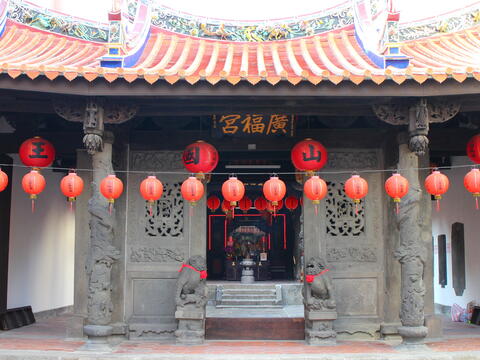
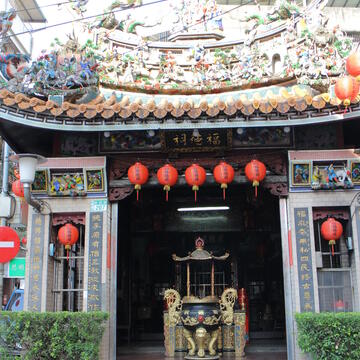
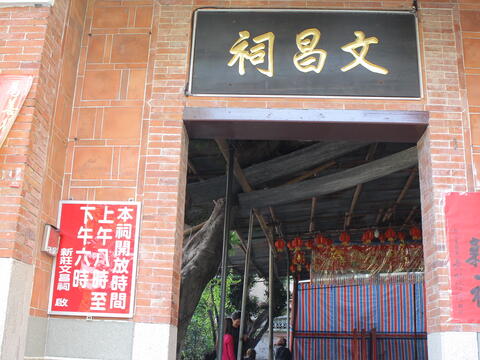
      You may also pay visits to Guangfu Temple, Fude Temple, Wenchang Temple, Ciyou Temple, Chaojiang Temple and other shrines and temples along the way. The name of Mishixiang stems from the dockworkers carrying bags of rice. The last step is the iron forging workshop, an old shop inside the Xinzhuang Temple Street, where knives are made the traditional way to this day. The store will also teach customers the correct way to use and maintain them!
      day01
        Previous
        Visiting Qitang Old Street
        In 1889, Taiwan's first railway was under construction at full speed between Keelung and Taipei. Railway construction workers discovered glittering gold dust in the river in today's Qidu area of Keelung. Those who are seeking wealth traced the river upstream, and eventually found the outcrop of gold vein in Xiaojingua and Dajingua, which kickstarted the gold mining era of Northern Taiwan. The previously quiet Jinguashi and Jiufen therefore entered their golden years. Until 1987, Taiwan Metal Mining Corporation closed the mining business and drew an end to Jinguashi's hundred-year mining history.Different from the strong commercial vibes of Jiufen, after the mining activities ended, Jinguashi became an isolated and quiet little mountain town. The buildings scattered among the emerald hills, the huge Guangong statue guarding the area, and the occasionally seen hikers in the alleys represent the present life of Jinguashi."Let us never forget." During World War II, Jinguashi was once used as a Japanese war prisoner camp. The locals called it "Dubiziliao," which meant the place where foreign prisoners were held. These prisoners of war in Southeast Asia were from Britain, the US, Canada, New Zealand, Australia, South Africa, and the Netherlands. During their imprisonment, they mined copper here under poor living conditions. Most of them did not survive the war and died in Jinguashi. In 1997, Taiwan POW Memorial and Peace Park opened to commemorate the war. "Freedom is not free" reminds the world that peace and prosperity are not easy to come by.Qitang Old Street is an important street of Jinguashi. The old street built along the mountain is the main living circle of the miners in the early years. In its most prosperous period, 80,000 gold diggers gathered here! In addition to restaurants and grocery stores, there were entertainment venues such as jewelry shops, pool halls, and bars! During the Japanese Rule period, it was known as the "Jinguashi Ginza." After the gold mining era ended, the number of residents in Jinguashi plummeted to less than 2,000. Today, the once-bustling Qitang Old Street retains a strong nostalgic atmosphere. The renovated rainbow stairs have become a topic in social media, drawing the world's attention to this mining town in the mountains again.Follow the rainbow stairs up to Jinguashi Quanji Temple, also known as Qitang (Qi Hall). The temple has been built for more than 120 years. It is the belief center of Jinguashi, dedicated to worshiping the Holy Emperor Lord Guan. The most treasured object at Quanji Temple is the largest Guan Gong statue in Taiwan that is made of pure copper and 10.6 meters in height. This statue of Guan Gong reading Chunqiu (the Spring and Autumn Annals) and standing majestically at the high point of Jinguashi against the mountains and facing the sea is the most visible landmark of Jinguashi. It is also the patron saint, blessing generations of Jinguashi people.The 260-meter-high Baoshi Mountain is named after the timed horns here during the Japanese Rule period. From the parking lot of Quanji Temple, you can walk up along the hiking trail and reach the viewing platform in 10 minutes. Facing the sea, Yin-Yang Sea and the North Coast are all within your sight. Looking back at the mountains, you can see Teapot Mountain and Liukeng Slope Cableway right in front of your eyes, surrounded by greenery and between mountains and the sea.Teapot Mountain is the backbone of the Jinguashi area, with an elevation of 602 meters. When viewed from the Jinguashi side, the ore rock at the top of the mountain looks like a teapot without a handle, earning it the cute and memorable name of "earless teapot." Teapot Mountain Trail is the most popular hiking trail in Jinguashi. It takes about 30-50 minutes to reach the top of the mountain from the parking lot of Quanji Temple. It is the most beautiful view in Ruifang. With Keelung Mountain right in front of your eyes, the little town of Jinguashi, the winding roads under your feet, and the boundless blue sky and sea, this spectacular scenery can heal you from your stressful daily life."Asia's No. 1 precious metal mine" was the prestige Jinguashi enjoyed in the past. The settlements formed around gold and copper mines in the old days carried the dreams of countless gold diggers. After the demise of the mining industry, what remained unchanged is the beautiful scenery of mountains and seas. They remain the spiritual home of hikers and Jinguashi people.
        Next
        Travel to Jinshan Old Street
        Jinshan is located in the northeast hill of the Datun Mountain System, and is surrounded by volcanic terrain on three sides. The volcanic plain is composed of the alluvium by Sulfur Creek, Jinbaoli River, and other streams, which makes Jinshan get the edge on agriculture on account of fertile soils. Jinshan has been the major transportation route in the north coast since ancient times. There was the Jinbaoli Trail (Yulu Historical Trail) in the past, and there is the current Yangjin Highway. Jinshan is the most prominent route to go to Taipei City from the north coast, which is also what lead to its development and prosperity.Jinshan Old Street, also known as Jinbao Li Old Street, is a 200-meter-long street that has been the busiest commercial center on the north coast of Taiwan since the Qing Dynasty. Nearby local residents from Shimen and Wanli District come shopping and do business. You can find many special cuisines made from Jinshan’s specialties at Jinshan Old Street, such as giant sweet potato and taro balls, taro rice cakes (a traditional snack), candied sweet potatoes, fruit ice cream, and the renowned Guang’an restaurant whose buffet culture has become a unique sight on Jinshan Old Street. If that is not enough, the handmade Ma Lao, Taiwanese egg rolls, and sweet potato crisps are all recommended Jinshan’s souvenirs, whether you would like to send them to your friends or bring them home for a taste.The First Public Retail Market Jinshan was founded at Zhongshan Road during the Japanese colonial period. The local specialties in Jinshan like Tiaohshi taros, water bamboo shoots, red-centered yams, arrowhead bamboo shoots, and other vegetables are sold according to the season. Due to its unique sea-facing volcanic soil, Jinshan is famous for its Tiaohshi taros with their firmed texture and a chewy touch as well as Tainong No. 66 red sweet potatoes with their silky texture.In the early years, the development of the markets and the old streets occurred near the temples, as was the case for Jinshan Old Street. The Cihu Temple is the religious center in the Jinshan area, and is known as “The Great Temple” by the locals who mainly visit to worship the gold-face deity Mazu. During the Jiaqing period of the Qing Dynasty, local fishermen found a statue of Mazu in a sea cave in Yehliu when the tide was low. Therefore, they built the Cihu Temple to worship Mazu and she was considered the founding Mazu. Later, the temple rebuilt a statue of Mazu and hollowed out the back to put the founding Mazu inside. This new Mazu was regarded as the second Mazu. As a result, this became the one and only legend of “Mazu in Mazu” in Taiwan. Every year, the Mazu pilgrimage will go back to that sea cave in Yehliu, which was first discovered by the fishermen. This is without a doubt one of the most popular events in Jinshan.Shitoushan Park is located on the 70-meter-altitude Jinshan cape, which is 800 meters away from Cihu Temple, making it a suitable place to walk to after visiting the old street and finishing a meal. Shitoushan Park has been designated as a military control zone for years, and the general public is not allowed to enter at will, which unintentionally preserves an abundant ecological environment. In different seasons, you can see the Formosa lilies and the golden lycoris blooming beside the trail. Standing at the high point of the park, looking to the east you can see the famous Yehliu geopark; looking to the west you can see the Huanggang fishing harbor, which is famous for their “sulfuric fire fishing” technique; looking to the front, you can see the Twin Candle Islets. In sunny weather, the endless stretch of blue blends the boundary between the sea and the sky.“That year, the woman who couldn't wait for her husband to return from the sea turned into a rock. Later, the husband saw his wife turned into stone after returning from his travels. Eventually, he turned into a stone pillar out of desperation and grief, so that they could stay with each other forever.” This is the poignant background story of the 60-meter-high stacks on the Twin Candlestick Islets, which were created by tectonic plate movement and erosion by the sea wind. The extraordinary shape of mutual dependence has attracted countless couples and photographers, and is a popular photography spot in Jinshan.After enjoying the boundless and stunning seascape, you can go to the redeveloped Zhongshan Hot Spring Park to enjoy the best natural resources of Jinshan: hot springs. The Jinshan hot spring is the northernmost hot spring on Taiwan’s main island; its springs are divided into four categories: sulfur salt springs, sulfur springs, carbonated springs, and iron springs. The Zhongshan Hot Spring Park, which is open to the public free of charge, is a golden-brown iron spring known as the "Golden Soup". Soak your feet in the hot springs of the park, which has won the Taiwan Landscape Award, to eliminate fatigue, soothe your mind and body, and bring a perfect ending to your day trip.
        Read more
        Back to the top of page
        小客帶路