Go to the main content section Anchor point

New Taipei City Travel

The mountain town full of stories and photo opportunities

Anchor point
The mountain town full of stories and photo opportunities
Category :
Route 2 Taiwan-Cycling Routes
Travel days :
1 day
適合對象 :
Public

推薦路線

Day

      Introduction

      Anchor point

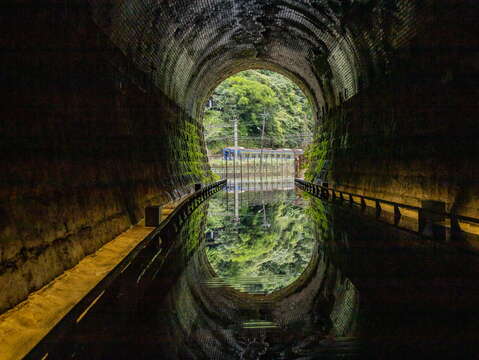
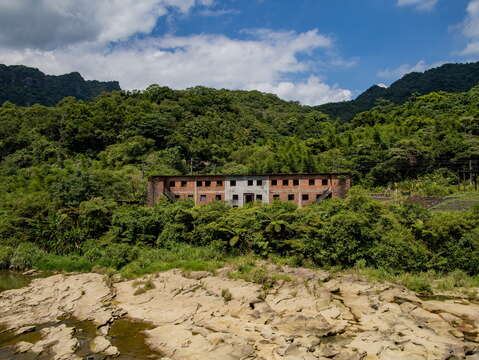
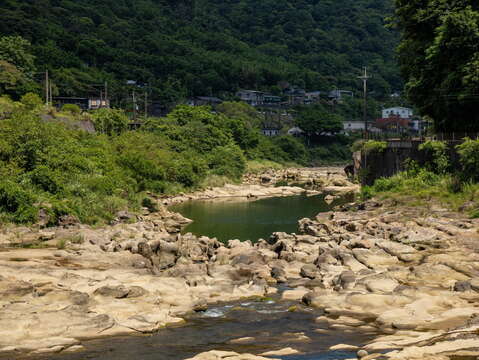
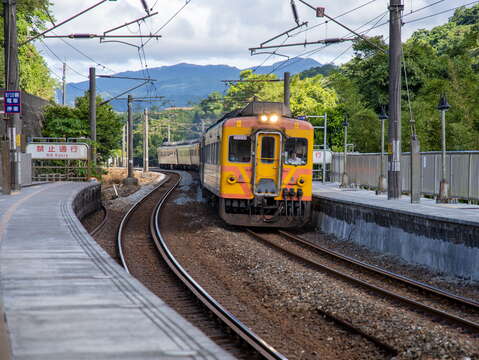
      Mudan Station is not to be missed by railway fans. The gorgeous curves where the trains turn make a beautiful scene that can be captured by anyone and look like it is coming straight out of a music video. Hop on your bike, go through the Sandiaoling Tunnel which has been in deep sleep for 35 years, and witness the rise and fall of the coal mining industry. Take a peek at the pothole known as a “stone dimple.” Even the cats in the village are trying to make you stay here for longer.
      Previous
      Banqiao Rainbow Umbrella + Social media check-in at Little Prince mural. Take a shot of beautiful 8 at Crescent Bridge.
      Banqiao is truly filled with bloggers’ photo hot spots! Guangzheng Street near Banqiao Train Station is also known as “brunch street”, which offers many popular brunch places that are not only all distinctive, delicious, and great photo spots, but are also fully packed every weekend. After enjoying some delectable afternoon tea, head to Banqiao 435 Art Zone, where the rainbow umbrella installation art is a popular social media check-in spot widely known among bloggers; and now there is a newly open secret check-in spot nearby! Nanzigou Pumping Station located at Huanhe West Road has been partially rebuilt and transformed into a biker rest stop. An adorable Little Prince and the little fox are drawn on the wall; hold up the one and only rose and take a picture with it– it will be as fantastical as landing on planet B612! Then, come to Crescent Bridge where you can take more beautifully dreamy picture. You think you got good photo-taking skills?! Then come and take a shot of beautiful reflected 8! For the last stop, let’s end with a great meal – Xinzhuang Temple Street Night Market that is approximately 5-minute walk from Crescent Bridge is a historical night market that you should not miss! The area had once been a bustling gathering place for business people, so there are many historic temple sites and eateries nearby – Taiwanese spring roll, starchy meat soup, and pork blood soup are all reasonably priced with big portions, so you will definitely be full and satisfied!
      Next
      Visiting Qitang Old Street
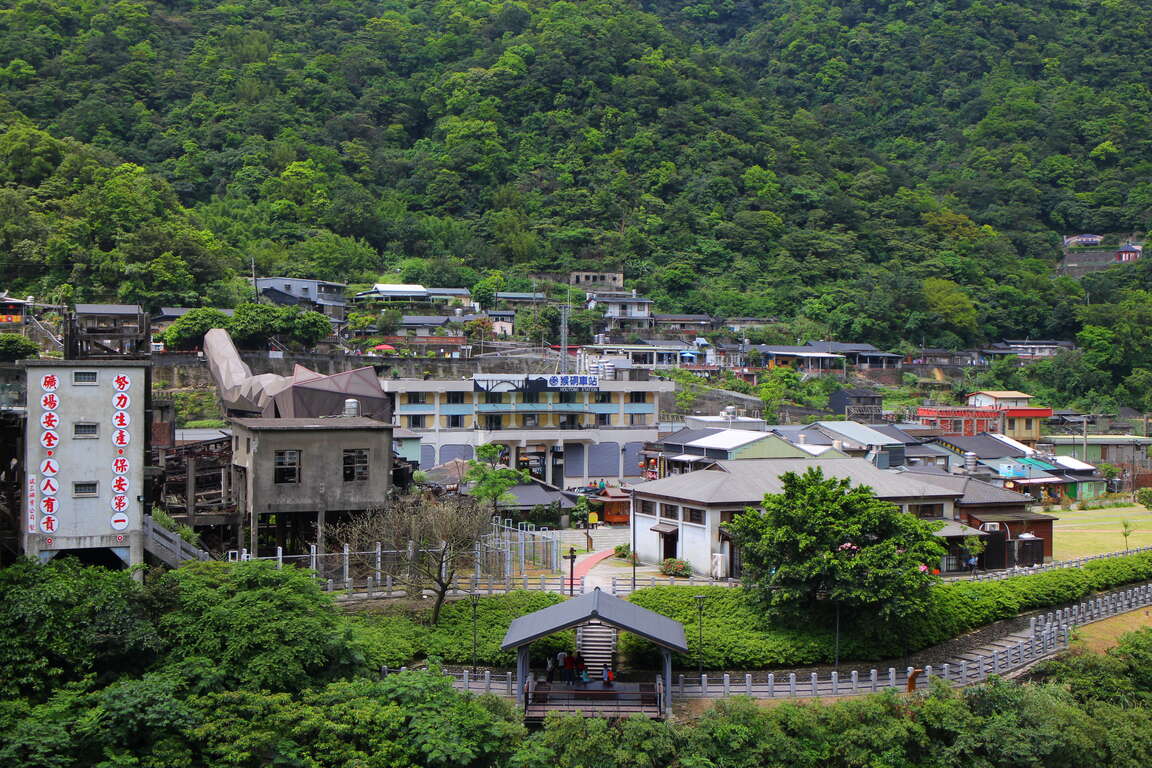
      In 1889, Taiwan's first railway was under construction at full speed between Keelung and Taipei. Railway construction workers discovered glittering gold dust in the river in today's Qidu area of Keelung. Those who are seeking wealth traced the river upstream, and eventually found the outcrop of gold vein in Xiaojingua and Dajingua, which kickstarted the gold mining era of Northern Taiwan. The previously quiet Jinguashi and Jiufen therefore entered their golden years. Until 1987, Taiwan Metal Mining Corporation closed the mining business and drew an end to Jinguashi's hundred-year mining history.Different from the strong commercial vibes of Jiufen, after the mining activities ended, Jinguashi became an isolated and quiet little mountain town. The buildings scattered among the emerald hills, the huge Guangong statue guarding the area, and the occasionally seen hikers in the alleys represent the present life of Jinguashi."Let us never forget." During World War II, Jinguashi was once used as a Japanese war prisoner camp. The locals called it "Dubiziliao," which meant the place where foreign prisoners were held. These prisoners of war in Southeast Asia were from Britain, the US, Canada, New Zealand, Australia, South Africa, and the Netherlands. During their imprisonment, they mined copper here under poor living conditions. Most of them did not survive the war and died in Jinguashi. In 1997, Taiwan POW Memorial and Peace Park opened to commemorate the war. "Freedom is not free" reminds the world that peace and prosperity are not easy to come by.Qitang Old Street is an important street of Jinguashi. The old street built along the mountain is the main living circle of the miners in the early years. In its most prosperous period, 80,000 gold diggers gathered here! In addition to restaurants and grocery stores, there were entertainment venues such as jewelry shops, pool halls, and bars! During the Japanese Rule period, it was known as the "Jinguashi Ginza." After the gold mining era ended, the number of residents in Jinguashi plummeted to less than 2,000. Today, the once-bustling Qitang Old Street retains a strong nostalgic atmosphere. The renovated rainbow stairs have become a topic in social media, drawing the world's attention to this mining town in the mountains again.Follow the rainbow stairs up to Jinguashi Quanji Temple, also known as Qitang (Qi Hall). The temple has been built for more than 120 years. It is the belief center of Jinguashi, dedicated to worshiping the Holy Emperor Lord Guan. The most treasured object at Quanji Temple is the largest Guan Gong statue in Taiwan that is made of pure copper and 10.6 meters in height. This statue of Guan Gong reading Chunqiu (the Spring and Autumn Annals) and standing majestically at the high point of Jinguashi against the mountains and facing the sea is the most visible landmark of Jinguashi. It is also the patron saint, blessing generations of Jinguashi people.The 260-meter-high Baoshi Mountain is named after the timed horns here during the Japanese Rule period. From the parking lot of Quanji Temple, you can walk up along the hiking trail and reach the viewing platform in 10 minutes. Facing the sea, Yin-Yang Sea and the North Coast are all within your sight. Looking back at the mountains, you can see Teapot Mountain and Liukeng Slope Cableway right in front of your eyes, surrounded by greenery and between mountains and the sea.Teapot Mountain is the backbone of the Jinguashi area, with an elevation of 602 meters. When viewed from the Jinguashi side, the ore rock at the top of the mountain looks like a teapot without a handle, earning it the cute and memorable name of "earless teapot." Teapot Mountain Trail is the most popular hiking trail in Jinguashi. It takes about 30-50 minutes to reach the top of the mountain from the parking lot of Quanji Temple. It is the most beautiful view in Ruifang. With Keelung Mountain right in front of your eyes, the little town of Jinguashi, the winding roads under your feet, and the boundless blue sky and sea, this spectacular scenery can heal you from your stressful daily life."Asia's No. 1 precious metal mine" was the prestige Jinguashi enjoyed in the past. The settlements formed around gold and copper mines in the old days carried the dreams of countless gold diggers. After the demise of the mining industry, what remained unchanged is the beautiful scenery of mountains and seas. They remain the spiritual home of hikers and Jinguashi people.
      Read more
      Back to the top of page
      小客帶路