Go to the main content section Anchor point

New Taipei City Travel

Run to the east with friends

Anchor point
Run to the east with friends
Category :
Route 2 Taiwan-Running
Travel days :
2 Days
適合對象 :
Public

推薦路線

Day

      Introduction

      Anchor point

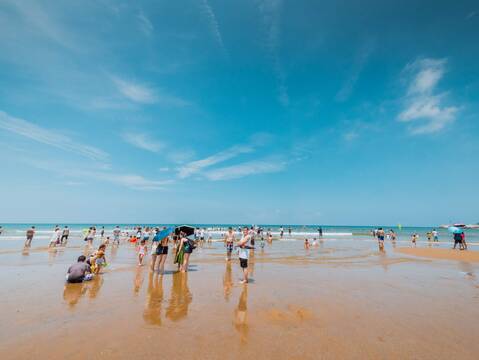
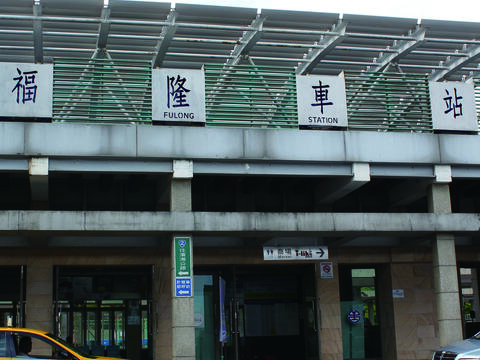
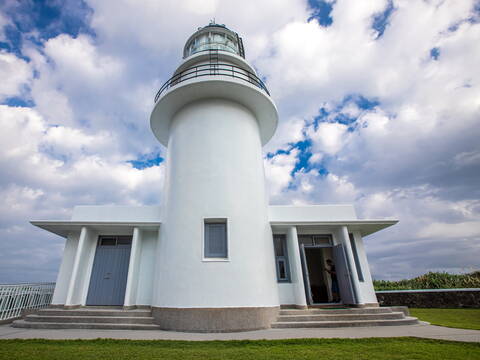
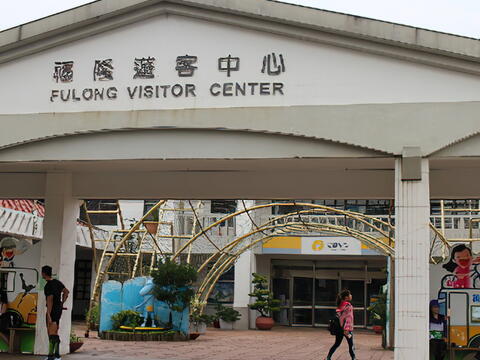
      Have a crazy summer with a two-day trip to the beach of New Taipei! On the first day, head to Fulong for the vast sea. Fulong Inland River is wide and calm, making it an excellent place for beginners to try windsurfing. Around noon, you must have the renowned Fulong Bento (lunchbox). After taming your hunger, rent a bicycle with your friends and conquer Sandiaojiao Lighthouse on the east and enjoy the beautiful sunset!

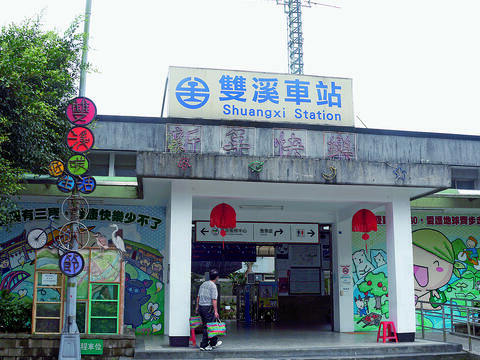
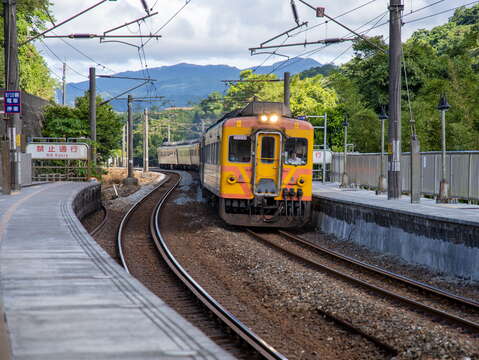
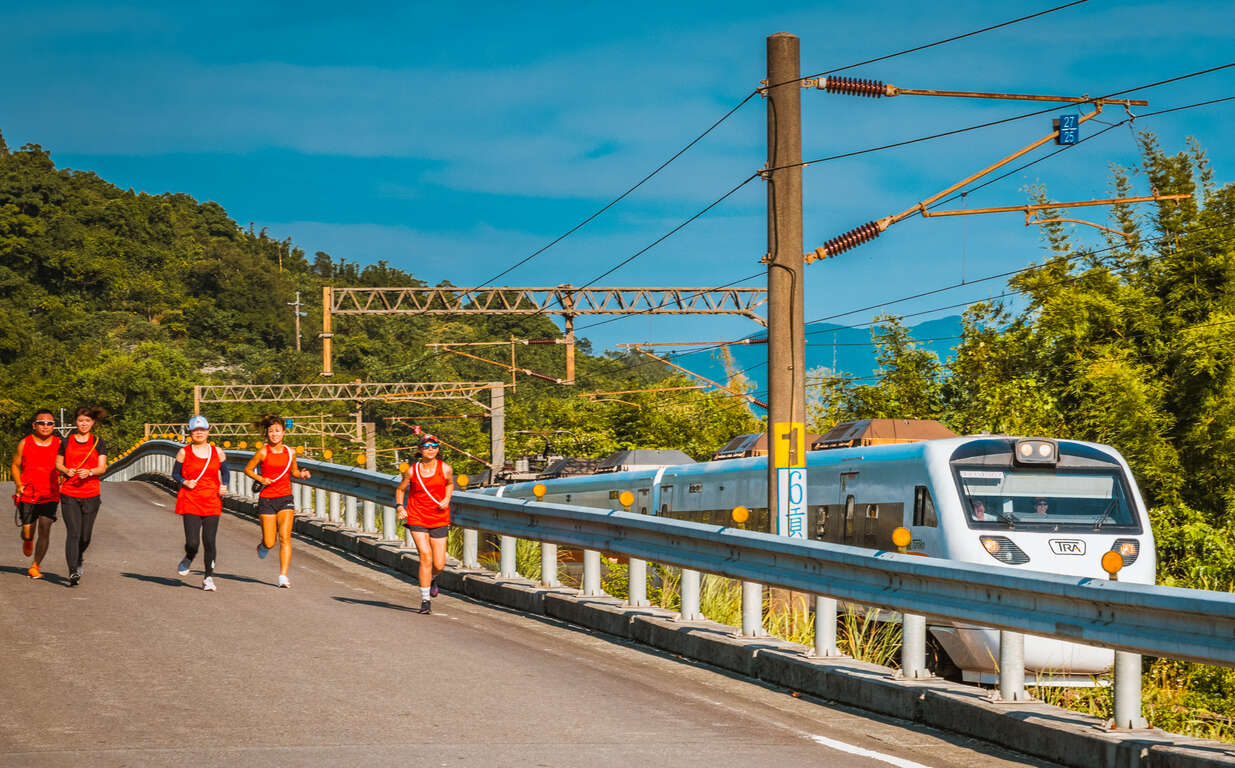
      On the second day you must be at full throttle. Have a relay race against the train to improve your teamwork. Runners can fully enjoy the beautiful scenery along Route 2 Taiwan. In the afternoon, head down to Shuangxi Old Street for delicious food to replenish your energy. End the trip with a nice cup of aromatic coffee.

      ※Refer to the announcements by New Taipei City Government for the dates of New Taipei City Railway Relay. 
        Previous
        Caoling Historic Trail – Youthful Gongliao Route lets you hike up to the mountains and down to the sea.
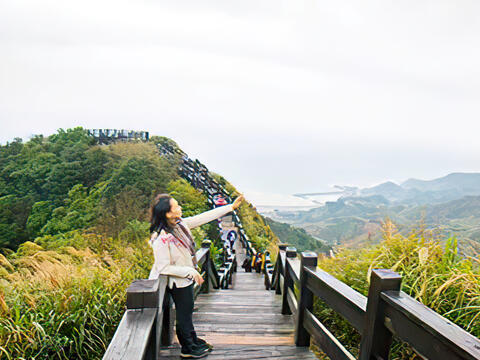
        Caoling Historic Trail is the most widely known section along the Tamsui Kavalan Trails. Along the way there are Xiongzhen Manyan Tablet, Tiger Tablet, and many other historic sites; setting off from the Historic Trail entrance and traveling all the way to Gongliao – it’s a great route to the mountains and the ocean both in one day! From Dali Train Station, tourists can enter the Historic Trail by passing by the Dali Visitor Center. The Trail is level and easy to walk along the way, and once arriving at Yakou Observation Deck visitors will also be able to spot Guishan Island in the distance. When visiting here in the fall, you will have the opportunity to appreciate the breathtaking beauty of blossoming snowy white silver grass. Once arriving at Yuanwangkeng Water Park, visitors can sit inside the wood gazebo to appreciate the small bridges, running streams, criss-crossed rice terraces, or they can also spend some relaxing time and play in the water at the shallow creeks. Walking from Yuanwangkeng Water Park to Yuanwangkeng entrance, visitors would take approximately 3.5 hours walking on the Trail itself. Beginner hikers can transfer via bus here to reach Fulong Train Station. Once arriving at Fulong Train Station, treat yourself with a hearty Fulong bento to cheer you up. Lastly, visitors can head to Fulong Beach on the way; in addition to playing in the water, Fulong Sand Sculpture Art Festival held here each summer will also offer visitors many awe-inspiring creative sand sculpture art works to enjoy! Even though walking the Trail won’t be too tiring, it is still recommended for the visitors to wear hiking boots to ameliorate stress when walking. Remember to drink water and also to bring your trekking pole – only thorough preparation will lead you to a safe hike into the mountains!
        Next
        Travel to Jinshan Old Street
        Jinshan is located in the northeast hill of the Datun Mountain System, and is surrounded by volcanic terrain on three sides. The volcanic plain is composed of the alluvium by Sulfur Creek, Jinbaoli River, and other streams, which makes Jinshan get the edge on agriculture on account of fertile soils. Jinshan has been the major transportation route in the north coast since ancient times. There was the Jinbaoli Trail (Yulu Historical Trail) in the past, and there is the current Yangjin Highway. Jinshan is the most prominent route to go to Taipei City from the north coast, which is also what lead to its development and prosperity.Jinshan Old Street, also known as Jinbao Li Old Street, is a 200-meter-long street that has been the busiest commercial center on the north coast of Taiwan since the Qing Dynasty. Nearby local residents from Shimen and Wanli District come shopping and do business. You can find many special cuisines made from Jinshan’s specialties at Jinshan Old Street, such as giant sweet potato and taro balls, taro rice cakes (a traditional snack), candied sweet potatoes, fruit ice cream, and the renowned Guang’an restaurant whose buffet culture has become a unique sight on Jinshan Old Street. If that is not enough, the handmade Ma Lao, Taiwanese egg rolls, and sweet potato crisps are all recommended Jinshan’s souvenirs, whether you would like to send them to your friends or bring them home for a taste.The First Public Retail Market Jinshan was founded at Zhongshan Road during the Japanese colonial period. The local specialties in Jinshan like Tiaohshi taros, water bamboo shoots, red-centered yams, arrowhead bamboo shoots, and other vegetables are sold according to the season. Due to its unique sea-facing volcanic soil, Jinshan is famous for its Tiaohshi taros with their firmed texture and a chewy touch as well as Tainong No. 66 red sweet potatoes with their silky texture.In the early years, the development of the markets and the old streets occurred near the temples, as was the case for Jinshan Old Street. The Cihu Temple is the religious center in the Jinshan area, and is known as “The Great Temple” by the locals who mainly visit to worship the gold-face deity Mazu. During the Jiaqing period of the Qing Dynasty, local fishermen found a statue of Mazu in a sea cave in Yehliu when the tide was low. Therefore, they built the Cihu Temple to worship Mazu and she was considered the founding Mazu. Later, the temple rebuilt a statue of Mazu and hollowed out the back to put the founding Mazu inside. This new Mazu was regarded as the second Mazu. As a result, this became the one and only legend of “Mazu in Mazu” in Taiwan. Every year, the Mazu pilgrimage will go back to that sea cave in Yehliu, which was first discovered by the fishermen. This is without a doubt one of the most popular events in Jinshan.Shitoushan Park is located on the 70-meter-altitude Jinshan cape, which is 800 meters away from Cihu Temple, making it a suitable place to walk to after visiting the old street and finishing a meal. Shitoushan Park has been designated as a military control zone for years, and the general public is not allowed to enter at will, which unintentionally preserves an abundant ecological environment. In different seasons, you can see the Formosa lilies and the golden lycoris blooming beside the trail. Standing at the high point of the park, looking to the east you can see the famous Yehliu geopark; looking to the west you can see the Huanggang fishing harbor, which is famous for their “sulfuric fire fishing” technique; looking to the front, you can see the Twin Candle Islets. In sunny weather, the endless stretch of blue blends the boundary between the sea and the sky.“That year, the woman who couldn't wait for her husband to return from the sea turned into a rock. Later, the husband saw his wife turned into stone after returning from his travels. Eventually, he turned into a stone pillar out of desperation and grief, so that they could stay with each other forever.” This is the poignant background story of the 60-meter-high stacks on the Twin Candlestick Islets, which were created by tectonic plate movement and erosion by the sea wind. The extraordinary shape of mutual dependence has attracted countless couples and photographers, and is a popular photography spot in Jinshan.After enjoying the boundless and stunning seascape, you can go to the redeveloped Zhongshan Hot Spring Park to enjoy the best natural resources of Jinshan: hot springs. The Jinshan hot spring is the northernmost hot spring on Taiwan’s main island; its springs are divided into four categories: sulfur salt springs, sulfur springs, carbonated springs, and iron springs. The Zhongshan Hot Spring Park, which is open to the public free of charge, is a golden-brown iron spring known as the "Golden Soup". Soak your feet in the hot springs of the park, which has won the Taiwan Landscape Award, to eliminate fatigue, soothe your mind and body, and bring a perfect ending to your day trip.
        Read more
        Back to the top of page
        小客帶路