Preparation for World Masters Games 2025 in Taipei and New Taipei City with Low Carbon Emission Bike Tour in Gongliao!
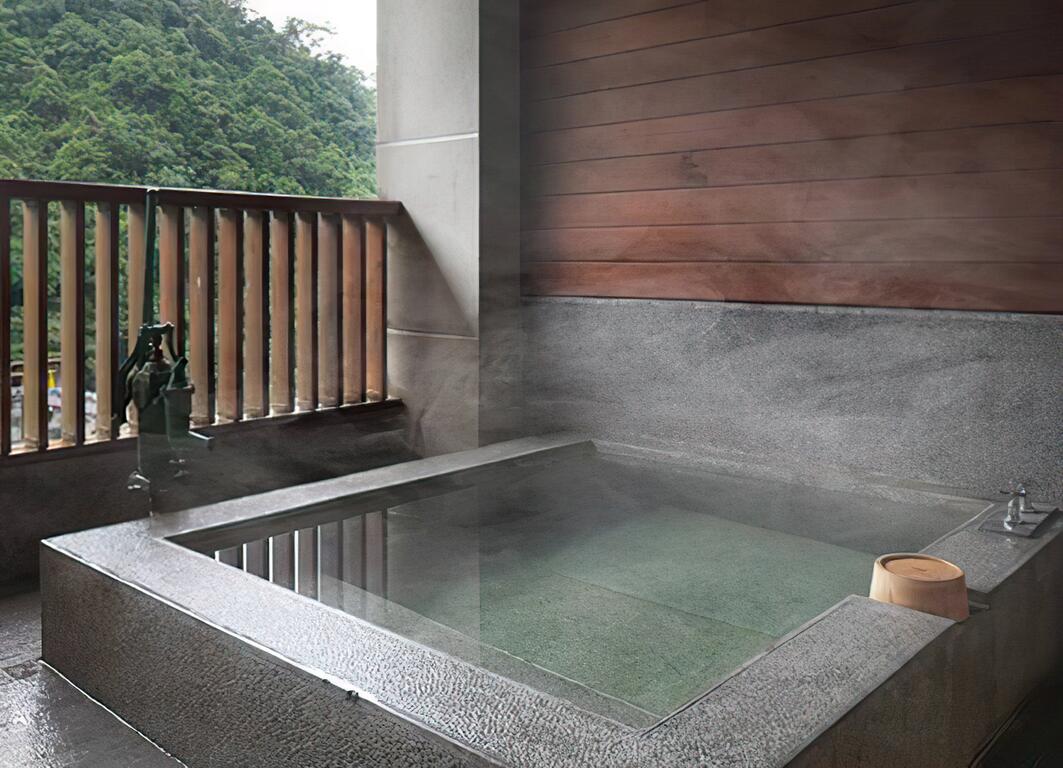
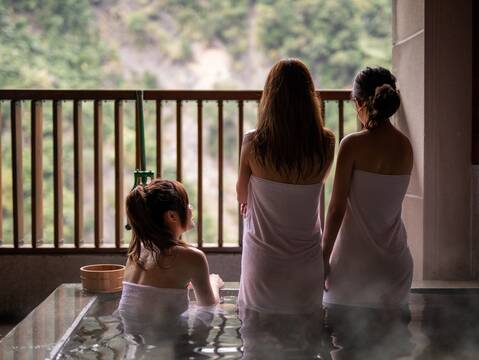
SPORTS beyond AGE|LIFE without LIMITSWorld Masters Games will be grandly held in New Taipei City and Taipei City in May, 2025, and contestants from over 100 countries will attend the sports event in the two cities. World Masters Games 2025 will be hosted by New Taipei City and Taipei City and co-hosted by Taoyuan City, Hsinchu County, Hsinchu City and Yilan County. 35 games are included in the sports event. People over 30 years of age can participate in the masters games to compete with the world and make like-minded friends.Gongliao District of New Taipei City will be the venue for the games of sailing and lifesaving of World Masters Games 2025. You can take Taiwan Railway to Fulong Station in Gongliao District and ride a bike on the challenging Old Caoling Circular Line and pass through Old Caoling Tunnel while listening to the music of Clinking Coins, a renowned folk song. You can bike along the coast to the easternmost point of Taiwan. Lastly, you can return to Fulong Beach and stay at a local hotel to enjoy hot springs and delicious food!Once you exit Fulong Train Station, you will be able to smell the delicious Fulong boxed lunch. Fulong boxed lunch enjoys equal fame with Chishang boxed lunch, and it is one of the famous boxed lunches sold by Taiwan Railway Administration. With the dishes of sliced pork, braised pork, sausage, cabbage, vegetable roll, braised egg, braised bean curd, fried meat roll, pickled vegetables and so on, the classic boxed lunch has been sold for over seven decades. Although the boxed lunch is no longer sold on the platform, several restaurants still sell boxed lunch in front of the train station. Hurry up and enjoy a Fulong boxed lunch in one of the restaurants.After regaining energy, we will face our challenge! We will rent a bicycle or an e-bike and enter Old Caoling Circular Bike Trail from Fulong Station. The total length of Old Caoling Circular Bike Trail is approximately 20 kilometers, and it takes about 2 hours to make a round trip by biking. You can ride through the Snow Mountain Range on the bike trail between the mountain and sea, and reach Sandiaojiao Lighthouse, the easternmost point of Taiwan, and East Park to check in on social media. Finally, we will directly arrive at Fulong Beach, a venue of World Masters Games.👉The total length of Old Caoling Circular Bike Trail is 20 kilometers, so please take your physical fitness into consideration. You can rent an e-bike if you think it is too strenuous for you to finish the entire trail by a regular bike. Please make sure you apply sunscreen and bring sufficient drinking water in summer before biking.“The train goes, chugga choo drip, into the tunnel…...” This is a catchy Taiwanese folk song. The term “tunnel” in this song refers to Old Caoling Tunnel which was open for use in 1924. It was the most critical construction of Yilan Line of Taiwan Railway, and it was 2,167 meters long. Old Caoling Tunnel that going through Snow Mountain Range greatly shortened the traffic time between New Taipei City and Yilan. The north entrance and south entrance of the tunnel were inscribed with Chinese calligraphy, “overcoming challenges to dig the tunnel” and “seeing a clear and boundless sky with clouds” at the New Taipei City end and Yilan end respectively to commemorate the hardship workers had faced in excavating the tunnel.Old Caoling Tunnel had retired after Taiwan Railway implemented the dual track system and electrification. Since 2008, the railway has been open for use as a bike trail. The trail still preserves railway tracks. To make it look more like a railway, lampshades for oil lamps are used to restore the appearance of a railway tunnel. It is interesting to bike in the old-fashioned Old Caoling Tunnel while listening to the music of “Clinking Coins.” There is a semicircular ring of light which marks the border of New Taipei City and Yilan in the middle part of the tunnel, and it is the most popular spot for check in in the tunnel!As the light gets brighter at the end of the tunnel, you can gradually see the immense Pacific Ocean. When waves crash against the cuesta, surf and Turtle Island make a perfect picture. You can bike on the bike trail along the mountain and sea toward the easternmost point of Taiwan.Lailai Coast Geological Area that stretches several hundred meters is the largest wave-cut platform of the Northeast Coast, and it is called the “Devil’s Washboard.” A wide variety of coastal terrains scatter on the wave-cut platform, such as the largest fire dragon rock in Taiwan and several sea grooves. Kuroshio, the warm current of Pacific Ocean, passes the open waters of Lailai, and it nourishes thriving marine ecology, making Lailai Coast Geological Area a great spot for rock fishing. Moreover, its wide intertidal zone is a good location for ecological observation.Sijiaoku Observatory with the design of hollow twin hearts is located at the north tip of Lailai Coast Geological Area. You can look down at the geological area and Turtle Island. Additionally, Sijiaoku is a relay station of Old Caoling Circular Bike Trail. The prairie facing Pacific Ocean next to the observatory is the best spot for photography.The first light of morning shines on Sandiaojiao. The name of Sandiaojiao originated from Santiago in Spanish. Sandiaojiao is at Taiwan’s easternmost point. Snow Mountain Range stretches all the way from Sandiaojiao to Zhuishui River. Since 1935, Sandiaojiao Lighthouse has stood tall in the mountain to guard the safety of boats. The name of East Park at the foot of the mountain is white in English and red in Chinese. The park marks the easternmost point of Taiwan, longitude 122° east. It looks like a gigantic gorilla overlooking Pacific Ocean if you look back at the starting point of Snow Mountain Range!Magang Fishing Port, located to the north of Sandiaojiao, is the easternmost fishing village of Taiwan. Fishermen mostly catch fish in the fisheries by Turtle Island and Sandiao Bay. Their main catches include sea breams, oceanic bonitos, neritic squid, squid and lobsters. You can take a rest at the fishing port, enjoy the ocean views while savoring seafood noodles or coffee. You can play with cats in the fishing village as well.After feasting your eyes on the magnificent views of the mountain and sea that stretch for 20 kilometers, you will return to Fulong Beach filled with fine and soft sand. With a curvy beach, Fulong Beach gets the name of Gold Coast. Shuang River meets the sea here, forming the two landscapes of an inland river and open waters. Fulong’s exceptionally gifted terrain has made it suitable for various water sports, such as sailing, kayaking, windsurfing, surfing and so on. Fulong has been a famous beach since Japanese Colonial Period, and it has carried the youthful memories of numerous generations.The games of sailing and lifesaving will take place on Fulong Beach during World Masters Games in 2025. With an excellent geographical location, Fullon Hotel Fulong adjacent to Fulong Beach enables its guests to overlook the venue of the games. Additionally, the hotel provides delicate meals and hot springs. To encourage low carbon travel, guests who take public transportation may enjoy eco-friendly accommodation promotions. Let’s take the train to Fulong, ride a bike around Taiwan’s Northern Coast, and participate in the sports event that takes place in northern Taiwan. “SPORTS beyond AGE! LIFE without LIMITS!” Let’s meet in Fulong to attend World Masters Games 2025!👉Registration for World Masters Games 2025 held in Taipei and New Taipei City starts on February 17. Everyone is welcome to participate in the grand occasion!