Nostalgic felicity – Slow journey down memory lane

Anchor point
Nostalgic felicity – Slow journey down memory lane
Category :
MRT Travel
Travel days :
1 day

推薦路線

Day

      Introduction

      Anchor point
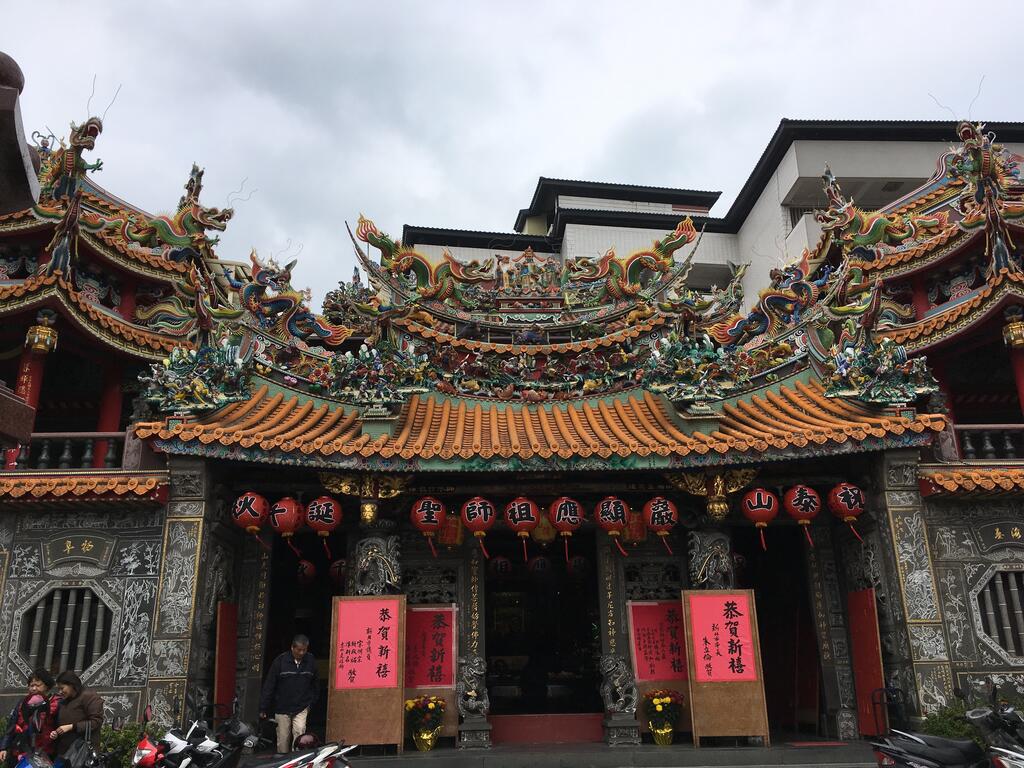
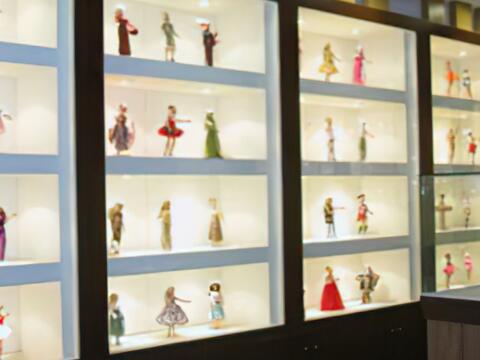
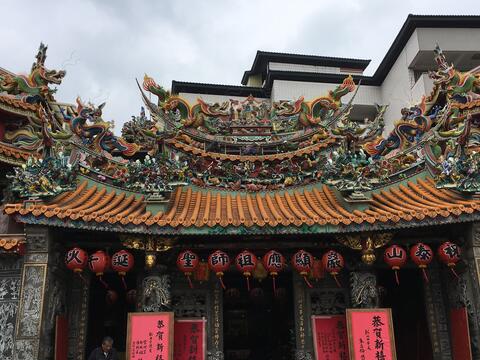
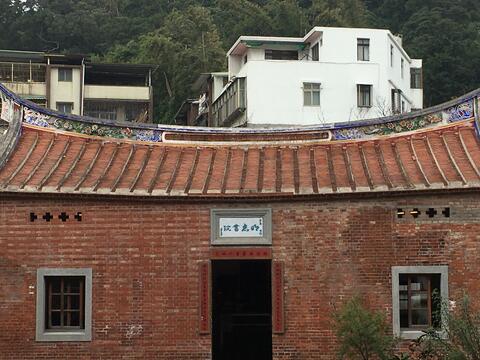
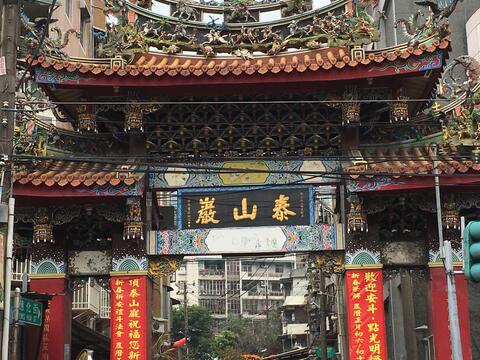
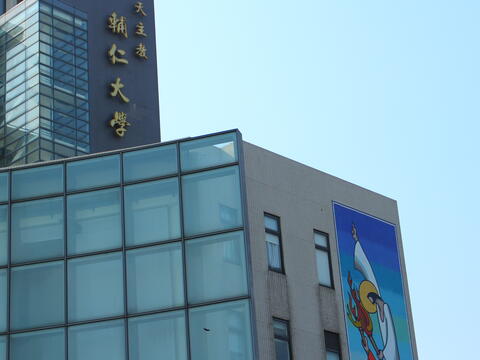
      With long blonde hair, blue eyes, slender body and extravagant dress, a Barbie doll is a common childhood memory among many Taiwanese girls. Visiting the “Taishan Doll Industry Museum” evokes many people’s memories about Barbie dolls. Featuring collections such as the earliest Meining doll clothing, military fatigue dolls, indigenous clothing, early Taiwanese clothing, Southern Fujianese clothing, concubine clothing during the Qing Dynasty and Taiwan Dadaocheng doll collection, etc., visitors are able to admire the glamour of different styles of dolls in the display window. The Taishan Down Temple nearby has a history of 130 years, but its solemness has not been diminished over time. The next stop is the Mingzhi Academy, also praised as the premier academy in northern Taiwan. The ancient academy has an archaic paper burning furnace, serving as a reminder for students to cherish knowledge, and all unused paper or books must be burnt as a sign of respect towards knowledge. Next stop is Taishan Up Temple, which is the oldest temple in the Taishan region. Designated as a class-3 national historic monument, the majestic temple is one of the must-see historic monuments in Taishan. Exquisite wood carvings, stone carvings and paintings on the interior of the temple present the beauty of traditional craftsmanship. Classic architectural masterpieces are abound in Fu Jen Catholic University, with each one featuring unique styling; there are plenty of well-known delicacies on the campus that you cannot afford to miss, such as FJCU’s own ice cream. In addition, there is also the Fuda Night Market, which is just as famous as Tainan Flowers Night Market and packed with numerous original stores and renowned gourmet delicacies that have been featured in television reports. End your memorable day right here at the night market by savoring mouthwatering snacks!
      day01
        Previous
        Hiking enjoying the beauty of tung blossoms and taking pictures A one-day tour in Tucheng and Shilin
        As the spring transits to summer in May, the hilly regions around Tucheng in New Taipei City are adorned with snowy white tung blossoms. These pristine blossoms transform the verdant hilltops into a snowy spectacle. The fragrant tung flowers gently fall from the branches in the spring breeze, creating a picturesque scene reminiscent of snowfall. After tung trees were introduced from southern China during the Japanese domination period, they were extensively planted in low-altitude mountainous areas in central and northern Taiwan. Tung trees were once important economic crops for the Hakka people and were used to produce paints, and furniture in the early days. The New Taipei City Hakka Tung Blossom Festival takes place in April and May each year. We invite everyone to hike though the mountains, and explore the nearby century-old railway station!The century-old railway station of ShulinIn this era of pursuing efficiency, people try to minimize the time it takes to get from point A to point B. As we often rush towards our destinations at high speed, we often neglect the scenery along the way. As the holidays approach, let's take a break from your usual rush and explore train stations that you have often heard about from the radio during your commute, but never had the chance to visit! Situated between Shulin and Yingge, Shanjia Railway Station was established in 1903 and is now over 120 years old. Originally named the “Sanzijiao Parking Space”, Shanjia Railway Station once bore the heavy responsibility of transporting coal. You can still find remnants of past mining around the station, such as Dafeng Coal Mine No. 1 Pit and Dafeng Coal Mine No. 2 Pit, offering a glimpse into the coal mining history of the Shulin area.Recognized as a designated historical site by New Taipei City, the second-generation Shanjia Railway Station, constructed with bricks, represents a fusion of Western and Japanese architectural styles. It preserves the classic and elegant appearance of buildings from the Japanese domination period and still stands adjacent to the third-generation Shanjia Railway Station, creating a unique juxtaposition of old and new. Shanjia Railway Station is the only remaining station built during the Japanese domination period along the Taiwan Railways Administration (hereinafter referred to as the TRA) corridor between Qidu and Hsinchu; and is a must-visit attraction for railway enthusiasts. The indoor space of the Station exhibits a replica miniature model of Shanjia Railway Station made from recycled materials, the TRA's passenger timetables from Taiwan's Early Restoration, and railway tourism brochures from the Japanese domination period, creating a nostalgic atmosphere.While strolling along Shanjia Street, which runs along the station's edge, you will come across several walls adorned with colorful murals depicting the cultural and scenic elements of Taiwan's old-time landscapes. These include scenes like farm ox carts and traditional barber shops, seamlessly blending with the nostalgia of Taiwan's past. Furthermore, you'll encounter 3D murals featuring dinosaurs, Taiwanese black bears, and other playful and incredibly realistic depictions. The Shanjia Railway Scenic Park was constructed by the local residents to revitalize the vacant land along the railway. In 2017, the local authorities even stationed a 35H1304 black coal hopper car and DL1044 shifting machine to preserve the historical memories of Shanjia.Relish the tung flowers in the mountainous area of TuchengCrossing over the Dahan River, you'll find yourself in Tucheng District on the southern bank. The slopes of Tianshangshan (Tianshan Mountain), often referred to as the first peak, are covered in full bloom tung blossoms. These blossoms grace the entire mountainous region with swathes of snowy white, forming a captivating sight when viewed from afar. It stands as one of the prime locations in New Taipei City to savor the beauty of tung blossoms. The Tung Blossom Park on the mountain is even the primary venue for the annual New Taipei City Hakka Tung Blossom Festival. To savor the beauty of tung flowers, you can drive to the Park's first and second parking lots; or hike from Chengtian Temple to the Tung Blossom Park for exercise and photography.🚌Public Transportation Guide: Take the MRT to Yongning Station, then transfer to Bus Blue 43 Extended Line (Nantianmu) or Blue 44 Extended Line. Get off at the “Trailhead” stop, where you'll find the Tung Blossom Park archway. Your mountain hike begins here.The Chengtian Temple Trail is also known as the Chaoshan Trail, Nantianmu Trail, or Master Guang Qin Trail. Chengtian Temple was established by Master Guang Qin, a renowned Buddhist monk. This trail that leads to the Temple was paved with rough stones in the 1960s. Situated within a lush forest, the Trail is adorned with more than 40 stone tablets and stone pillars inscribed with the names of Buddhas and Bodhisattvas. The sides of the trail are lush with greenery, creating a serene and tranquil ambiance. Along the trail, you can also come across devoted pilgrims offering their prayers.There are also numerous tung trees along the Chengtian Temple Trail, creating a tranquil atmosphere as you hike toward the solemn Chengtian Temple. This is also a scenic spot for savoring the beauty of mountain tung flowers from a commanding height, allowing you to enjoy picturesque views of the Greater Taipei Basin and Guanyinshan (Guanyin Mountain).The Firefly Viewing Trail between Chengtian Temple and Tung Blossom Park is approximately 600 m long. This stone-paved trail is constructed with beautiful patterned stones. As you walk along the Firefly Viewing Trail, you can enjoy the sight of butterflies dancing in the melodic sounds of flowing water and the chorus of insects and birds, creating a natural symphony. Due to the successful ecological restoration in recent years, the fireflies sparkle like stars in the night sky after dark.Over the years, Tung Blossom Park has served as the primary venue for the annual New Taipei City Hakka Tung Blossom Festival. The Park is planted with nearly a hundred tung trees. Each year, during the blooming season of the tung trees in April and May, the entire park, including the mud-covered ground, stairs, plant leaves, and wooden platforms, is blanketed with snowy white tung blossoms, making it a sacred place for enjoying tung blossoms in New Taipei City. The Tung Blossom Park is designed with an outdoor performance area and a viewing platform; a tea brewing platform for taking a rest; an observation platform that offers views of the urban area of Tucheng; and several leisure pavilions. It also features an exciting and fun suspension bridge, allowing visitors to traverse the dense forest on a rope less than 20 cm wide.Strolling along the park trail to savor the snowy beauty of tung blossoms, gazing into the distance to witness their graceful descent from treetops, collecting fallen tung blossom petals to create meaningful words or hearts, and capturing a selfie with tung blossoms in hand - all of these experiences offer a temporary escape from the hustle and bustle, allowing you to immerse yourself in the tranquil early summer forest scenery.
        Next
        An intellectual journey to Tamsui with your children: Cultural heritage and girls’ education
        The picturesque Tamsui was once Northern Taiwan’s window connecting to the world in the latter half of the 19th century. The thriving international trade contributed to Tamsui’s golden years; and, through merchants and missionaries, western goods and ideas also arrived in Tamsui and entered Taiwan. The first girls’ school, first Western-style hospital, and first golf course in Taiwan were all established in Tamsui, each of which subsequently transformed the entire landscape of Taiwanese society.Come to Tamsui with your children on the weekend to Visit the Tamsui Historical Museum of Douglas Lapraik & Co., and learn about Tamsui’s cultural heritage through interactive games. Visit places like “The House of Maidens”, “The House of Reverends”, and “Mackay Memorial Museum”. Then discuss with your children the impact of the opening of Tamsui Port on Taiwan. Take a leisurely stroll through the FAB Green Village, explore the whimsical public art of the Danhai Light Rail , and immerse yourself in the artistic atmosphere of modern Tamsui.In 1860, after Taiwan’s ports were opened for international trade, Tamsui quickly emerged as Northern Taiwan’s most international commercial port, and attracted numerous foreign firms to establish an office in Tamsui. The Douglas Lapraik & Co. located at the end of Tamsui Old Street, together with Tait, Ckiangsu, Elles, and Dent, were the top five foreign firms in Tamsui. Apart from its engagement in international trade, Douglas Lapraik & Co. was a giant in Taiwan’s shipping industry at the end of the 19th century. With its control of this island’s external trade, it has facilitated the prosperous development of Tamsui after the opening of Tamsui port.Featuring historical significance, this foreign firm’s architecture is an ideal place for showcasing Tamsui’s prosperous past. After a year of preparation, the permanent exhibition of the “Tamsui Historical Museum” is launched within Douglas Lapraik & Co. The exhibition features a collection of 12 cultural heritage sites in Tamsui, including Fort San Domingo, the Former Site of the Tamsui Customs Officer’s Residence, Tamsui Customs Wharf, the Former Residence of Tamsui Township Head Tada Eikichi, Hobe Fort, the Tamsui Police Chief’s Residence, Douglas Lapraik & Co., Shih’s Old Residence (in Qizaiding of Tamsui), Cheng’s Old Residence (by Gonsitian River), Japanese Trader Nakano’s Residence, the Former Residence of Kinoshita Seigai, and the Former Tamsui Elementary School Hall. These sites represent significant architectural and historical landmarks.The Tamsui Historical Museum has categorized the exhibited cultural heritage into four main types: political, military, commercial, and educational. Each category is transformed into interactive games that incorporate their respective historical narratives. Through playful and engaging interactions, children can effortlessly gain insight into interesting facts about Tamsui’s historic sites and embark on a journey of imagination to visualize the bygone charm of Tamsui.After ascending the sloping path of Zhenli Street, entering the campus of Aletheia University, and passing through the Finance and Economics Building, you will come across two century-old red-brick buildings that appear even more elegant framed by the surrounding green trees. In front of these buildings is a lush garden, while just beyond, you can glimpse the Tamsui River and Guanyinshan. These two similar-style colonnaded Western-style buildings are “The House of Maidens” and “The House of Reverends”, which were built in 1906 and 1909 respectively.These two buildings, constructed from bricks and Chinese firs imported from Xiamen, were personally designed and supervised by Reverend William Gauld. The House of Maidens was originally gifted to Miss Jane Kinney, the principal of Taiwan’s first girls’ school, Tamsui Girls’ School, and Miss Hannah Connell, the principal of Women’s School, as their residence. It holds significant historical value as a witness to the development of contemporary girls’ education in Taiwan. Today, it serves as the Office of the President at Aletheia University. The House of Reverends, on the other hand, served as the residence of Reverend William Gauld. Its music hall is widely known for its appearance in the movie “Secret”.The white building next to “The House of Maidens” and “The House of Reverends” is the Mackay Memorial Museum, also known as the Dr. Mackay’s former residence. Constructed in 1875, this building was personally designed by Dr. Mackay, and its Spanish-style architecture is well-suited for the humid and rainy climate of northern Taiwan. Dr. Mackay lived here with his Taiwanese wife, Chang Tsung-ming, and his children until he passed away in 1901 due to an illness.In 1872, Dr. Mackay took Douglas Lapraik & Co’s flagship “Sea Dragon” from Kaohsiung to Tamsui, where he embarked on his decades-long missions of preaching, teaching, and providing medical services in Taiwan. Dr. Mackay also nurtured many talents in Taiwan’s religious, educational, and medical circles. Moreover, recognizing the social bias against women in Taiwan, he pioneered women’s education in Taiwan by founding Tamsui Girls’ School. Dr. Mackay’s wife, Chang Tsung-ming, was also a teacher at Tamsui Girls’ School and was fluent in English. Both of them are important figures in the history of women’s education in Taiwan.👉Visiting the interior exhibitions of the Mackay Memorial Museum requires prior arrangement. Please contact the Tamsui Oxford Archives of Aletheia University at (02-2621-2121).Chang Tsung-ming once accompanied Dr. Mackay on a trip back to his homeland, Canada, at the end of 1879. During the journey, they passed through Xiamen, Hong Kong, Singapore, India, and the Middle East. They visited the pyramids in Egypt, went to Jerusalem to see the Western Wall, and, through Alexandria, proceeded to Italy to visit the ruins of Pompeii, Rome, and the Vatican. They then traveled through France and the UK to reach Canada, where they completed missionary work and fundraising activities. Afterward, they returned to Taiwan via the United States and Japan. This journey made Chang Tsung-ming the first Taiwanese woman to complete a trip around the world.Stroll along the wooden boardwalk by the Tamsui River and, shortly after passing Fort San Domingo, you’ll find the snow-white FAB Green Village on your right. This geometrically symmetrical architecture that echoes Tamsui’s arched western style building designs has attracted numerous visitors for sightseeing and photography. The FAB Green Village combines a renowned European hotel, shopping plaza, movie theater, and garden plaza. After enjoying a meal in the shopping plaza, you can visit the rooftop garden on the third floor to sit on the vast lawn with your children, gaze into the distance at Bali’s left bank and Guanyinshan, and relish the captivating Tamsui sunset.Take a bus to the Danhai Light Rail Tamsui Fisherman’s Wharf Station and step into the Danhai Light Rail system filled with elements from Jimmy Liao’s picture books. Let the heartwarming characters from Jimmy’s picture books accompany you on the light rail. Just like the characters do in “Sometimes, Sometimes”, close your eyes and the light blue light rail train is about to start your journey to dreamland and cozy home.
        Read more