Quaint nostalgia – Sanchong one day tour

Anchor point
Quaint nostalgia – Sanchong one day tour
Category :
MRT Travel
Travel days :
1 day

推薦路線

Day

Introduction

Anchor point
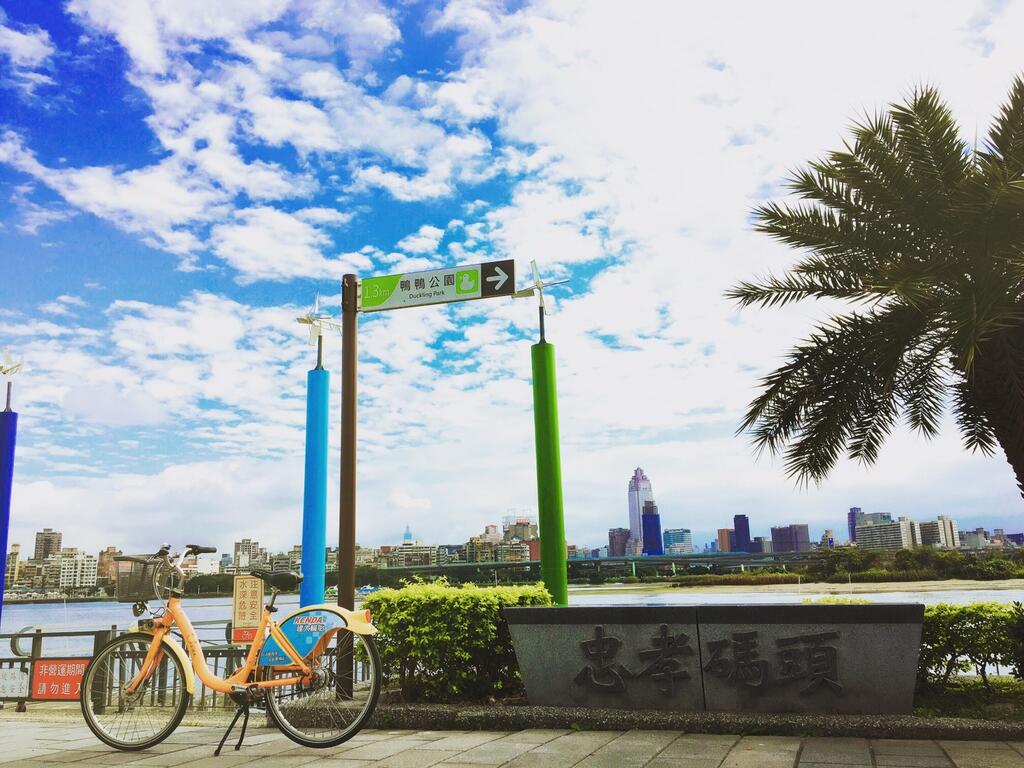
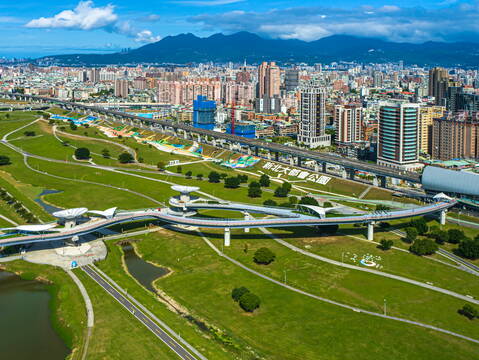
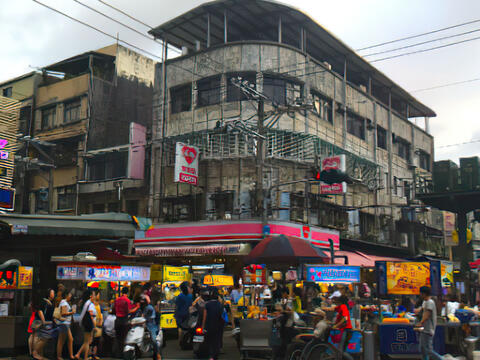
Sanchong is rich in historic monuments. Besides the Yunye Meat Curd Concept Store, a food factory which has undergone renovation and is now open to the public as a tourist factory, visitors can also find numerous longstanding temples in the area. For instance, Xiangong Temple (also called Taipu Temple) is extremely popular among local pilgrims. Xianse Temple is the oldest temple in Sanchong; also known as “Wuguwang Temple”, it is a municipal historic monument in Erchongpu in Sanchong Dist., New Taipei City. In here, every minute detail of each building has a story to tell. After admiring historic monuments, visitors can take a stroll to Taipei Metropolitan Park to enjoy the light breeze by the riverside; this is a wonderful location for family picnics, gathering of friends, exercising. Senior citizens also come to the luxuriant park to relax, chat and take a stroll. At dusk, people can go to Zhongxiao Wharf to admire the stunning beauty of the setting sun. For supper, they can savor delicacies at Sanhe Night Market to experience the hospitality of the Taiwanese night market.
day01
Previous
Shenkeng Old Street
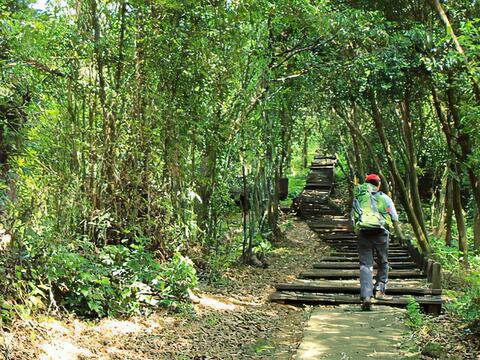
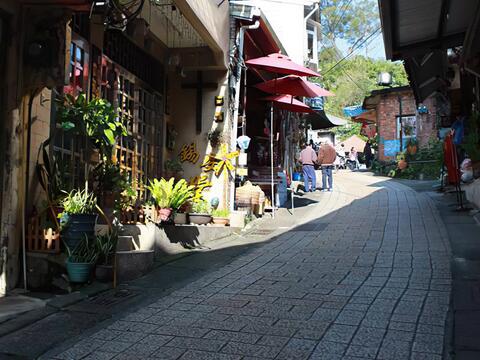
In the past, Shenkeng was known as Zanying, in reference to the crest worn by officials. Shenkeng was once the political and economic center of Wenshan District (today’s New Taipei Districts of Shenkeng, Shiding, Pinglin, Xindian and Wulai, and the Wenshan District in Taipei City), and has been an important location in between Taipei and Yilan since ancient times. Not only was it a key route along the South Damlan Road, but it has also become the most important waterway shipping center in Southern Taipei due to the convenient waterway transportation of Jingmei Creek. Wenshan Tea, which is brought from Shenkeng via Jingmei Creek and Xindian Creek to Dadaocheng along the Tamsui river, is sold all over the world. Most notably the end of the Qing Dynasty to the beginning of the Japanese rule in Taiwan was the golden period for Shenkeng tea.Shenkeng has many different bus routes to and from Taipei’s downtown area, making for convenient traffic. Because of this, during the holidays, it attracts many tourists. The large kabocha tree at the entrance of the old street is the welcoming tree of Shenkeng, and on the street behind it is the century-old Tingzai Foot house. Because of Shenkeng’s clear water and its special salt braising method, the charcoal taste of Shenkeng-made tofu has attracted many gourmands and has become known as the “hometown of tofu”, which in turn re-invigorated the Old Street. The Old Street is home to various tofu-based dishes, such as fried stinky tofu, stinky tofu skewers, charcoal-grilled tofu ice cream, sesame tofu ice cream, milky tofu pudding and much more. The local tofu menu is full of dishes that will satisfy all who visit.In addition to its famous tofu, Shenkeng’s specialties include Wenshan Baozhong tea, green bamboo shoots, and black pork, which together with the tofu are known as the “Four Jewels of Shenkeng” and should not be missed. Additionally, the architecture in Shenkeng is also very interesting, and includes the magnificent baroque red-brick De Xing Building, and the Anxi-style three-in-one residence, the Eternal Peace Building, both of which are masterpieces of Taiwanese architecture.After trying the four jewels of Shenkeng, you can walk onto the Paozilun Trail and enjoy the purity of the mountains and see the water from which residents make their delicious tofu. The Paozilun Trail is one of the trails of New Taipei’s Smiling Mountain Line, and is a popular hiking trail in Shenkeng which connects the Shenkeng Paozilun area with the Caonan area in Taipei’s Muzha District. On the trail, you can find several ancient clay and stone alleyways, and the rustic scenery of paddy fields and tea plantations makes people forget the city noise. Then, when they get to the top, they can enjoy the view, looking out on Muzha District, the Maokong gondola, and Taipei 101.In addition to the hiking trails, Shenkeng’s lust mountains and forests, with streams of all sizes are a place of natural beauty. Among them, one of the most famous is the Paozilun Waterfall; when the water flows heavily, it streams down in four columns, which earned it the name “Four Dragons Waterfall.” The pavilion next to the waterfall is decorated with tables and chairs, where people can make tea and enjoy the waterfall, similar to what the merchants of Shenkeng did a hundred years ago.
Next
Water Source Tea Fragrance・Pinglin Low-Carbon Journey
As global carbon reduction gains momentum, the tourism industry works to lower emissions across all tour elements. From choosing meeting points and transportation methods, to incorporating environmental education and selecting eco-friendly restaurants, professional institutions now calculate carbon footprints using international standards. Unavoidable emissions are offset through purchasing Verified Carbon Standard (VCS) certified carbon credits, achieving genuine low-carbon tourism.Pinglin, renowned for producing Paochung tea, pioneered Taiwan's low-carbon tourism movement. Starting from Pinglin Suspension Bridge, the route follows Beishi River to the Taipei Water Management Branch Environmental Education Center to discover wastewater purification processes. At midday, visitors enjoy creative cuisine featuring local tea at Just Pinglin eco-restaurant on Pinglin Old Street. The afternoon continues at Xinfeng Tea plantation in Pinglin's hills, where young farmers share their lives devoted to tea.The journey begins at Pinglin Suspension Bridge. Spanning approximately 60 meters across Beishi River, this bridge connects fish-watching trails on both riverbanks. Led by a guide, visitors observe Taiwan shovel-jaw carp (a.k.a. "underwater fireflies"), and the river's rich aquatic ecosystem. The Beishi River watershed falls within the Taipei Water Conservatiopn Area. Policies such as river closure for fish protection and sediment barrier installations are implemented to safeguard water resources for the Taipei-New Taipei metropolitan area and extend Feitsui Reservoir's lifespan.At the fish-watching trail's end, behind flood walls stands Pinglin Wastewater Treatment Plant—one of two major treatment plants under the Taipei Water Management Branch and an environmental education venue. Designated in 1984, the Taipei Water Conservation Area spans five districts: Wulai, Shuangxi, Pinglin, Xindian, and Shiding. It’s Taiwan's only protected zone established in accordance with the Urban Planning Act, with merely 1% being low-density residential areas.Inside the Environmental Education Learning Center, visitors gain insight into Taiwan's water resource management and observe the treatment plant's three-stage process—physical, biological, and chemical purification that ensures discharge quality. Visitors collect water samples themselves, comparing influent and effluent quality for an intuitive understanding of purification's importance.At noon, visit Just Pinglin eco-restaurant at the entrance to Pinglin Old Street. Inside this stone-slab heritage building, savor dishes crafted with local tea—black tea braised pork rice, salmon ochazuke, and various tea snacks. A young man from Beigang and a young lady from Guanziling chose to settle in Pinglin, New Taipei, conveying the town's atmosphere and energy to travelers through cuisine, fine tea, curated items, and exhibitions.After enjoying refined tea cuisine, explore Pinglin Old Street with a guide. Stretching approximately 200 meters, the old street features teapot installation art and uniform green signage. Paper shops, tofu stalls, grocery stores, and tea merchants line the way. Street vendors use Pinglin's famous Paochung tea to create innovative treats—tea cakes, tea steamed buns, tea nougat, and camellia oil thin noodles."UChung," established by local young tea farmers, offers a modern compound tea space on the old street, selling tea snacks, tea gift items, and tea celebration wine developed exclusively by Pinglin tea farmers. This bright space hosts tea ceremony experiences from time to time, promoting tea culture in ways that resonate with younger generations. At a corner of the old street, Pinglin Tea Cultural Museum, operated by the Pinglin Farmers' Association, visitors will learn about tea and camellia oil culture while exploring Pinglin's tea history and other industrial features. Stone heritage buildings constructed with herringbone and T-shaped patterns offer another visual highlight along the street.Afternoon brings a journey to Pinglin's hills. Near Xiangong Temple, famous for sunrises and seas of clouds, sixth-generation young tea farmer Zhan Chengde of Xinfeng Tea guides visitors through verdant tea plantations to pick one bud with two leaves, then hand-craft and taste their own tea.Xinfeng Tea is known for its "friend tea," aimed to convey warmth and authenticity. After picking tea leaves, participants personally stir-fry and knead them under the farmer's guidance to create their own green tea! Through the journey from a plantation to a cup, savor Pinglin tea town's distinctive flavor.The "Water Source Tea Fragrance・Pinglin Low-Carbon Journey" meets the Ministry of Environment's "Green Tourism" standards and appears on the "Green Lifestyle" information platform. Carbon footprint calculations show this tour produces 11.5 kg CO2e per person, reducing emissions by 5.6 kilograms compared to typical self-driving tourism.
Read more